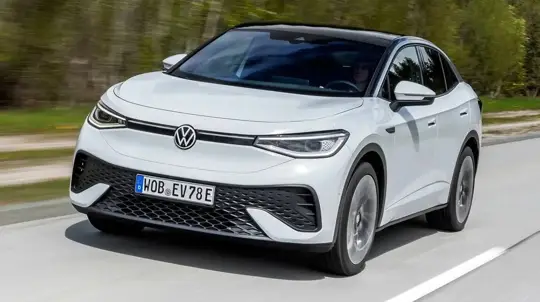
Chinese electric vehicles now make up 35% of South Korea's import market
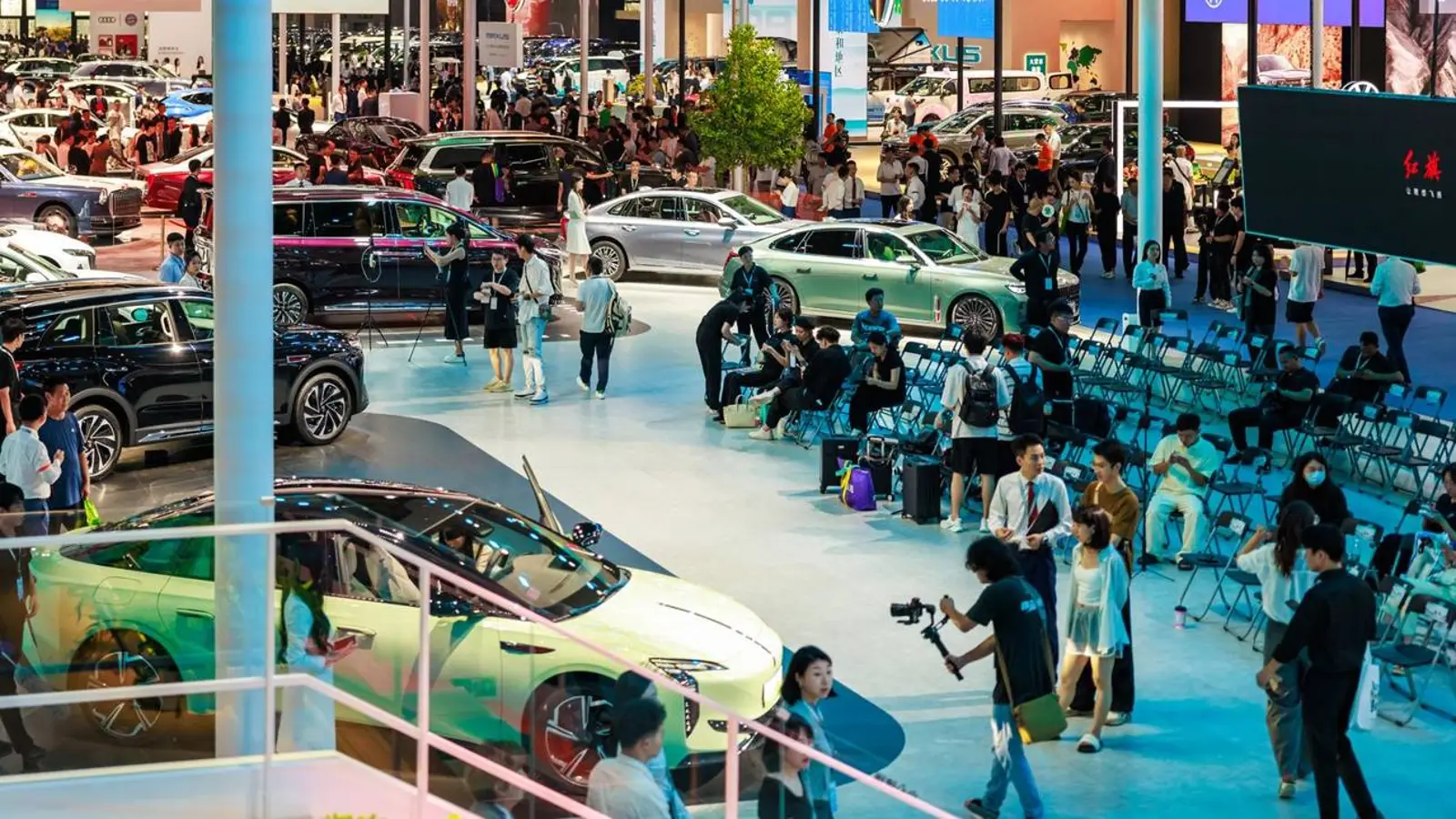 © B. Naumkin
Chinese-made EVs, led by BYD and Tesla from Shanghai, account for 35% of new registrations in South Korea's import market, driven by affordability and buyer trust in EV-focused brands.
Author: Nikita Novikov
The South Korean imported car market is undergoing a rapid transformation. Chinese-made electric vehicles now account for about 35% of all new registrations—a figure that didn't exceed 1% back in 2021. This growth is driven not only by aggressive pricing but also by a shift in how buyers perceive a vehicle's origin.
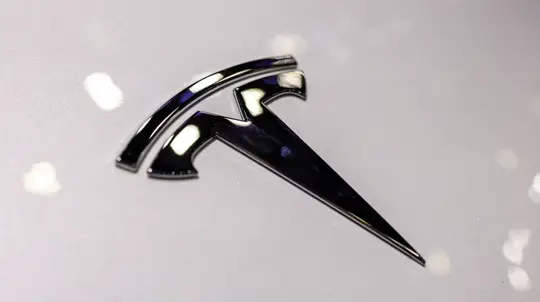
The Tesla Model Y and Model 3, produced at the Shanghai Gigafactory, have become key drivers in this segment. The company actively promotes more affordable versions, maintaining steady demand despite intense competition.
However, the main catalyst for this shift has been BYD's expansion. In its first full year in Korea, the brand sold 6,107 electric vehicles. In January alone, BYD moved 1,347 units—more than Volvo, Audi, or Toyota. Only Lexus remained ahead, but that gap is closing quickly thanks to new models.
BYD's success is largely due to the Atto 3 and Sealion 7, along with the new Dolphin hatchback, which starts at 24.5 million won before subsidies. With a range of 354 km and a record-low price, this model is a strong contender in the mass market.
Analysts point out that affordability isn't the only factor. In the emerging EV segment, Korean buyers increasingly trust brands that are fully dedicated to electric vehicles. Specialized focus and technological identity have become more important than the "traditional" status of European automakers.
The result is clear: South Korea's import market is increasingly dominated by those offering the most efficient and competitive EVs, regardless of where they come from.
This English edition was prepared using AI translation under editorial oversight by SpeedMe. The original reporting is by Nikita Novikov
Latest Stories