9 most problematic car models from the early 2000s
 © volkswagen-newsroom.com
Discover the top 9 most unreliable car models from the early 2000s, including issues like CVT failures, engine problems, and costly repairs that plagued owners.
Author: Polina Kotikova
Buying a car in the early 2000s often felt like playing the lottery, where success depended purely on luck. Many models from that era proved highly unreliable, revealing serious flaws almost immediately after purchase. As a result, owners faced numerous technical issues that eroded trust in manufacturers. Below is the top 9 most problematic models from that time.
No. 9: Nissan Rogue
The key issue with this model was its continuously variable transmission (CVT), which could fail before reaching 20,000 miles. Owners reported complete vehicle shutdowns while driving, leaving them stranded even before reaching the nearest service station.
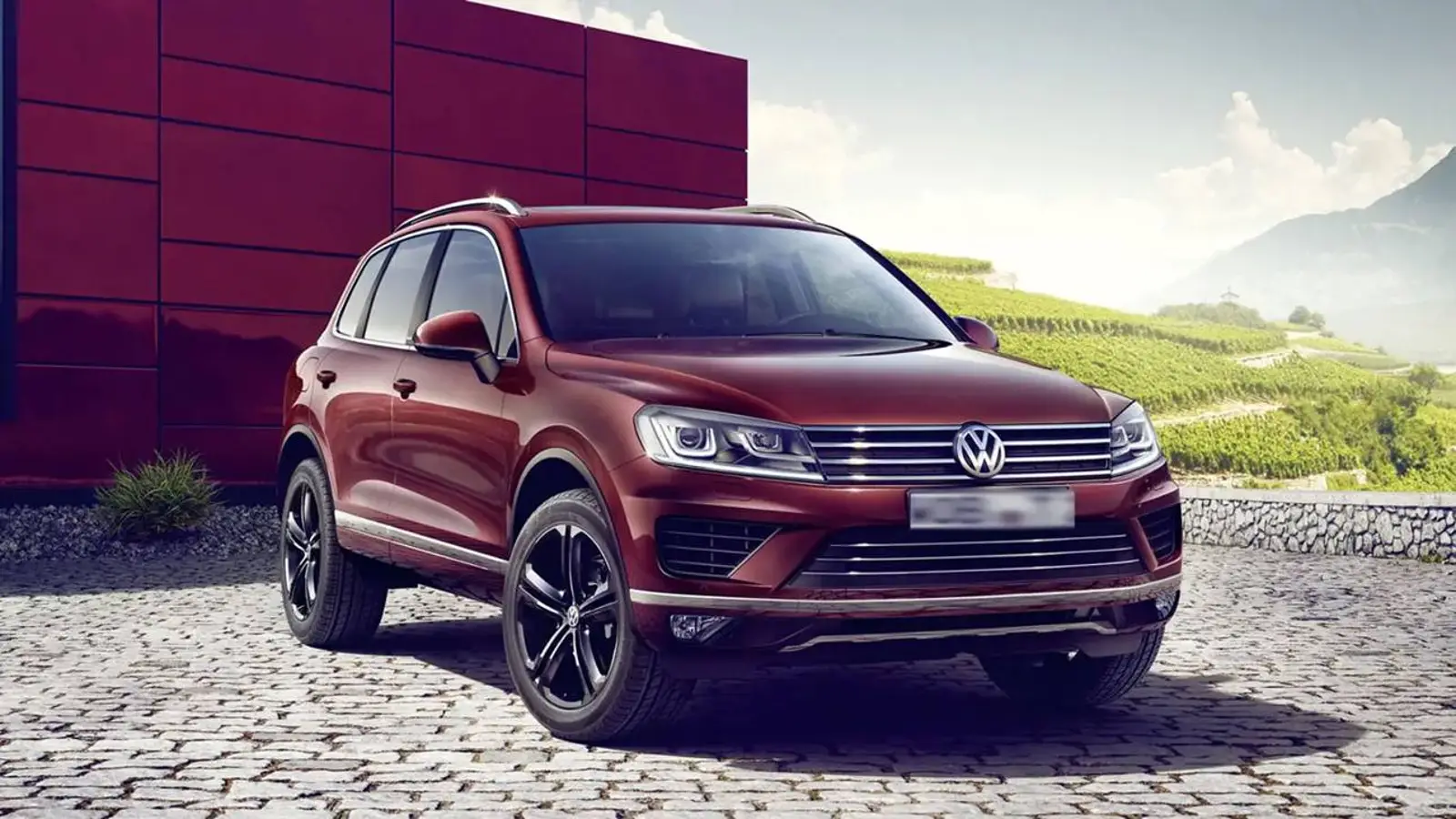
No. 8: Volkswagen Touareg
The most common defect in early-generation models was the failure of the air suspension. This component required such frequent replacement that it became as costly as printer cartridges. Additional headaches came from timing chain problems that disrupted engine operation, along with persistent coolant leaks.
No. 7: Chrysler Sebring
The 2.7-liter engine was prone to heavy carbon buildup in the combustion chambers. Delaying oil changes inevitably led to significant engine damage, often requiring expensive overhauls.
No. 6: Pontiac Aztec
Frequent service visits were typically due to systematic engine overheating and regular head gasket failures. These issues substantially increased the operational costs of keeping the vehicle running.
No. 5: Dodge Neon
Beyond weak chassis and suspension components, this model featured a complex sealing unit between the cylinder block and head that was prone to rapid failure, leading to costly repairs.
No. 4: Cadillac DeVille
Problems with this generation included chronic valve cover seal and head gasket defects, which caused premature engine failures due to insufficient cooling. Such issues consistently drove up owner repair costs.
No. 3: Hummer H2
Engineers' disregard for drivability, combined with excessive body weight and intermittent brake system malfunctions, made operating this vehicle a serious challenge.
No. 2: Dodge Neon SRT4
Despite the sporty modification's attractive appearance, real-world use revealed numerous shortcomings. The primary issue was the low reliability of the timing belt, which needed replacement every few thousand kilometers. The clutch also wore out quickly, forcing owners to repeatedly incur significant expenses.
No. 1: Ford Focus
Early releases of this model were prone to multiple defects, including regular ignition failures, steering system malfunctions, and fuel delivery issues. Experts noted that every drive became a potential emergency situation.
This English edition was prepared using AI translation under editorial oversight by SpeedMe. The original reporting is by Polina Kotikova
Latest Stories