GM's holographic interface could replace car controls
 © uspto.gov
GM has patented a holographic user interface that uses gestures and voice to control vehicles, potentially replacing physical buttons and pedals in autonomous cars.
Author: Nikita Novikov
GM has filed a patent for a system that could transform how we interact with vehicles. This innovation centers on a holographic user interface (HUI), designed to replace physical buttons, controls, and even traditional pedals and steering wheels—especially in autonomous or semi-autonomous vehicles.
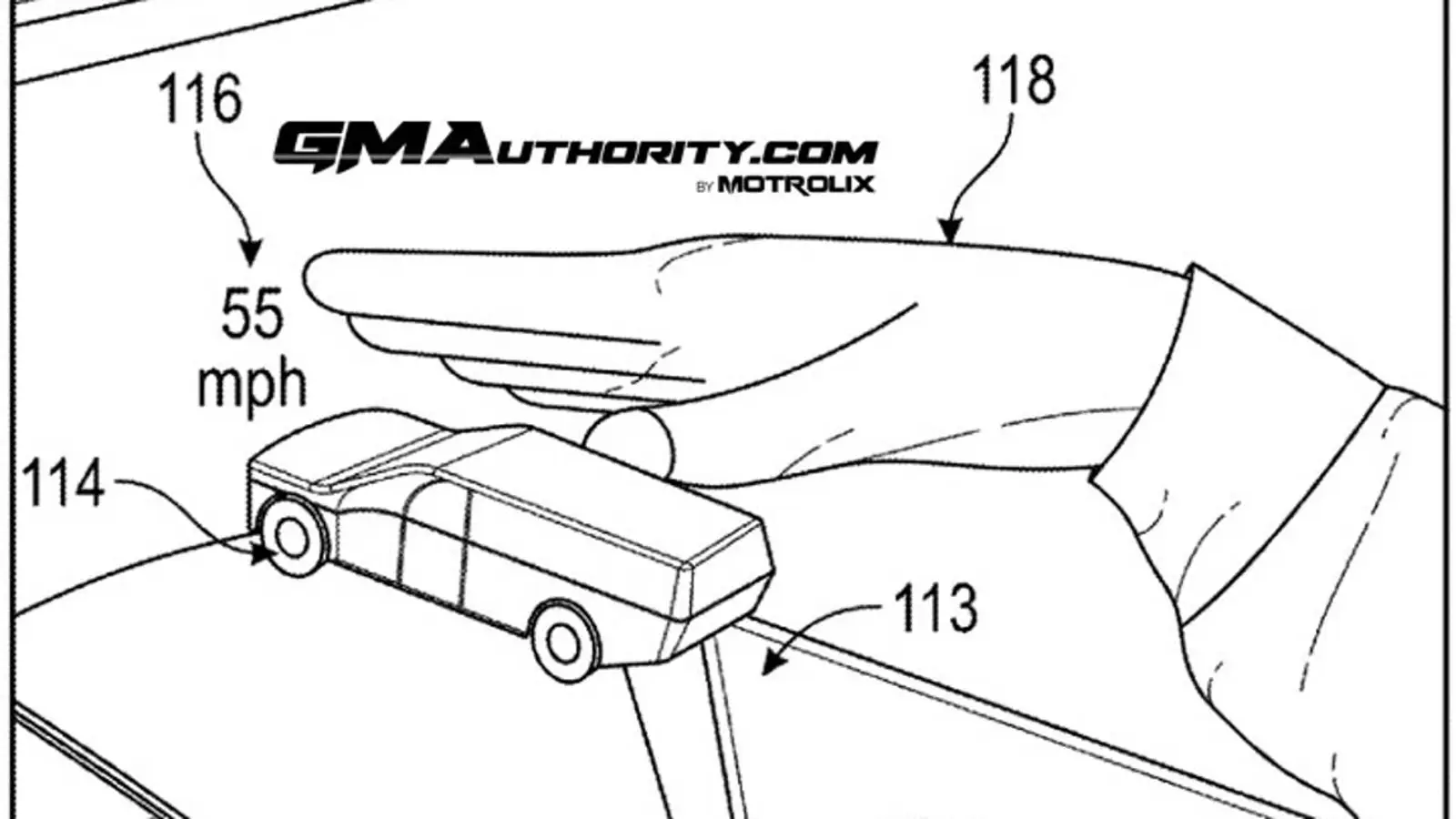
The system includes a holographic projector, a computing unit, and a sensor suite with cameras, microphones, and potentially LiDAR. When a passenger or driver makes a voice or gesture request, it activates a 3D projection inside the cabin. This might show a virtual model of the car or specific features like climate control, multimedia, or seat adjustments.
Interaction relies on gestures, such as moving a hand forward, backward, or sideways. Cameras track the trajectory, speed, and direction, while the processor interprets the action. For instance, pushing the holographic model forward could increase speed, and swiping sideways might initiate a lane change.
Before executing a command, an algorithm runs a safety check. If a maneuver isn't possible, the system will deny it and notify the user visually or even tactilely using directed air impulses.
GM believes this interface will allow flexible adaptation to different autonomy levels, removing clutter in the cabin and making interactions intuitive and contactless. The patent hints that future GM vehicles might abandon traditional controls in favor of three-dimensional commands.
This English edition was prepared using AI translation under editorial oversight by SpeedMe. The original reporting is by Nikita Novikov
Latest Stories