Dacia Hipster compact electric vehicle launch details
 © dacia.md
Learn about the Dacia Hipster, a new affordable electric urban car with a minimalist design, 180 km range, and price under €15,000, expected by end of 2027.
Author: Nikita Novikov
Dacia is entering a period of intensive updates, with the Spring preparing for a generational change while the brand simultaneously launches a new project called Hipster. According to Auto Infos, this compact electric vehicle will continue the strategy of affordable urban models. The Spring will move to the Renault Twingo platform and be assembled in Slovakia, while the Hipster will occupy the lower end of the lineup, remaining on the production line in China.
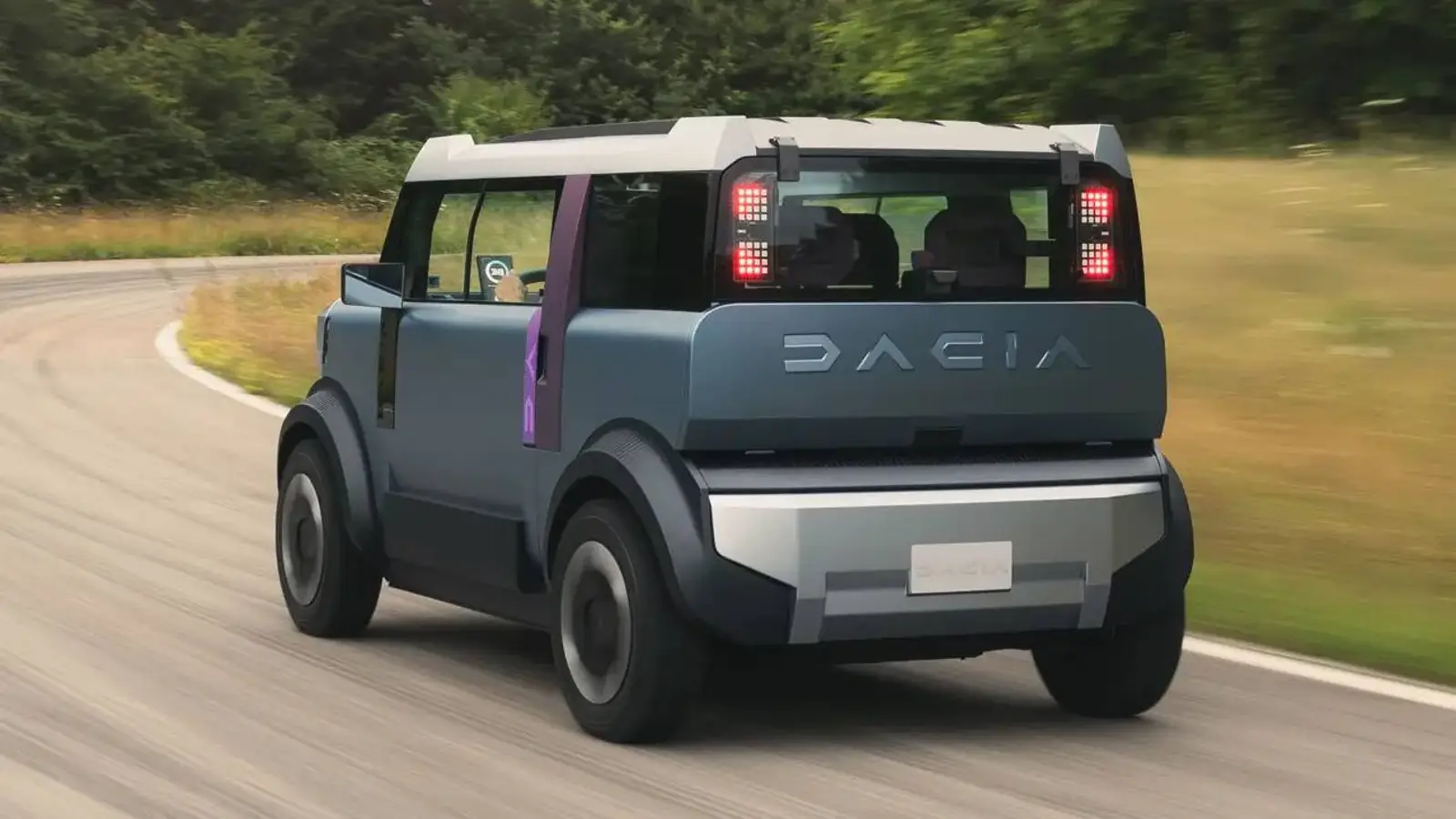
The Hipster concept, unveiled in 2025, caught attention with its unusual design: minimalism, a three-door architecture, wheels positioned at the corners of the body, and a four-seat cabin without a central screen—control is transferred to a smartphone. With dimensions under 3 meters, it sits between the Citroën Ami and segment A city hatchbacks. The expected range is around 180 km, which is sufficient for daily commutes and car-sharing.
The main reason for keeping production in China is economic efficiency. The project will be implemented through eGT New Energy Automotive, a joint venture created by Renault, Nissan, and Dongfeng. This facility previously produced the Spring, and its experience allows for a development cycle reduced to 18 months. The brand's new CEO, Catherine Adt, stated directly that the Hipster could be ready for launch by the end of 2027.
Moreover, the model will avoid European tariffs on Chinese electric vehicles because it is classified as a quadricycle. This helps keep the price below €15,000—a key selling point for customers seeking simple, lightweight, and affordable urban transport.
For Dacia, the Hipster marks an entry into a new segment: positioned between vehicles that don't require a license and full-fledged city EVs. With minimal equipment, an extremely rational design, and low cost, it becomes a logical heir to the brand's philosophy, which is returning to its roots of simplicity and accessibility.
This English edition was prepared using AI translation under editorial oversight by SpeedMe. The original reporting is by Nikita Novikov
Latest Stories