
How cell-to-body battery technology is changing electric vehicle design
 © newsroom.porsche.com
Explore how cell-to-body battery integration in EVs reduces weight, lowers center of gravity, and enables diverse body styles like sedans and coupes.
Author: Yulia Ivanchik
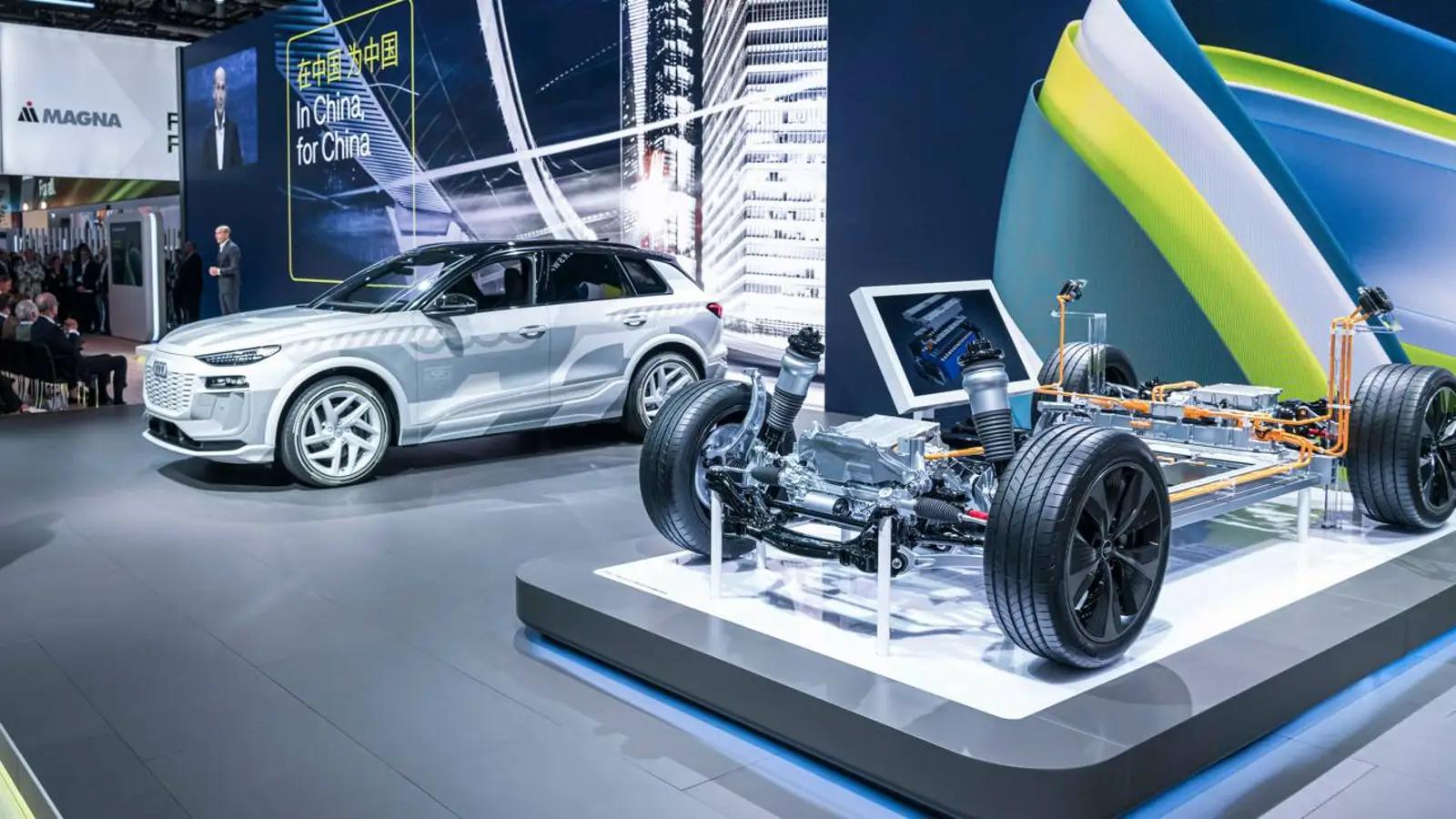
A new trend is emerging in the electric vehicle segment, driven by changes in battery and platform design. Manufacturers are adopting architectures where battery cells become part of the body's structural frame—a technology known as cell-to-body.
Previously, battery modules were placed on top of the chassis, which raised the floor height and forced the body to be elevated. This contributed to the growing popularity of electric crossovers and SUVs, as this layout more easily accommodated the extra battery thickness.
New platforms, including Volkswagen's PPE, Geely's SPA3, and the APP for the Renault 5 Turbo 3E and the future Alpine A110 EV, allow for a different integration of cells. The battery becomes part of the rigid structure, increasing body stiffness and reducing weight. Moreover, it enables placing elements ahead of the front axle or behind the front seats, helping to lower the overall center of gravity and decrease the vehicle's height.
BYD already uses this technology in its Blade Battery system. These engineering solutions pave the way for a return to lower body styles—such as coupes, sedans, and wagons—instead of exclusively tall SUVs.
Overall, this means that new cars in 2026 could offer greater diversity in form factors without compromising stiffness and energy efficiency. The technological approach resembles solutions from 1960s Formula 1, where the engine became part of the race car's structural frame to reduce weight and increase rigidity.
This English edition was prepared using AI translation under editorial oversight by SpeedMe. The original reporting is by Yulia Ivanchik
Latest Stories