GM's fuel economy lags behind rivals in latest EPA automotive trends
 © A. Krivonosov
EPA report shows GM has second-worst average fuel consumption at 10.3 liters per 100 km, trailing only Stellantis. Learn how it compares to Honda, Hyundai, and Toyota.
Author: Polina Kotikova
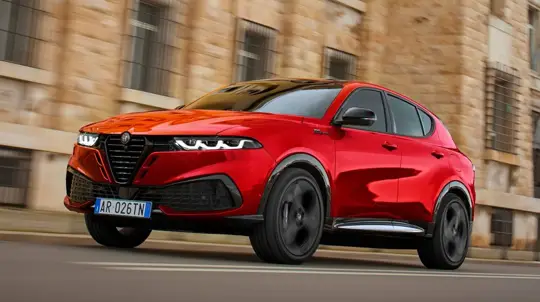
The EPA has released its latest Automotive Trends Report, which journalists at SPEEDME have reviewed. According to the data, General Motors ranks among the worst U.S. automakers for average real-world fuel consumption. GM's fleet for the 2024 model year posted an average fuel economy of 10.3 liters per 100 kilometers—the second-worst result, trailing Stellantis by just 0.05 liters per 100 km. This stands in stark contrast to the market average of 8.6 liters per 100 km and the performance of rivals: Honda achieved 7.6 liters per 100 km, Hyundai 7.9, and Toyota 8.1.
Although GM technically improved its figure by 0.25 liters per 100 km compared to 2023, the gain was minimal. The report underscores that without electric models, the picture would look even weaker: excluding BEVs and PHEVs reveals the modest efficiency of GM's internal combustion engines. For context, Tesla, with its fully electric fleet, posts 2.0 liters per 100 km.
The EPA notes that over five years, the market as a whole has improved fuel economy from 9.4 to 8.6 liters per 100 km. The most significant progress came from Toyota (+0.9 liters per 100 km), BMW (+0.8), and Mercedes-Benz (+1.0). GM is moving forward, but its pace remains sluggish, a trend attributed to its high share of large SUVs and pickups—like the Tahoe and Suburban—which are traditionally fuel-thirsty.
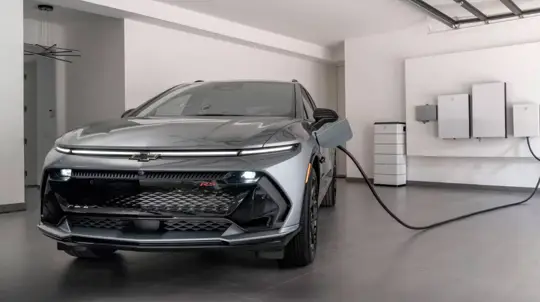
Expanding GM's electric vehicle lineup in the 2025 model year might slightly boost its numbers, but the EPA points out that structural shifts in the economy demand more hybrids and more efficient internal combustion engines. The next report will be telling: it will show whether GM can close the gap with competitors or remain on par with Stellantis.
This English edition was prepared using AI translation under editorial oversight by SpeedMe. The original reporting is by Polina Kotikova
Latest Stories