How Middle East conflict affects Chinese auto exports and logistics
 © B. Naumkin
Middle East conflict threatens Chinese auto exports via UAE, raising costs and causing delays. Learn about impacts on logistics, EVs, and global markets.
Author: Polina Kotikova
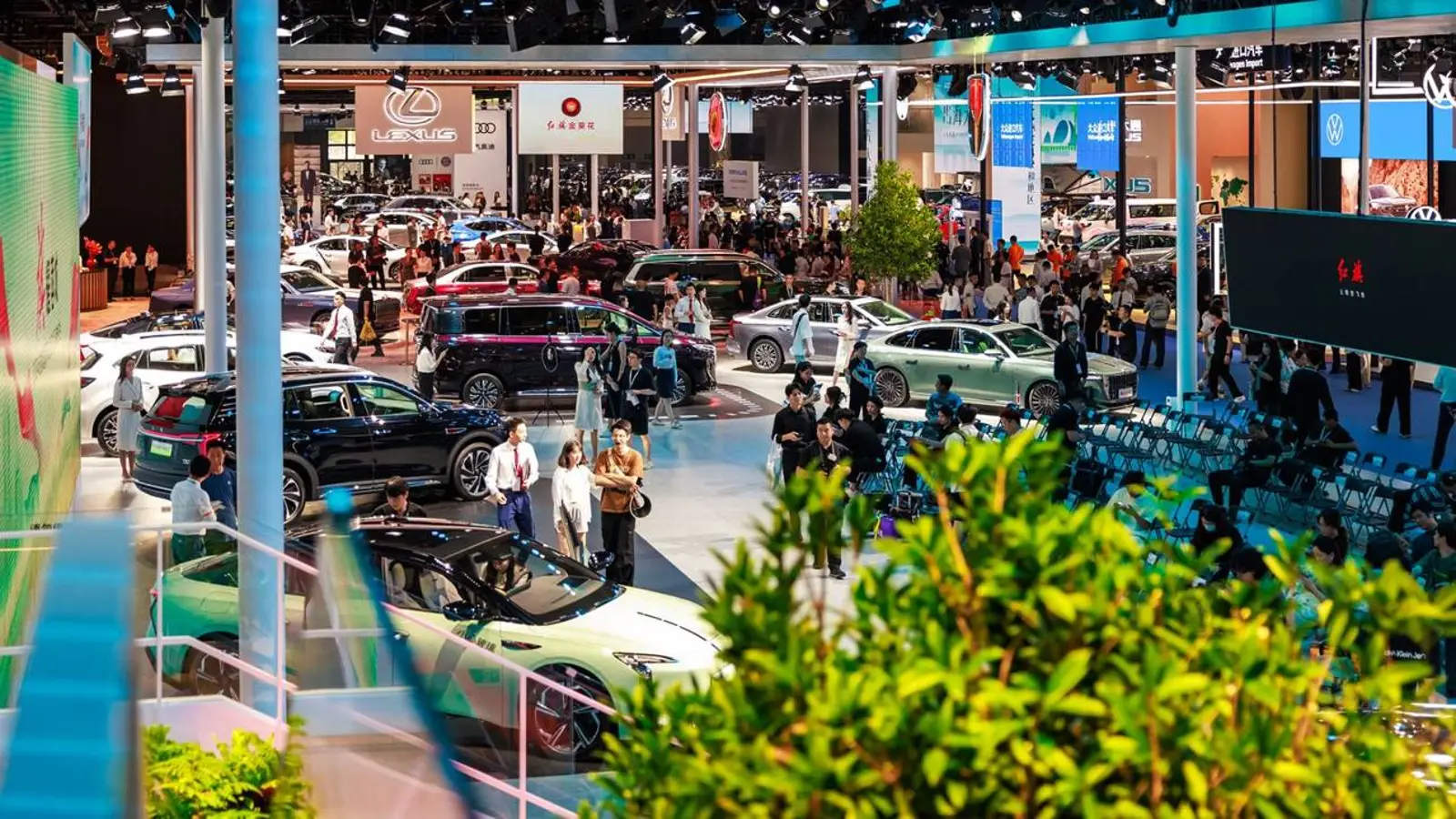
The Middle East conflict is starting to directly impact Chinese auto exports. China shipped around 600,000 vehicles to the UAE in 2025, making it the country's third-largest export destination. However, current instability is threatening this strategic logistics chain.
Dubai has long served as a key distribution hub for Chinese brands. Through the UAE, cars were routed to Iran, Africa, and Europe. Now, the security of this route is in doubt.
The situation is complicated by tensions around the Strait of Hormuz. Shipping costs have risen, insurance premiums are up, and delivery times have increased. Some suppliers have already suspended operations in Iran.
For Europe, this means potential delays in new vehicle shipments and higher costs. Many Chinese brands, which are actively expanding in the EU market, rely on globally optimized logistics. Disrupting one node creates a domino effect.
An additional factor is rising oil prices, which increase transportation expenses and could shift demand toward electric vehicles.
If the conflict drags on, Chinese automakers will need to diversify supply routes—for example, by using Mediterranean ports more actively or land corridors through Central Asia and Turkey. This will raise costs and could reduce Chinese brands' price advantage in Europe. In the short term, price hikes and longer delivery times are possible, especially in the budget EV segment, where logistics play a critical role in determining the final price.
This English edition was prepared using AI translation under editorial oversight by SpeedMe. The original reporting is by Polina Kotikova
Latest Stories