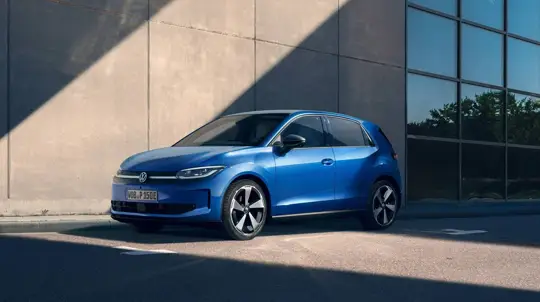
How to maintain your hybrid car's gasoline engine properly
 © A. Krivonosov
Learn essential tips for hybrid vehicle maintenance, including running the gasoline engine regularly to prevent deposits and improve performance. Keep your hybrid efficient.
Author: Daria Kashirina
Hybrid vehicles are increasingly seen as a smart compromise between fuel efficiency and practicality. In urban environments, the electric motor handles most of the load, with the gasoline engine kicking in only when needed—such as during hard acceleration or on highways. However, this usage pattern can create unusual operating conditions for the internal combustion engine, as noted by the publication 32CARS.RU.
According to auto mechanic Alexey Stepantsov, fuel in hybrid cars can sit in the tank much longer than in conventional vehicles. Over time, gasoline interacts with air and moisture, gradually oxidizing and potentially forming compounds that can leave deposits in the fuel system.
Frequent cold starts add extra strain on the engine. In hybrids, the gasoline motor often runs for short periods and may not always reach full operating temperature. Under these conditions, carbon buildup can occur, and some unburned fuel might mix with the engine oil, reducing its protective properties.
Direct injection systems are particularly sensitive to these changes. The injectors have very small openings, so even minor deposits can impair fuel atomization. This can lead to reduced performance, rough engine operation, and increased fuel consumption. Fortunately, the solution is quite straightforward.
Experts recommend periodically letting the gasoline engine run in a full operating mode. A drive of about 20–30 minutes is enough to bring the engine up to temperature and allow it to run steadily. This practice helps evaporate moisture from the oil, reduce condensation, and maintain proper injection system function.
Additionally, special fuel additives can be used to stabilize gasoline and lower the risk of deposit formation. Overall, hybrid cars remain one of the most rational choices for city driving.
But owners should keep in mind: the gasoline engine in these vehicles also needs regular use. Sometimes the best maintenance is simply letting the engine warm up properly and run under load.
This English edition was prepared using AI translation under editorial oversight by SpeedMe. The original reporting is by Daria Kashirina
Latest Stories