Fast cars under $55,000: 0-100 km/h acceleration guide
 © A. Krivonosov
Explore affordable cars with quick 0-100 km/h times, including Ford Mustang GT, Tesla Model 3, and more. Get performance on a budget with EVs and turbo engines.
Author: Boris Naumkin
The world is obsessed with 0-100 km/h acceleration. In real life, traffic jams and speed limits rarely allow drivers to tap into a car's full potential, but the fact remains: quick launches provide a sense of control and confidence. Today, getting that 'seat-pinning' sensation has become significantly easier and cheaper than it was a decade ago.
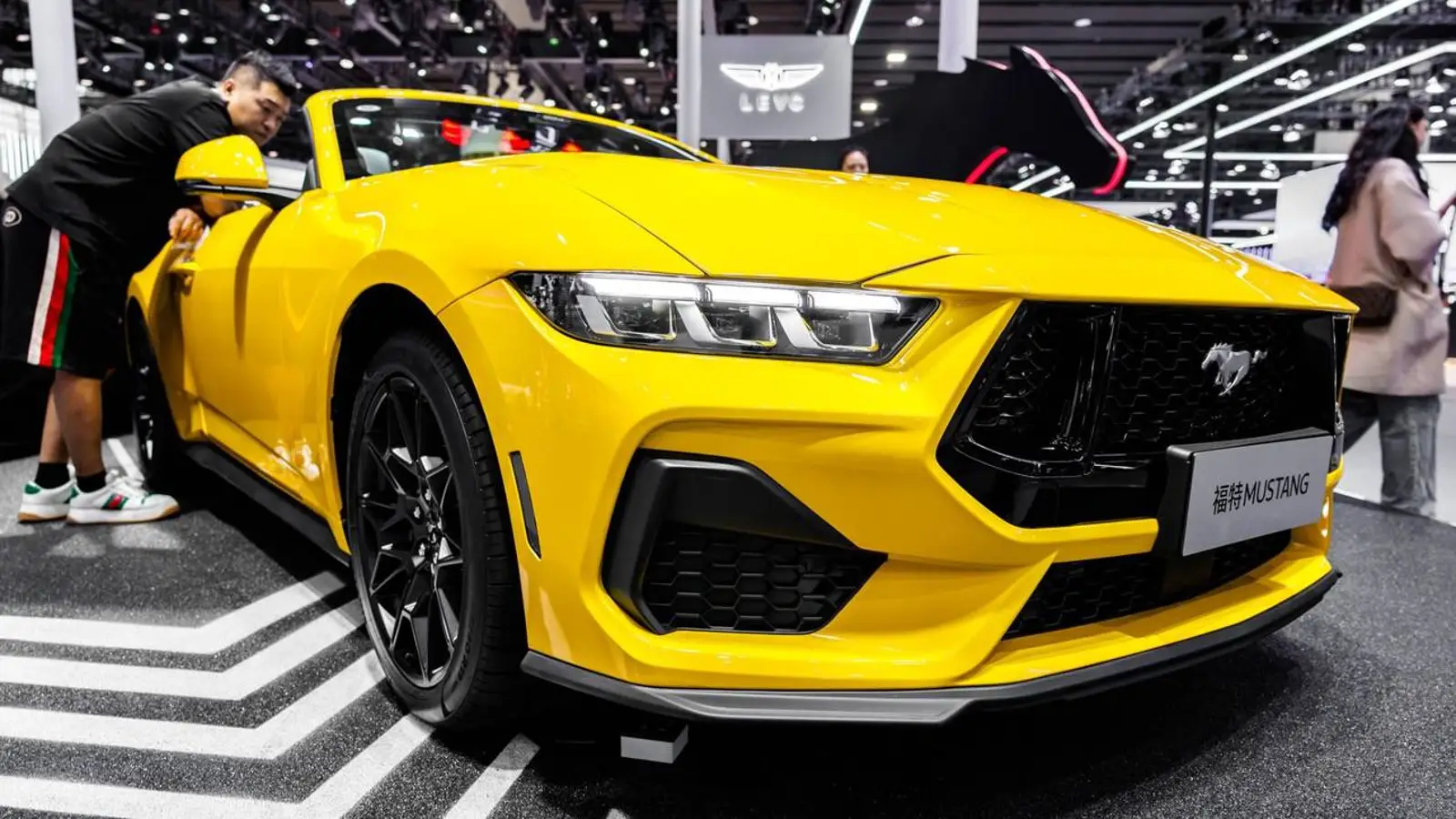
The 2026 Ford Mustang GT is a prime example. Priced around $48,500, it sprints to 100 km/h in approximately 4.2 seconds. Its naturally aspirated 5.0-liter V8 produces 480 horsepower and 562 Nm of torque. That's performance once associated with expensive sports coupes. Yet the Mustang remains relatively affordable and even offers a manual transmission.
The BMW M240i xDrive costs about $56,950 and, in its all-wheel-drive version, hits 100 km/h in 4.1 seconds. A turbocharged six-cylinder engine delivering 382 horsepower ensures an impressive launch, thanks to the all-wheel-drive system. While it's technically less powerful than the M2, the difference is minimal in daily driving, especially in poor weather.
The Hyundai Elantra N with a dual-clutch transmission (DCT) is priced around $37,800 and accelerates to 100 km/h in 4.8–4.9 seconds. That's a serious result for a front-wheel-drive sedan. Its 2.0-liter turbocharged engine develops up to 286 horsepower, while advanced suspension and a limited-slip differential make the car not only fast in a straight line but also stable through corners.
The base Subaru WRX is estimated at roughly $33,700. All-wheel drive and a turbocharged 2.4-liter boxer engine with 271 horsepower allow it to reach 100 km/h in 5.5 seconds. For the money, it's hard to find another sedan with a manual transmission and AWD that offers comparable performance.
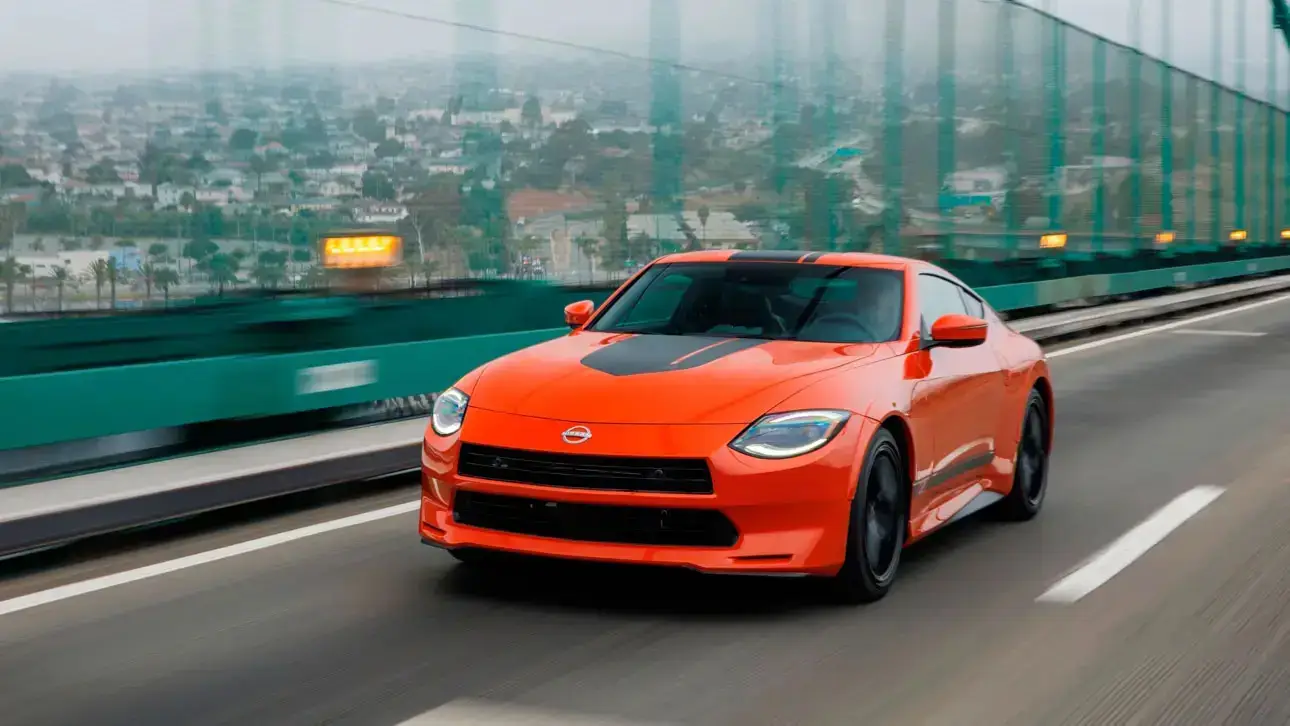
The Nissan Z starts at around $44,300. A 3.0-liter twin-turbo V6 with 400 horsepower propels the coupe to 100 km/h in 4.3 seconds. Rear-wheel drive and a manual gearbox make it a classic sports car at a relatively accessible price.
Among electric vehicles, the price-to-performance ratio is even more compelling. The Volvo EX30 Twin Motor, at $46,400, accelerates to 100 km/h in 3.4 seconds. That's on par with a Ferrari 458 from the previous decade. Two electric motors with a combined output of 422 horsepower deliver instant response, though the range is limited to about 400 km on the EPA cycle.
The Tesla Model 3 Premium AWD costs approximately $49,100 and reaches 100 km/h in 4.2 seconds. Its dual-motor setup, with about 425 horsepower, provides sporty performance alongside a range of up to 550 km. The Performance version is quicker but sacrifices some driving range.
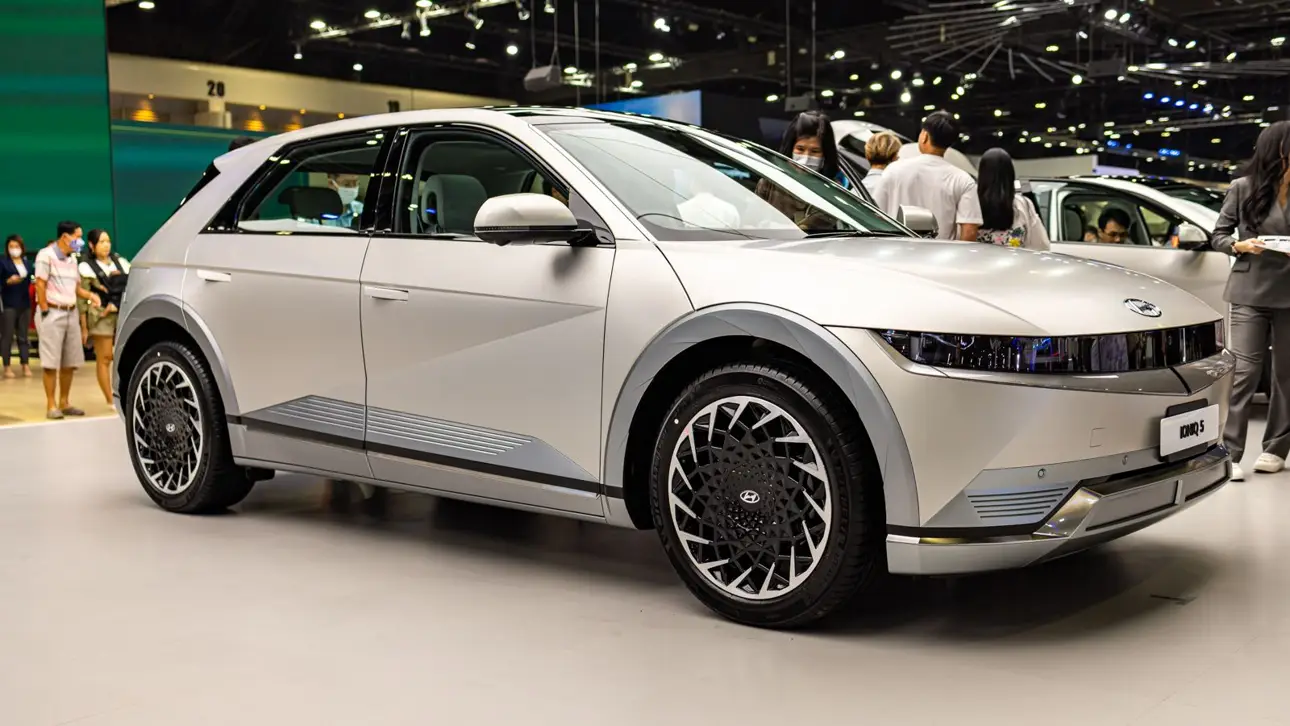
The Hyundai Ioniq 5 SE AWD, priced at $42,600, hits 100 km/h in 4.9 seconds. Yet this crossover remains a practical family vehicle, with a range of about 470 km and 320 horsepower.
The Kia K5 GT is one of the most underrated options. For $34,800, this sedan features a 2.5-liter turbocharged engine with 290 horsepower and accelerates to 100 km/h in 5.4 seconds. That's performance that, until recently, was the preserve of sporty versions from European brands.
The Cadillac CT4 2.7 Premium Luxury, at $47,100, offers 310 horsepower and a 0-100 km/h time of 4.8 seconds. Rear-wheel drive and a classic layout make it a genuine sports sedan, albeit with a more modest interior compared to German rivals.
Overall, the conclusion is clear: today, supercar-level performance from the past is available in the $35,000–$55,000 price range. Electric vehicles have added instant torque, while traditional turbocharged engines have become more powerful and efficient. As a result, a fast car no longer requires a six-figure budget—you just need to pick the right model in your segment.
This English edition was prepared using AI translation under editorial oversight by SpeedMe. The original reporting is by Boris Naumkin
Latest Stories