BMW's range extender technology: no immediate revival plans
 © A. Krivonosov
BMW announces no immediate plans to revive range extender technology, focusing on EVs with over 800 km range and fast charging instead. Learn about future alternatives.
Author: Daria Kashirina
BMW has announced that it has no immediate plans to revive the Range Extender technology—a system where a gasoline engine acts as a generator to recharge an electric vehicle's battery. This approach was previously used in the BMW i3 REx model.
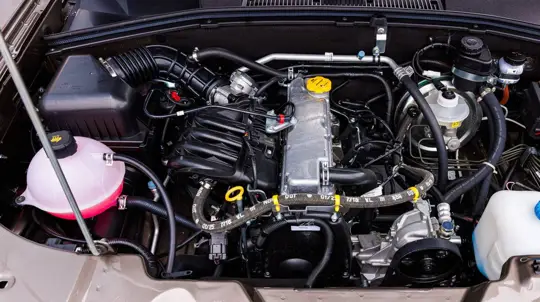
The compact EV featured a small 650cc two-cylinder engine that didn't drive the wheels but served solely as a generator to extend range. However, after ending production of the BMW i3 in 2022, the company abandoned this setup.
According to BMW's head of research and development, Joachim Post, modern electric vehicles can already deliver sufficient range without additional generators. For instance, the new generation of the BMW iX3 electric crossover will be capable of traveling over 800 kilometers on the WLTP cycle. Moreover, the new Neue Klasse platform supports ultra-fast charging at up to 400 kW, significantly reducing energy replenishment time.
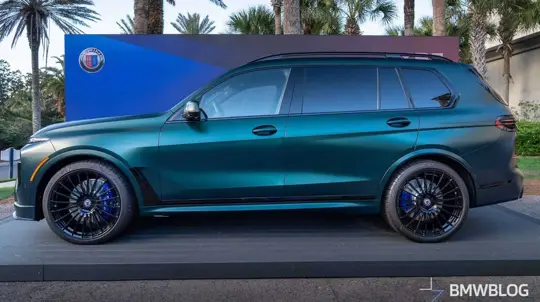
Nevertheless, BMW hasn't ruled out a potential return of Range Extender technology in the future. It could prove particularly useful in regions with underdeveloped charging infrastructure. If such a system does reappear, it might be implemented in larger models like the BMW X5 or X7.
In addition, the company continues to advance alternative technologies. It's already known that the next generation BMW X5 will feature a hydrogen fuel cell version developed in collaboration with Toyota, with this model expected to debut in 2028.
BMW is focusing on battery development and fast charging instead of interim technologies. If new platforms genuinely achieve ranges exceeding 800 km, the need for range-extending generators could fade away naturally.
This English edition was prepared using AI translation under editorial oversight by SpeedMe. The original reporting is by Daria Kashirina
Latest Stories