Best plug-in hybrid cars with electric range and prices
 © A. Krivonosov
Explore top plug-in hybrid models like BMW 530e and Audi A3 TFSIe, offering up to 141 km electric range and low running costs for daily driving.
Author: Nikita Novikov
Plug-in hybrids remain a logical compromise for those not ready to fully switch to an electric vehicle. Modern PHEVs offer 60-80 miles (roughly 95-140 km) of electric range, allowing for almost no petrol use in daily driving. For longer trips, the internal combustion engine remains as a reliable backup.
The leader among premium models is the BMW 530e. Starting at £59,700, this sedan offers up to 102 km of electric range thanks to a 19.4 kWh battery. Once the battery is depleted, a 2.0-litre petrol engine takes over.
This model combines business-class comfort with low corporate tax, making it popular as a company car.
The Audi A3 TFSIe starts at £39,900 and offers a segment-leading 141 km of pure electric range. In real-world tests, this figure is nearly identical to the claim, making this hatchback one of the most efficient PHEVs on the market. The interior maintains premium quality, though the boot is reduced to 280 litres.
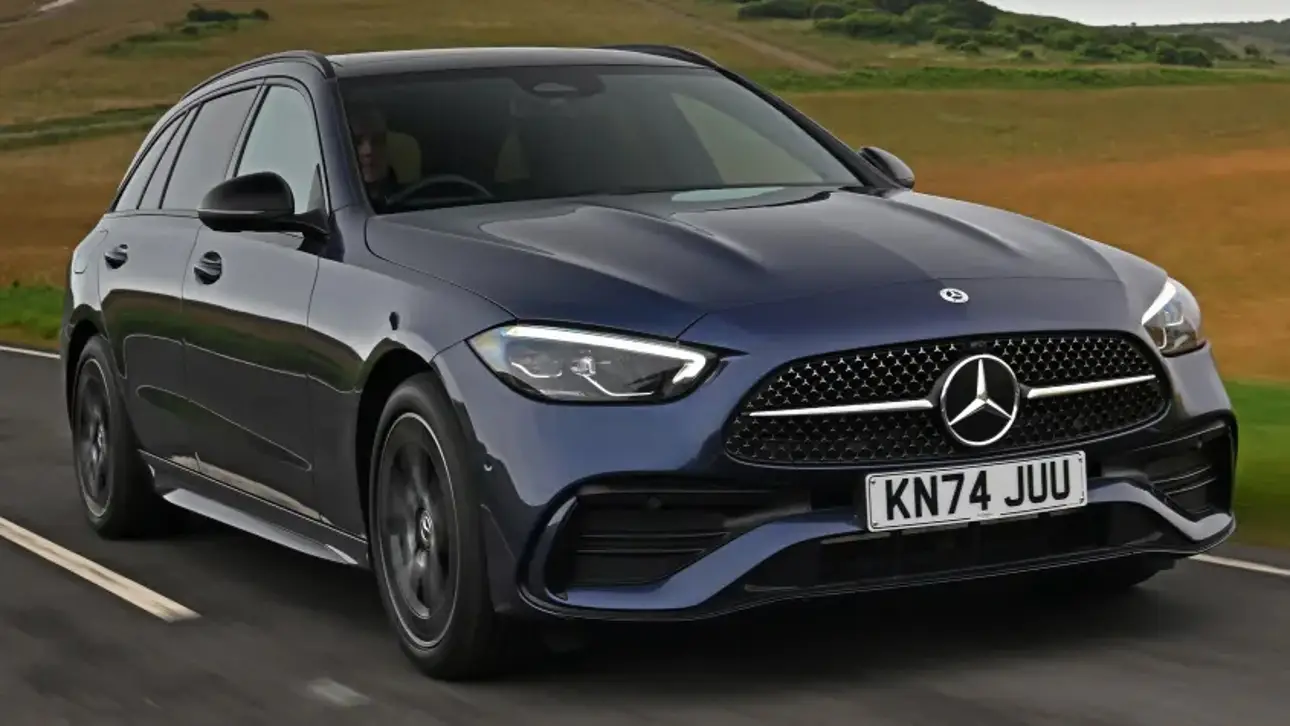
The Mercedes C 300 e is priced from £50,800 and features a large 25.4 kWh battery, providing up to 114 km without a drop of petrol. The car remains a full-fledged business-class representative with a high level of comfort and the modern MBUX system.
In the family SUV segment, the Skoda Kodiaq PHEV stands out. Prices start at around £42,000, with an electric range also reaching 114 km. The boot remains impressive at 745 litres, though the PHEV version lacks a third row of seats.
The BMW 330e, starting at £47,200, offers up to 99 km of electric range. The model retains the handling character of the classic 3 Series, combining performance with moderate fuel consumption.
The new-generation Toyota Prius sells from £37,900. Its electric range is about 85 km, with total power reaching 220 hp, enabling a 0-100 km/h acceleration in 6.8 seconds. With active charging, real-world fuel consumption can exceed 80 mpg even after the battery is depleted.
The Hyundai Tucson PHEV starts at £39,400 and offers up to 70 km on electric power. Its total power of 249 hp makes it the most dynamic in the lineup, though the weight of the hybrid system is noticeable in corners.
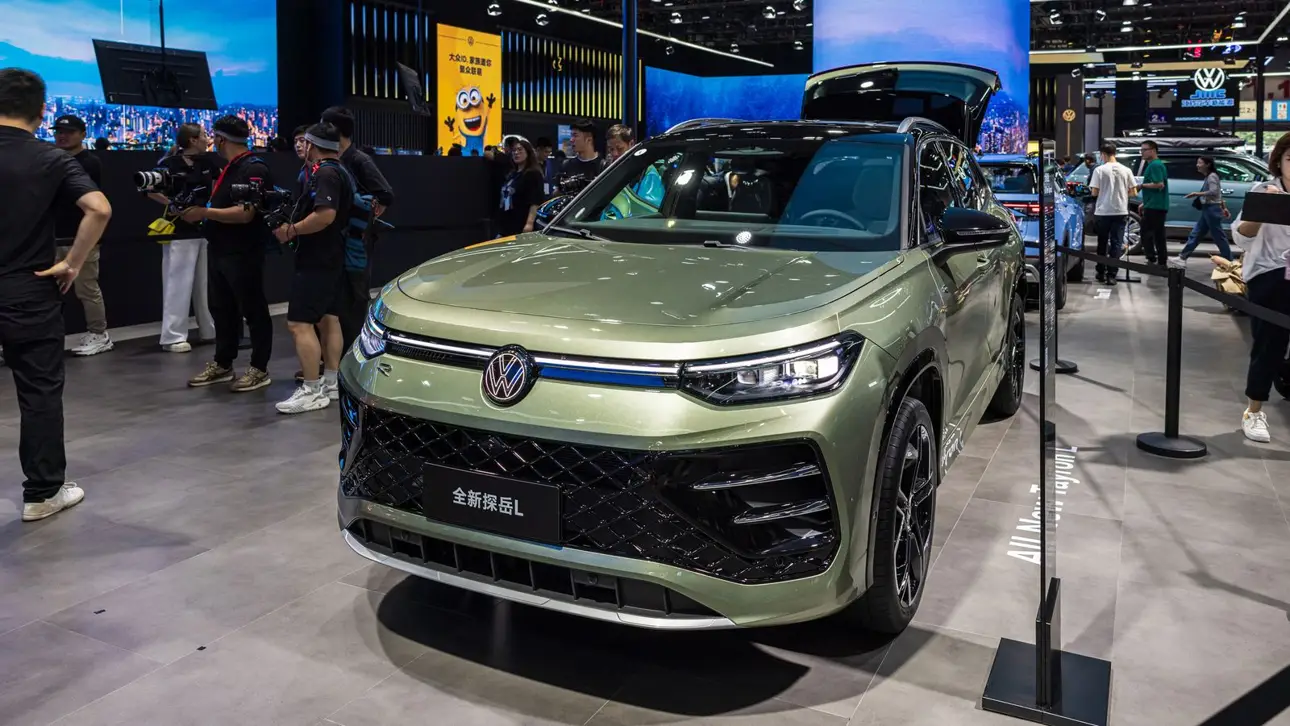
The Volkswagen Tayron PHEV is one of the longest-range SUVs, with a figure of up to 118 km. Priced from £44,000, it combines a spacious interior with a 705-litre boot, though the PHEV version is only available as a five-seater.
The Toyota RAV4 PHEV and its twin, the Suzuki Across, offer up to 74 km of electric range and around 300 hp of power. They remain practical and economical, though a new generation of the RAV4 has already been announced.
Overall, the picture is straightforward: a plug-in hybrid is most beneficial for those who regularly charge the car and drive within its electric range. In this mode, fuel consumption can be minimal, and running costs are significantly lower than a conventional petrol car. However, with frequent long trips without recharging, efficiency drops, and in such conditions, the hybrid is no longer as economical.
This English edition was prepared using AI translation under editorial oversight by SpeedMe. The original reporting is by Nikita Novikov
Latest Stories