Smart's shift to larger models fails to gain traction with buyers
 © smart.cn
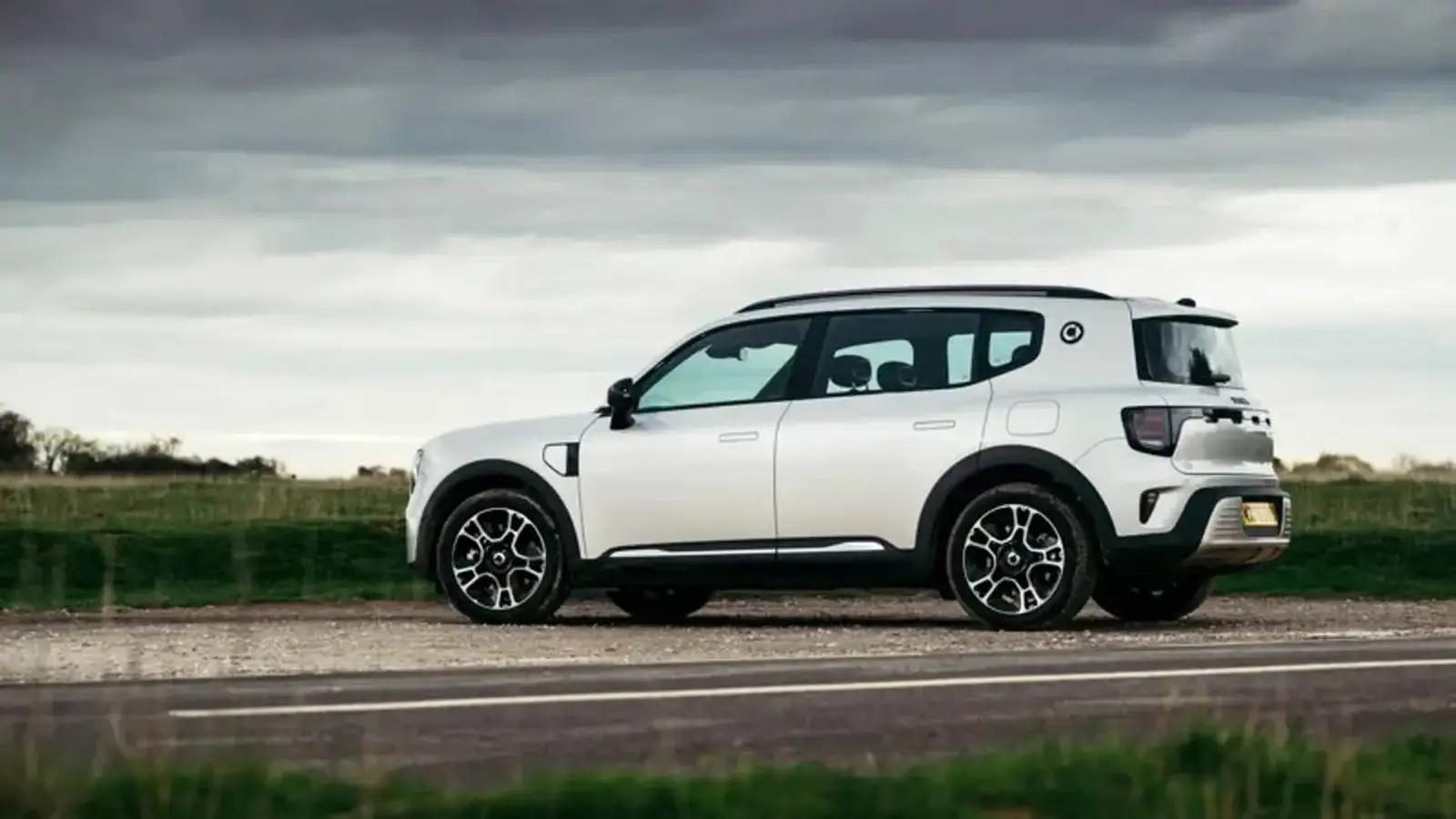
Smart's new larger models like the #5 underperform, with deep discounts and low sales. The brand plans more large cars despite market demand for compacts.
Author: Nikita Novikov
The Smart brand, known for compact city cars, is struggling with its shift toward larger models. Its new "growth" strategy hasn't resonated with buyers yet.
Larger Models Fail to Gain Traction
According to Chinese industry associations, Smart sold around 30,000 vehicles over the past year. Of those sales, 64% came from the compact #1, while the larger #3 and #5 accounted for just 14% and 22% respectively.
The flagship Smart #5 has been the weakest performer. Despite aggressive marketing and the launch of a hybrid version, the model posts low monthly sales and falls short of the brand's expectations.
Clearance Sales with Deep Discounts
Faced with weak demand, dealers are offloading inventory. New, unregistered Smart #5 units are being sold through used-car platforms with discounts of up to 100,000 yuan.
For example, versions with an official price of 269,900 yuan are now offered for around 169,800 yuan. This signals a serious reassessment of the model and issues with its market positioning.
Smart Presses Ahead Despite Risks
Despite current challenges, the company is preparing an even larger model—the nearly 5-meter-long Smart #6 sedan. It will compete with the Tesla Model 3 and Xiaomi SU7 in one of the market's most competitive segments.
At the same time, the brand is returning to its roots: a two-seat Smart #2 is expected to debut in 2026. This could be an attempt to balance the lineup and revive interest in compact models.
Overall, Smart's strategy remains contradictory: the market shows demand for compact cars, yet the brand continues to move toward larger, more expensive models.
This English edition was prepared using AI translation under editorial oversight by SpeedMe. The original reporting is by Nikita Novikov
Latest Stories