BYD God's Eye system faces customer complaints in China
 © B. Naumkin
Chinese automaker BYD faces controversy over its God's Eye driver-assistance system, with reports of sudden accelerations and unpredictable maneuvers affecting customer trust.
Author: Nikita Novikov
Chinese automotive giant BYD has found itself at the center of a scandal in its home market. The controversy stems from numerous customer complaints about the performance of its driver-assistance system, God’s Eye, which the company markets as an autopilot equivalent.
The Core Issue
Buyers report issues with the system, including sudden accelerations and unpredictable maneuvers. In one incident, a Yangwang U8 SUV unexpectedly accelerated to 93 km/h in a zone with a 60 km/h speed limit. Problems also involve steering control, navigation glitches, and delays in function responses. Complaints are coming not only from owners of premium models but also from buyers of BYD’s mass-market vehicles.
Technology Under Scrutiny
God’s Eye is available in several versions, ranging from a basic setup with cameras and radars to advanced options with lidar and an expanded sensor array. However, even top-tier configurations, according to feedback, fail to deliver consistent performance.
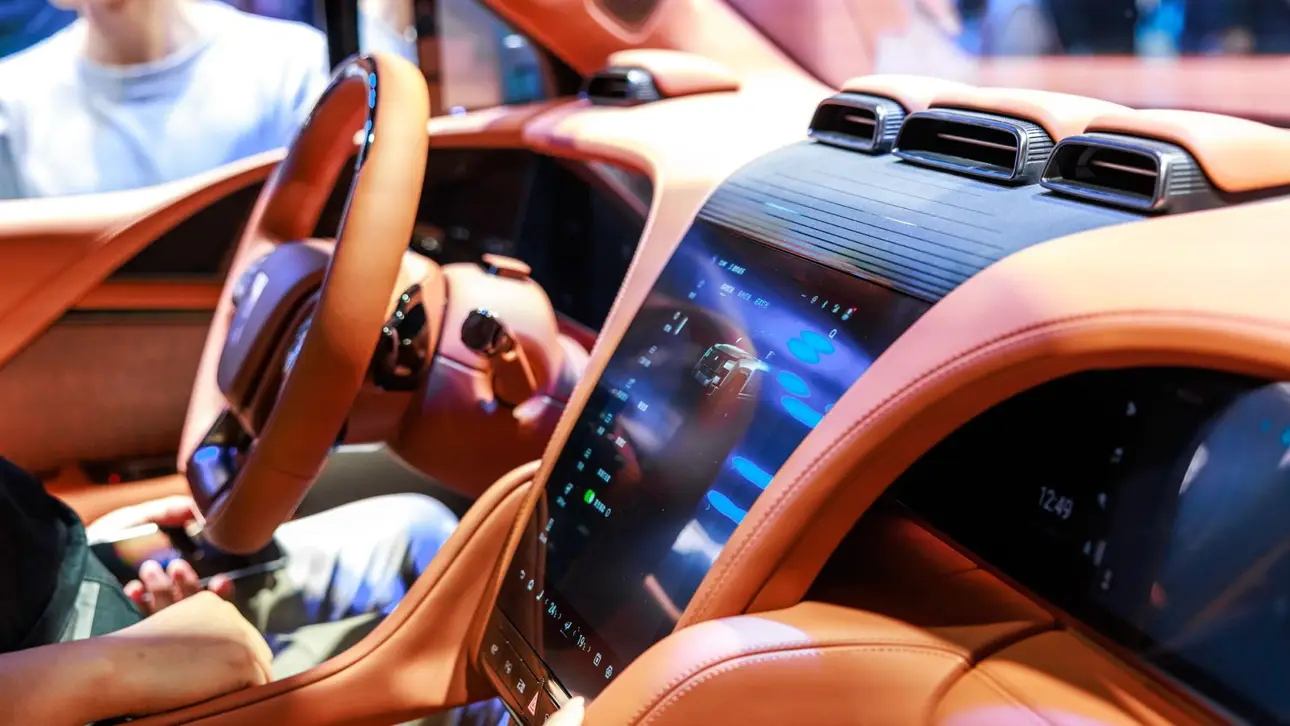
This situation echoes problems Tesla has faced with its Full Self Driving system, which has also drawn criticism and investigations. Similar concerns have previously arisen with other automakers, including Ford.
Brand Implications
BYD has been actively promoting autonomous driving technology as a key competitive edge. In practice, this means the current scandal could impact consumer trust, especially amid growing competition in the electric vehicle sector. For now, it remains unclear whether God’s Eye will be rolled out in other markets, such as Australia. The company has not issued an official statement on the matter.
This English edition was prepared using AI translation under editorial oversight by SpeedMe. The original reporting is by Nikita Novikov
Latest Stories