Lexus RZ Blue in Green Edition honors Miles Davis with music and design
 © global.toyota
Discover the Lexus RZ Blue in Green Edition, a special electric crossover celebrating Miles Davis. Features color-shifting paint, musical integration, and updated tech for a unique driving experience.
Author: Nikita Novikov
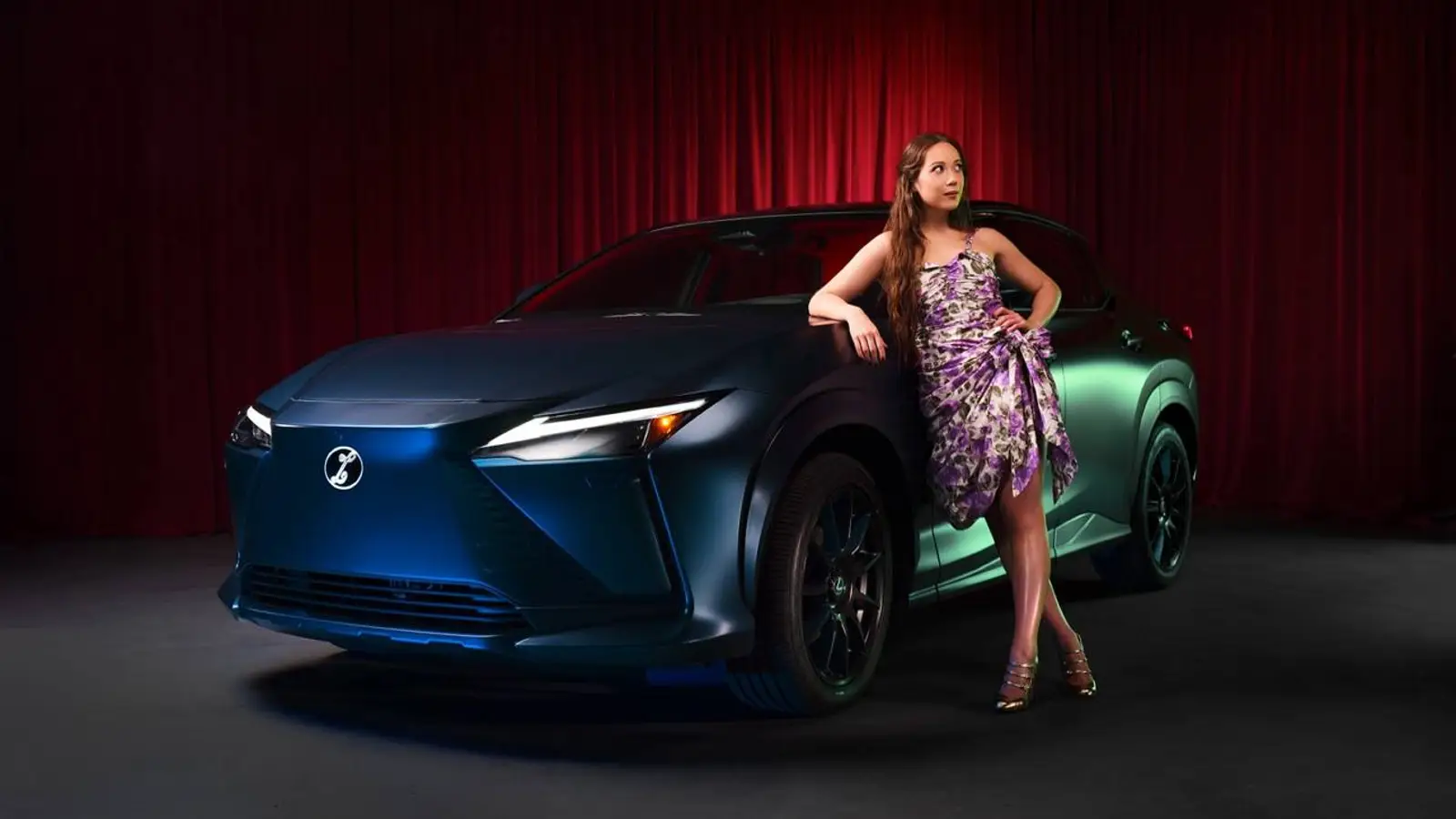
Lexus has unveiled a special edition of its electric RZ crossover called the Blue in Green Edition. This model celebrates the centenary of legendary jazz musician Miles Davis, blending automotive design with musical aesthetics.
Design and Atmosphere
The standout feature is a color-shifting paint job that transitions from blue to green depending on the lighting. Brass accents on the exterior and interior pay homage to brass instruments. Inside, the cabin uses aged leather and burgundy velvet, reminiscent of a musical instrument case. When starting the car, it plays the opening notes of the composition Blue in Green.
Musical Integration
Singer Laufey contributed to the project by reinterpreting the iconic song. The car also incorporates her signature elements, from logo lighting to song lyrics in the trunk.
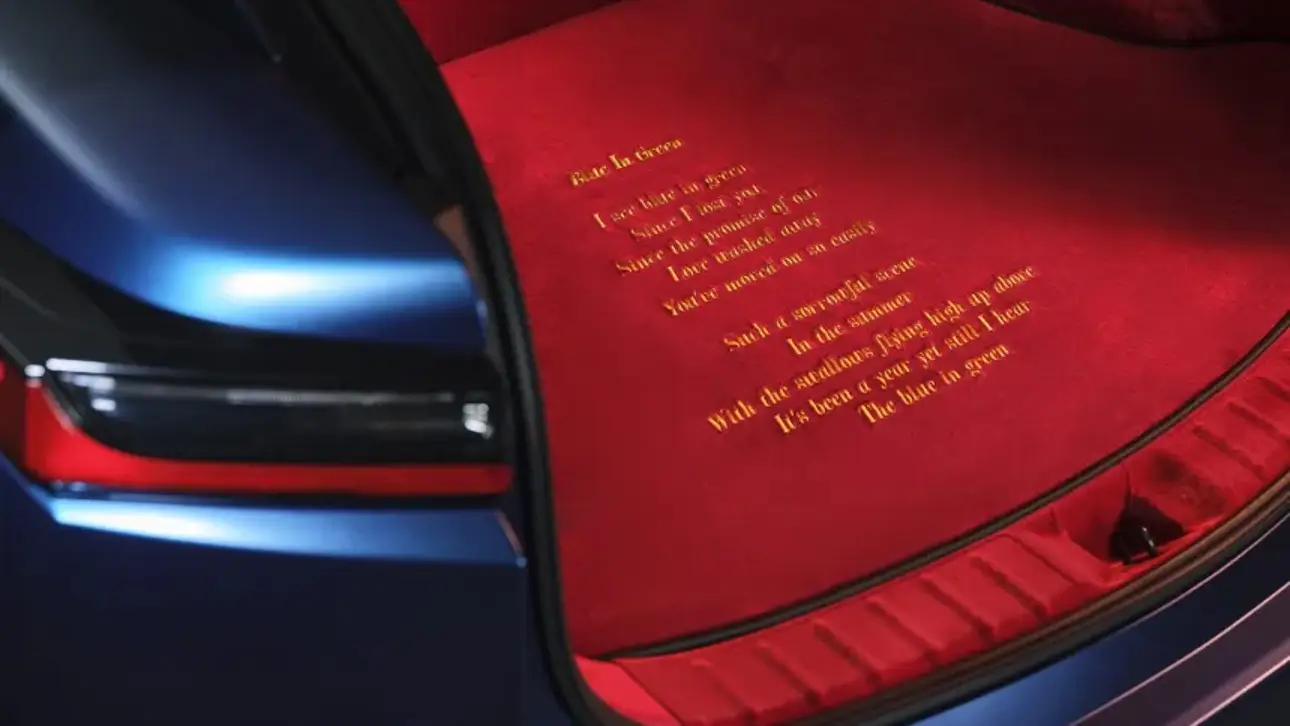
In practice, this means Lexus is focusing on emotional ownership experience rather than just technical specifications.
Technical Base
The RZ itself remains a production electric crossover with a battery of around 75 kWh and a range of up to 480 km. Depending on the version, power varies from 221 to 402 horsepower.
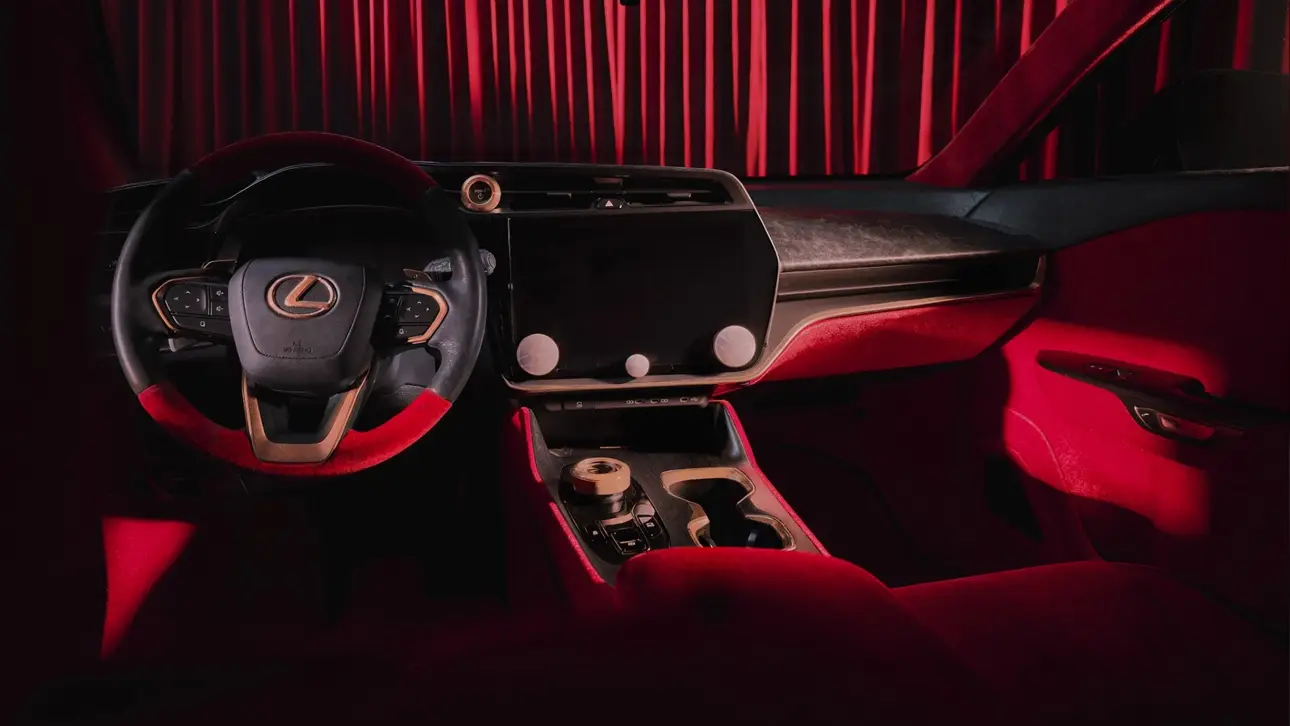
The model received an updated charging system with support for the Tesla Supercharger network, along with controversial features like simulated gear shifting.
Lexus is following a trend already embraced by premium brands: turning cars into cultural objects. Similar projects can be seen with Rolls-Royce (Bespoke series), BMW (art cars), or Mercedes through fashion collaborations. However, unlike them, Lexus is betting on a mass-market model rather than exclusivity. This detail matters because it shows the line between car and art product is blurring even in the production segment.
This English edition was prepared using AI translation under editorial oversight by SpeedMe. The original reporting is by Nikita Novikov
Latest Stories