How to detect and prevent mice damage in your vehicle
 © A. Krivonosov
Learn to spot rodent signs like chewed wires and odors, understand safety risks, and get expert tips for prevention and cleaning. Protect your car from mice damage.
Author: Nikita Novikov
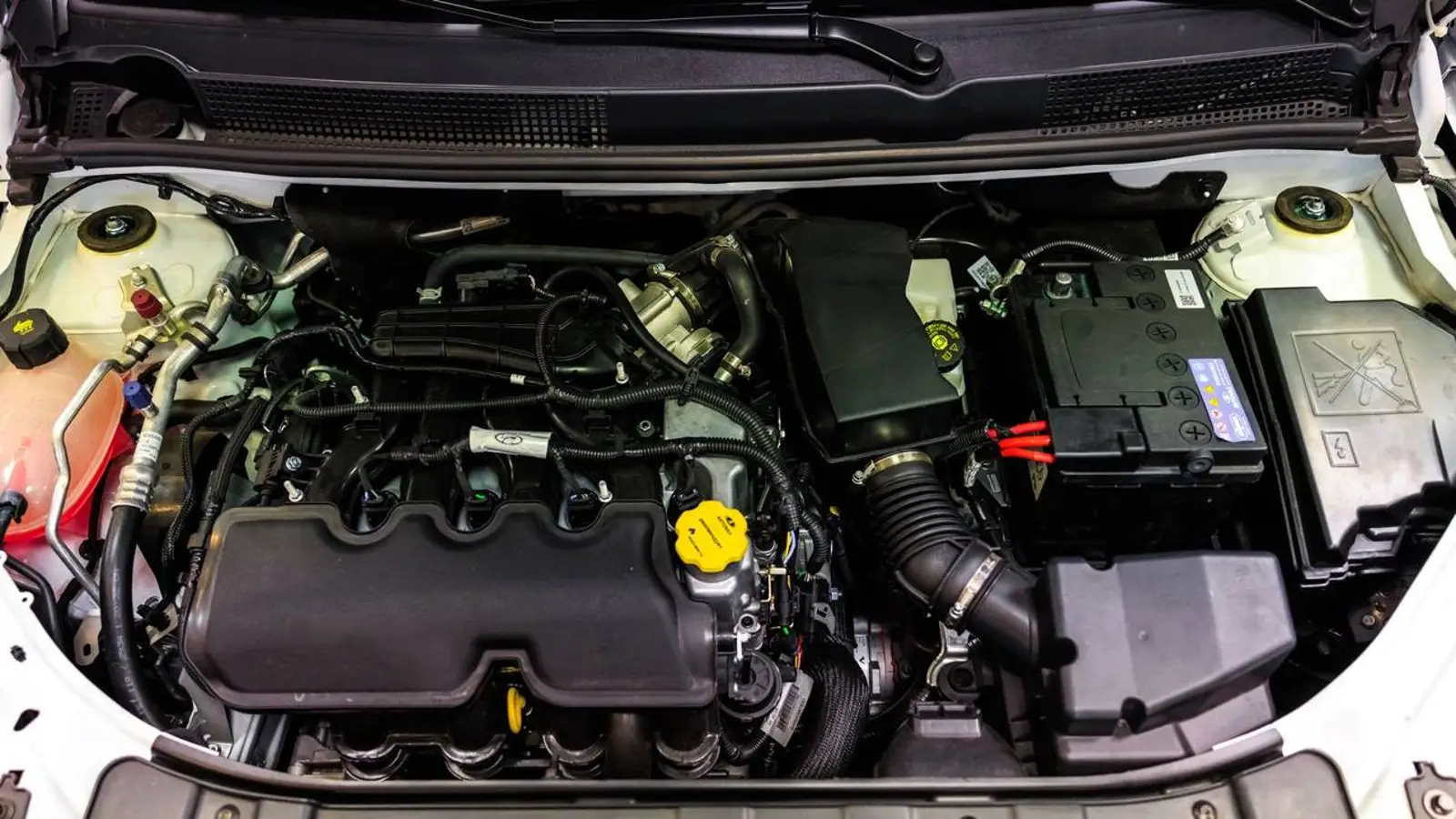
Scratches, chewed wires, unusual odors, and droppings can all indicate that rodents have taken up residence in your car. According to Consumer Reports experts, mice often enter vehicles through ventilation ducts and the engine compartment, building nests near the cabin air filter.
The experts emphasize that the issue goes beyond unpleasant smells and unsanitary conditions. Rodents can cause serious damage to electrical wiring and control system components, potentially affecting driving safety.
The Dangers of Mice in Your Car
Damaged wire insulation poses one of the most serious threats. If a rodent chews through a cable, the vehicle may operate erratically or fail to start altogether. In some cases, this creates a risk of short circuits.
Mice also leave droppings and urine, which can produce unpleasant odors and potentially cause respiratory issues for drivers and passengers.
If the cabin air filter is damaged or a nest is discovered in the ventilation system, filter replacement and thorough disinfection are required.
How to Properly Address the Problem
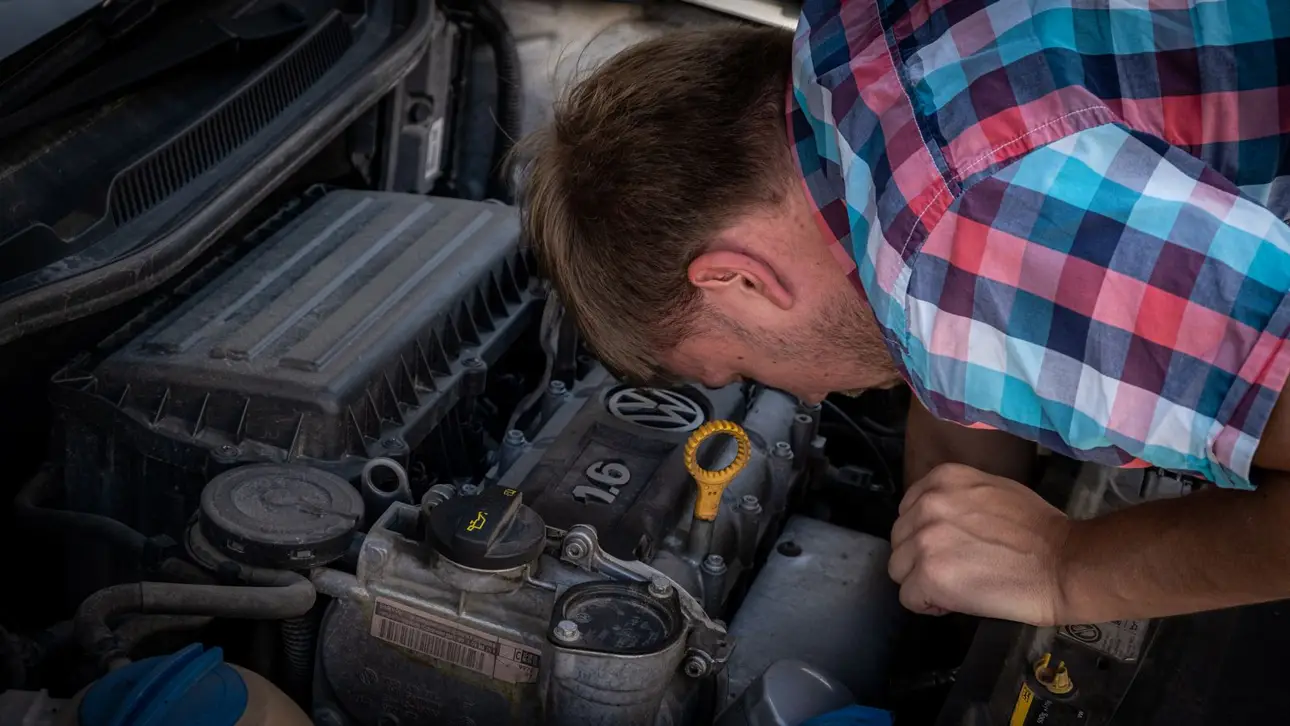
Experts advise that if you suspect rodents, move your car to an open area and thoroughly inspect both the interior and engine compartment. This work should be done wearing protective gloves, using disinfectants and disposable materials.
Using a vacuum cleaner is not recommended, as it can stir contaminated particles into the air and create health risks. After cleaning, replace the cabin air filter and check wiring integrity.
If wire insulation is damaged, it's best to consult a mechanic for diagnostics—the vehicle may be unsafe to operate.
How to Prevent Recurrence
To reduce risk, specialists recommend keeping the interior clean and avoiding leaving food remnants in the car. When parking in a garage, ensure doors close tightly and place mousetraps around the perimeter.
Additional measures include using specialized products: sachets containing peppermint oil or insulation tape with capsaicin—the substance that gives peppers their heat. Rodents avoid contact with such materials.
Conclusion
Mice in cars are not uncommon, especially during colder months. Ignoring the problem is not an option: damaged wiring and contaminated ventilation can lead to expensive repairs. Regular inspections and preventive measures will help avoid serious consequences and keep your vehicle in proper working order.
This English edition was prepared using AI translation under editorial oversight by SpeedMe. The original reporting is by Nikita Novikov
Latest Stories