
Tesla Semi electric truck factory opens with 50,000 annual production target
 © tesla.com
Tesla launches a dedicated factory for Semi electric trucks, integrating battery production to reduce bottlenecks. Learn about updates, energy efficiency, and Megacharger expansion plans.
Author: Yulia Ivanchik
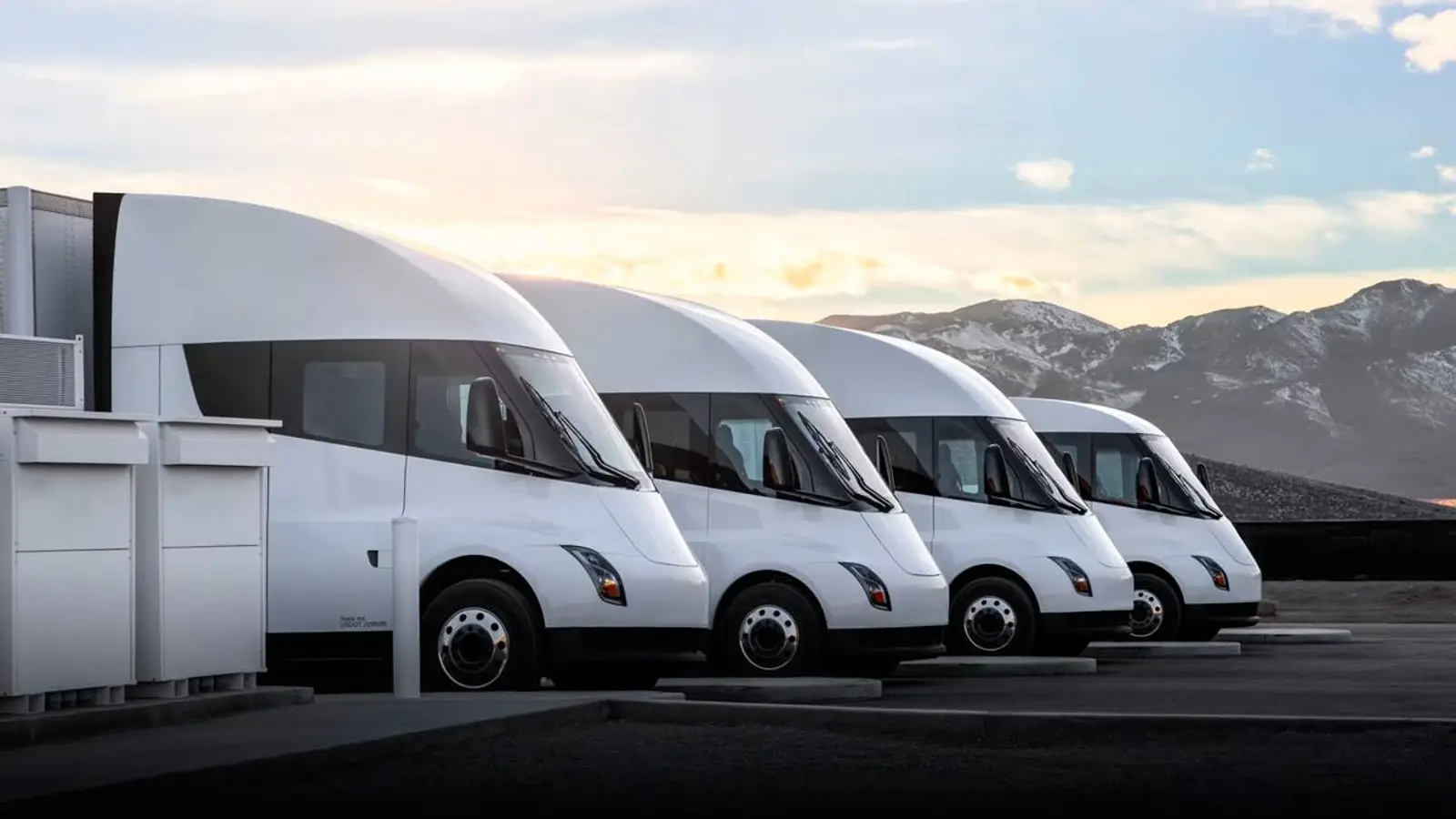
Tesla has launched a dedicated factory for its Semi electric trucks near Gigafactory Nevada. Production began in March 2026, with an annual target of up to 50,000 vehicles.
A key advantage of this project is the integration with battery production: the 4680 cells are manufactured on the same site. This move effectively removes the logistical bottlenecks that previously hindered the model's development due to battery prioritization for passenger cars.
The first Tesla Semi deliveries started in December 2022 for PepsiCo. Since then, operators like Walmart, DHL, and Costco have joined the program. Operational data shows these trucks achieve an energy consumption of approximately 1.72 kWh per mile (about 2.77 kWh per 1.6 km) under full load.
The updated 2026 version features a weight reduction of 454 kg, improved aerodynamics, and support for charging up to 1.2 MW. This capability allows for a 60% charge in roughly 30 minutes.
Tesla is also expanding its Megacharger network, with plans for 37 stations by the end of 2026 and 66 across 15 U.S. states by 2027. This initiative underscores the growing business vehicle segment, where total cost of ownership and operational efficiency are becoming decisive factors.
This English edition was prepared using AI translation under editorial oversight by SpeedMe. The original reporting is by Yulia Ivanchik
Latest Stories