Hyundai recalls nearly 300,000 vehicles for seat belt anchor problem
 © A. Krivonosov
Hyundai recalls 294,128 Genesis G90, Ioniq 6, and Santa Fe models due to front seat belt anchor bolt detachment risk. Learn about affected models and the fix.
Author: Polina Kotikova
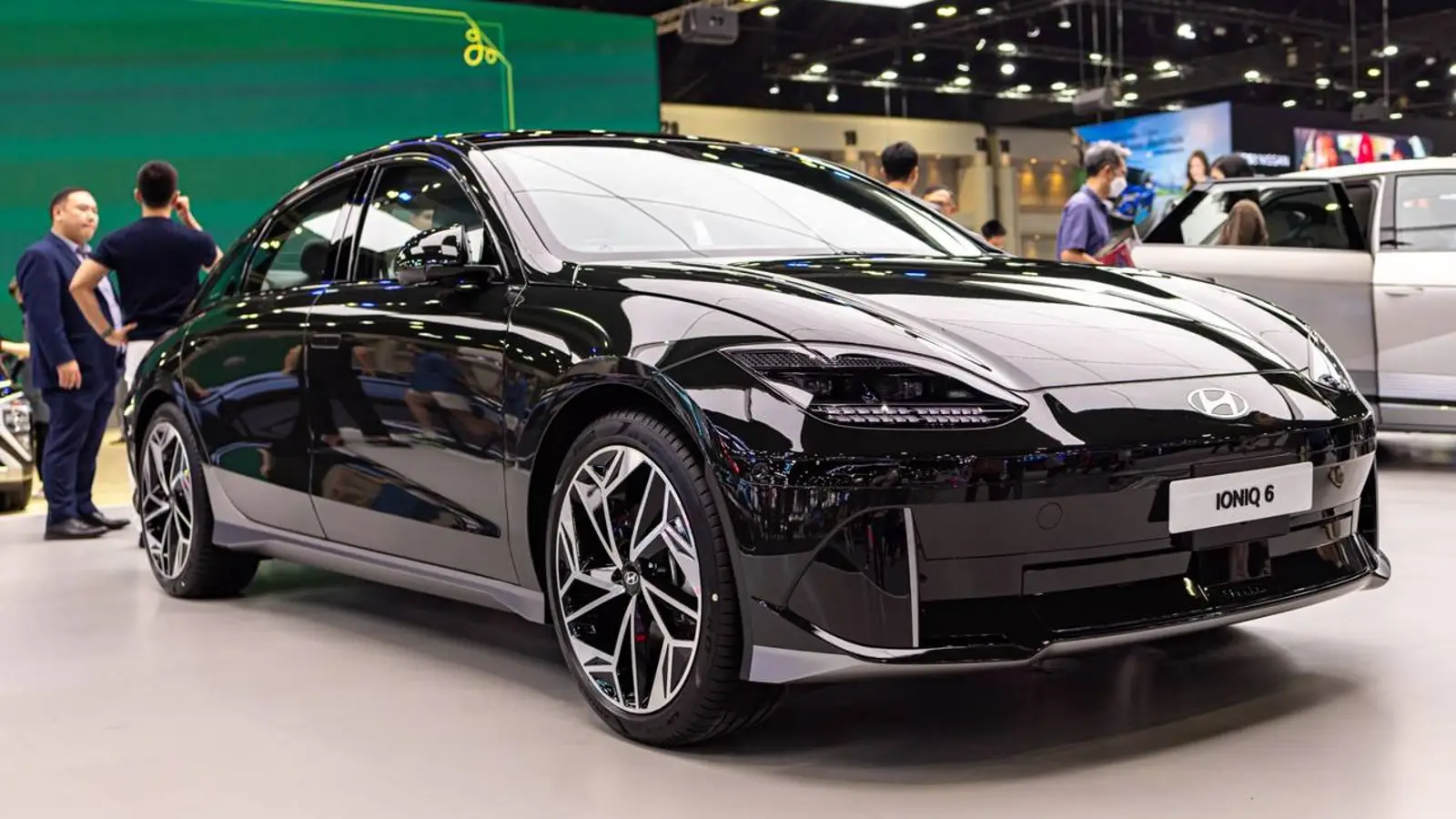
Hyundai Motor America has announced a recall of 294,128 vehicles in the United States, affecting the Genesis G90 from 2023 to 2026, the Hyundai Ioniq 6 from 2023 to 2025, and the Santa Fe and Santa Fe Hybrid from 2024 to 2026. The issue involves the potential detachment of the front seat belt anchor bolts.
The problem centers on the lower snap-on bracket that secures the seat belt to the seat frame. If damaged, this component may not hold the belt securely, increasing the risk of injury to the driver or passenger in a crash.
What Happened
An investigation was launched in 2025 after customer reports concerning the Santa Fe. Engineering analysis revealed that the anchor clip could be damaged during improper removal or installation as part of service work.
As of late March 2026, there have been six reports of insufficiently secured seat belts in the U.S., but no accidents or injuries have been recorded.
Affected Models
The recall covers:
5,710 Genesis G90 models (2023–2026),
35,149 Hyundai Ioniq 6 models (2023–2025),
95,268 Santa Fe Hybrid models (2024–2026),
and 158,001 Santa Fe models (2024–2026).
Production took place both in South Korea and at Hyundai’s plant in Alabama.
The Fix
Dealers will inspect the anchor brackets and install a reinforcing insert or, if necessary, replace the entire seat belt assembly.
A redesigned anchor has already been implemented in production since March 2026. Owner notifications are set to begin on June 5, 2026.
Why It Matters
This recall involves a fundamental component of passive safety—the seat belt anchor. Even with rare instances of damage, the potential risk of injury makes the issue critical. The scale of the campaign, nearly 300,000 vehicles, underscores how seriously Hyundai is taking safety compliance.
This English edition was prepared using AI translation under editorial oversight by SpeedMe. The original reporting is by Polina Kotikova
Latest Stories