The most reliable five-year-old Audis
 © A. Krivonosov
Consumer Reports data suggests several recent Audi models hold up well after five years, especially versions with proven 2.0-liter turbo engines, conventional automatics and fewer complex features.
Author: Nikita Novikov
Audi has long built its reputation on technology, advanced infotainment and sophisticated drivetrains. That level of complexity often raises doubts about long-term dependability. Even so, among the brand’s recent models there are cars that prove premium appeal and durability can go hand in hand. An analysis of Consumer Reports data on five-year-old vehicles shows the most dependable versions tend to be those with proven engines and without unnecessary technical complexity.
Audi A4 — the benchmark for balance
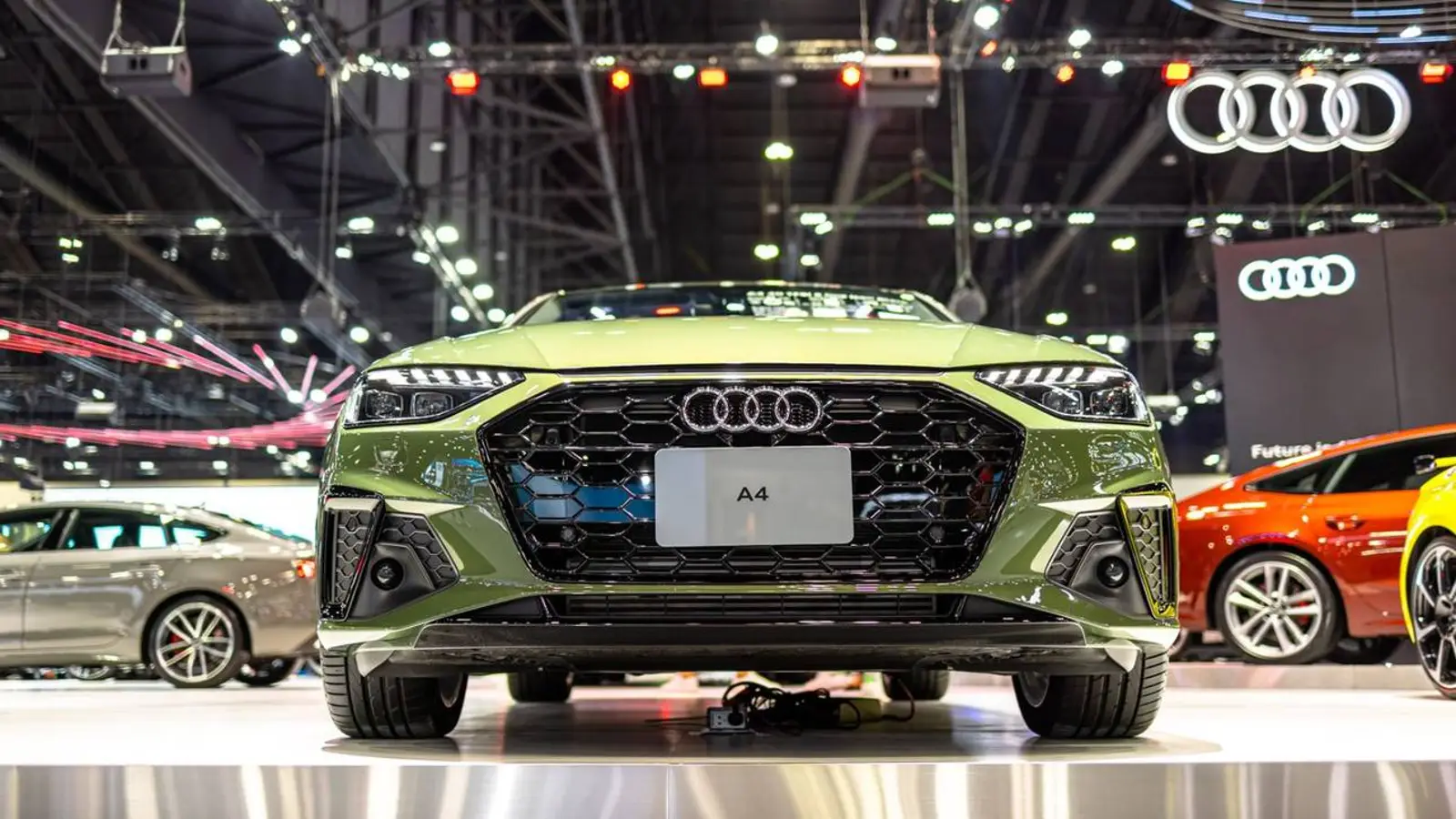
The previous-generation Audi A4 sedan is widely seen as one of the brand’s most successful modern models. In 45 TFSI form with the 2.0-liter turbo engine and quattro all-wheel drive, it has earned a reputation for solid reliability and relatively manageable running costs by premium-class standards.
The 12-volt mild-hybrid system introduced after the facelift improved efficiency without adding serious complexity. That combination of a proven engine and a mature platform is what helped the model maintain strong reliability after five years on the road.
Audi A5 — style without the extra risk
The A5 is closely related to the A4 underneath, which helps explain its similar reliability results. The smartest choice is the Sportback with the four-cylinder turbo engine. It combines liftback practicality with coupe-like flair.
More powerful S5 versions with the V6 place greater strain on major components, so the lower-output variants are the better bet for long-term ownership.
Audi TT — the sports-car exception
Sports cars are rarely associated with strong reliability, but the third-generation Audi TT turned out to be a welcome exception. By 2021, the model had already been in production for several years, giving Audi time to iron out most early issues.
The use of familiar components and the quattro all-wheel-drive system helped deliver consistency, while an interior with less electronics overload had a positive effect on durability.
Audi Q3 — the most practical SUV choice
The compact Q3 delivers the best reliability in Audi’s SUV range. The reason is its relatively simple design and the absence of more complicated hardware such as air suspension.
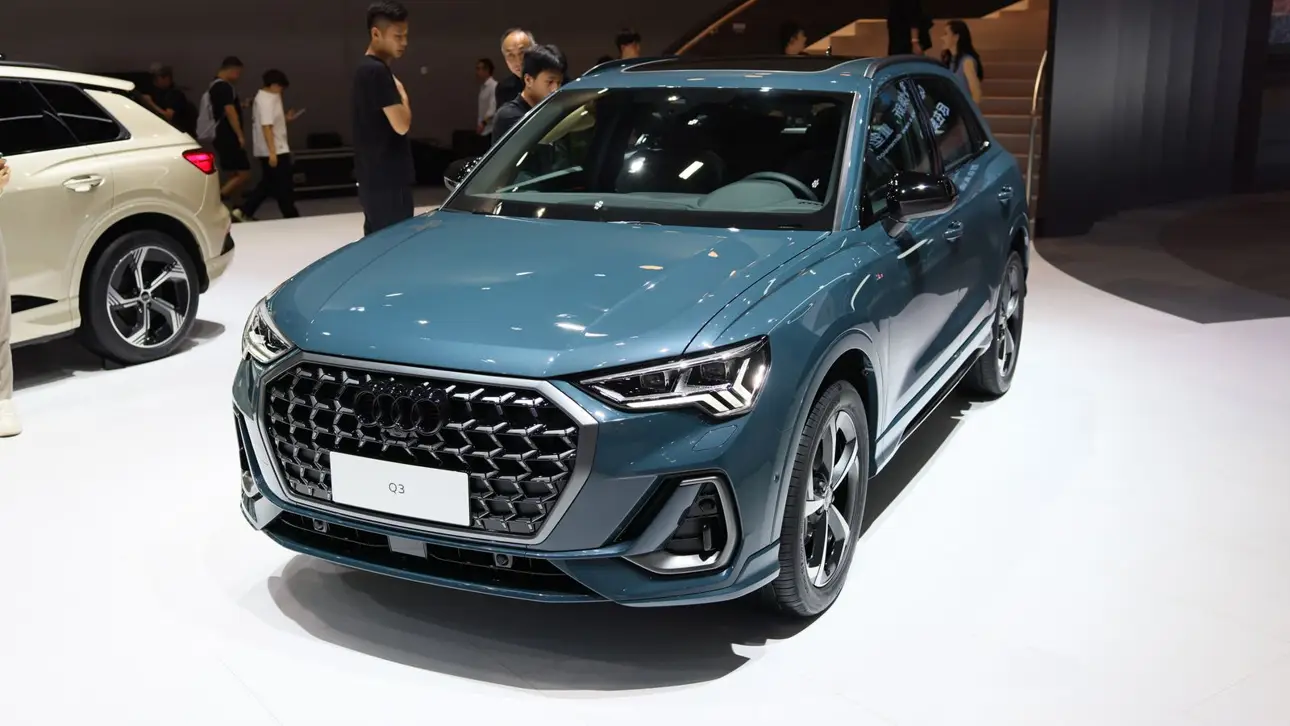
The 2.0-liter turbo engine paired with a conventional 8-speed automatic proved to be a more predictable and dependable option than versions equipped with a dual-clutch transmission.
Audi A6 — executive class without the excess
The previous-generation A6 was more complex from a technical standpoint, but reliability improved noticeably after the first production years thanks to software updates and refinements to the electronics.
The most sensible version is the four-cylinder 45 TFSI. It is cheaper to maintain and less demanding than the V6-powered alternatives.
What the most reliable Audis have in common
The analysis shows the best long-term choices are versions with the proven 2.0-liter turbo engine, a conventional automatic instead of a dual-clutch gearbox, and without an overload of electronic features. Simpler trims often turn out to be more dependable than top-spec versions.
Despite the complexity of modern German cars, some Audi models still show respectable durability after five years of use. The Audi A4, A5, TT, Q3 and A6 are examples of how thoughtful engineering and a mature design can combine technology, comfort and reliability on the used market.
This English edition was prepared using AI translation under editorial oversight by SpeedMe. The original reporting is by Nikita Novikov
Latest Stories