Tesla’s FSD approval in the Netherlands exposes Europe’s split on self-driving tech
Tesla FSD faces a fragmented road into Europe after Dutch approval
Tesla’s FSD approval in the Netherlands exposes Europe’s split on self-driving tech
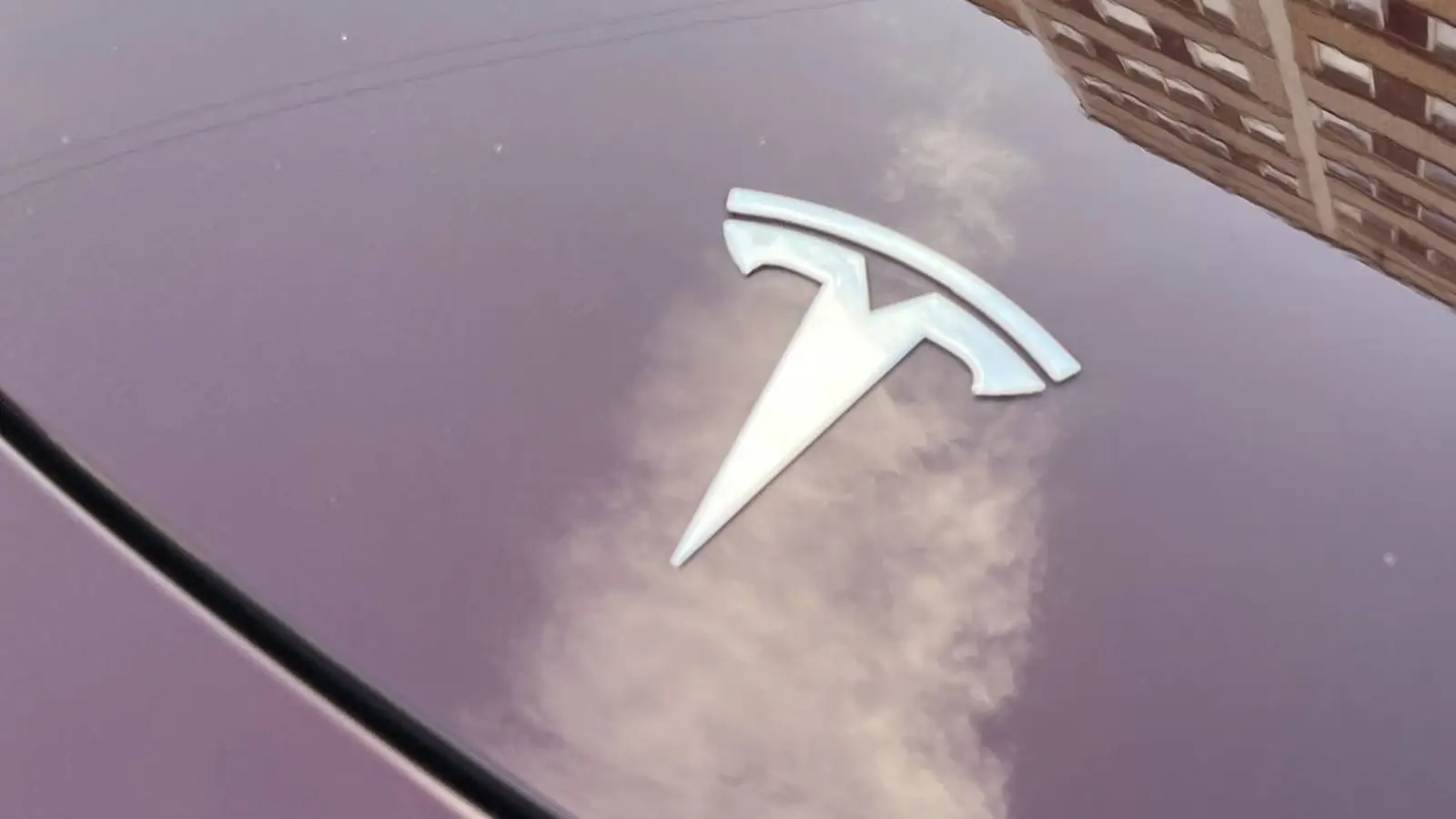
Dutch approval of Tesla’s Full Self-Driving system marked a breakthrough for Europe, but wider rollout is being slowed by national differences and an unresolved EU position.
2026-04-21T15:27:02+03:00
Tesla’s Full Self-Driving approval in the Netherlands was a significant moment for the European market, but rolling the technology out more broadly has proved more difficult than expected.Europe is split over self-driving technologyAfter the Dutch decision, a number of countries backed the launch of FSD. Belgium and Norway, in particular, have already shown they are prepared to allow the system onto their roads. France, however, has taken a hard line and has effectively rejected the technology in its current form, creating a sharp divide across the region.Key markets are still waitingGermany and Austria have yet to issue an official response, adding to the uncertainty. These countries have traditionally set the tone for automotive technology regulation, so their stance will be critical. Italy and Spain are also reviewing Tesla’s request, but appear inclined to follow the European Union’s lead. Final conclusions are not expected before the third quarter of 2026.Regulatory hurdles are slowing the rolloutThe main obstacle is the lack of a unified EU position. The European Commission has not yet reached a decision, and the review process is dragging on. Even where individual countries grant approval, FSD’s rollout will still depend on a complex network of national regulators, turning the market into a patchwork of different rules and restrictions.Tesla’s FSD case shows that Europe is not yet ready for a rapid deployment of autonomous technology. Despite the first breakthrough, the market is moving toward a fragmented model in which each country makes its own decision. That is slowing progress, but not stopping it — a full FSD launch in Europe still appears to be a matter of time.
Tesla, Full Self-Driving, FSD, Netherlands, Europe, autonomous driving, self-driving technology, automotive regulation, European Commission, Belgium, Norway, France, Germany, Austria, Italy, Spain
2026
Michael Powers
news
Tesla FSD faces a fragmented road into Europe after Dutch approval
Dutch approval of Tesla’s Full Self-Driving system marked a breakthrough for Europe, but wider rollout is being slowed by national differences and an unresolved EU position.
Michael Powers, Editor
Tesla’s Full Self-Driving approval in the Netherlands was a significant moment for the European market, but rolling the technology out more broadly has proved more difficult than expected.
Europe is split over self-driving technology
After the Dutch decision, a number of countries backed the launch of FSD. Belgium and Norway, in particular, have already shown they are prepared to allow the system onto their roads. France, however, has taken a hard line and has effectively rejected the technology in its current form, creating a sharp divide across the region.
Key markets are still waiting
Germany and Austria have yet to issue an official response, adding to the uncertainty. These countries have traditionally set the tone for automotive technology regulation, so their stance will be critical. Italy and Spain are also reviewing Tesla’s request, but appear inclined to follow the European Union’s lead. Final conclusions are not expected before the third quarter of 2026.
Regulatory hurdles are slowing the rollout
The main obstacle is the lack of a unified EU position. The European Commission has not yet reached a decision, and the review process is dragging on. Even where individual countries grant approval, FSD’s rollout will still depend on a complex network of national regulators, turning the market into a patchwork of different rules and restrictions.
Tesla’s FSD case shows that Europe is not yet ready for a rapid deployment of autonomous technology. Despite the first breakthrough, the market is moving toward a fragmented model in which each country makes its own decision. That is slowing progress, but not stopping it — a full FSD launch in Europe still appears to be a matter of time.