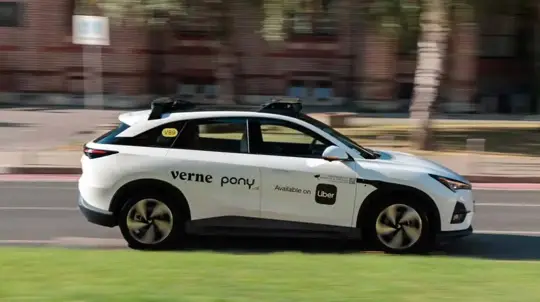
ADAC finds electric cars more reliable than combustion models
 © A. Krivonosov
ADAC’s 2026 breakdown data shows electric cars outperform petrol and diesel models on reliability, with fewer failures across all age groups.
Author: Nikita Novikov
Fresh ADAC data for 2026 shows that electric vehicles have become significantly more reliable than cars with internal combustion engines. Among four-year-old models, the breakdown rate stood at 6.5 per 1,000 vehicles, compared with 12.5 for petrol and diesel cars, underscoring a clear shift in the wider automotive landscape.
The analysis covered 158 models from 27 manufacturers and found a consistent advantage for EVs across every age group. The main reason is their simpler design: electric cars have fewer wear-prone components, especially in the transmission and fuel system.
Overall breakdown rates are also falling. In 2015, the probability of a breakdown for 10-year-old cars stood at 6.5%; by 2025, that figure had dropped to 3.1%. Even so, the total number of roadside assistance callouts rose to 3.7 million cases as the vehicle fleet aged.
The most common cause of failure remains the 12-volt battery, which accounts for nearly half of all cases. That applies to both EVs and combustion-engine cars. Electric models also show additional issues with on-board electronics. More complex control and energy management systems can at times become a source of faults, something that is especially noticeable on certain models.
Among three-year-old cars, the best performers were the BMW i3 with 0.4 breakdowns per 1,000 vehicles and the Tesla Model 3 with a result of 0.7. Among combustion cars, the leaders were the Mini and BMW X2, both at 0.8.
At the same time, a number of models showed a higher number of faults. These included the Toyota C-HR, RAV4, Corolla and Yaris Cross, while among EVs the Hyundai Ioniq 5 stood out due to identified issues with its power supply system.
This English edition was prepared using AI translation under editorial oversight by SpeedMe. The original reporting is by Nikita Novikov
Latest Stories