Volkswagen recalls nearly 39,000 Taos crossovers over fuel leak risk
 © volkswagen-newsroom.com
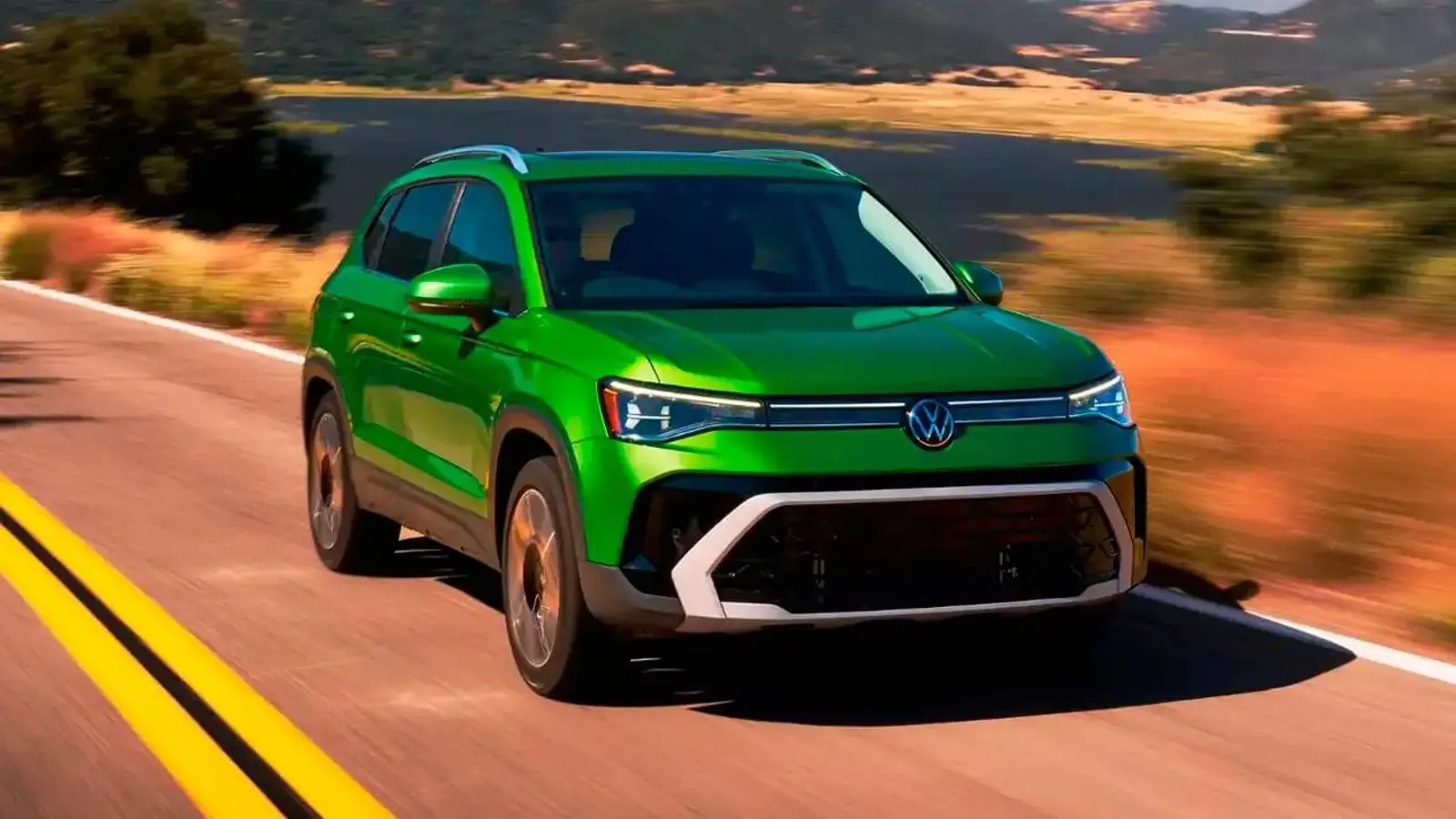
Volkswagen is recalling 38,710 Taos crossovers from the 2025 and 2026 model years in the US after crash testing revealed a potential fuel system safety issue.
Author: Dmitry Novikov
Volkswagen Group of America has announced a recall of 38,710 Volkswagen Taos crossovers from the 2025 and 2026 model years in the United States. The issue is a fuel pressure sensor that may disconnect after a severe rear impact, potentially causing a gasoline leak and failing to meet FMVSS No. 301 requirements. The campaign covers vehicles built from July 29, 2024, to April 14, 2026.
During a crash test conducted by Transport Canada, it was found that in a serious rear-end collision, tension in the wiring harness could shift or detach the fuel pressure sensor mounted on top of the fuel tank.
If the vehicle rolls over after such an impact, fuel may leak, increasing the risk of fire. Volkswagen has confirmed that the issue represents noncompliance with FMVSS 301.
The problem stems from a new fuel pressure sensor wiring harness, part number 2GJ.972.275, introduced for the 2025 model year. Its length proved insufficient, creating excessive tension when the body structure deforms. Volkswagen has not reported any crashes, fires or injuries linked to the defect.
Dealers will install an 80 mm wiring harness extension free of charge to reduce sensor tension in a crash. VIN numbers will be available for checking from April 29, 2026, and owner notifications are scheduled to begin by June 19, 2026.
The Taos is one of Volkswagen’s key compact crossovers in the North American market. The recall affects almost 40,000 vehicles and is tied not to an in-service failure, but to the outcome of an official crash test. It shows how even a small change in wiring length can affect compliance with safety regulations.
For owners, the key point is that the risk appears only in a severe crash followed by a rollover, but the repair is necessary to meet fire safety standards.
This English edition was prepared using AI translation under editorial oversight by SpeedMe. The original reporting is by Dmitry Novikov
Latest Stories