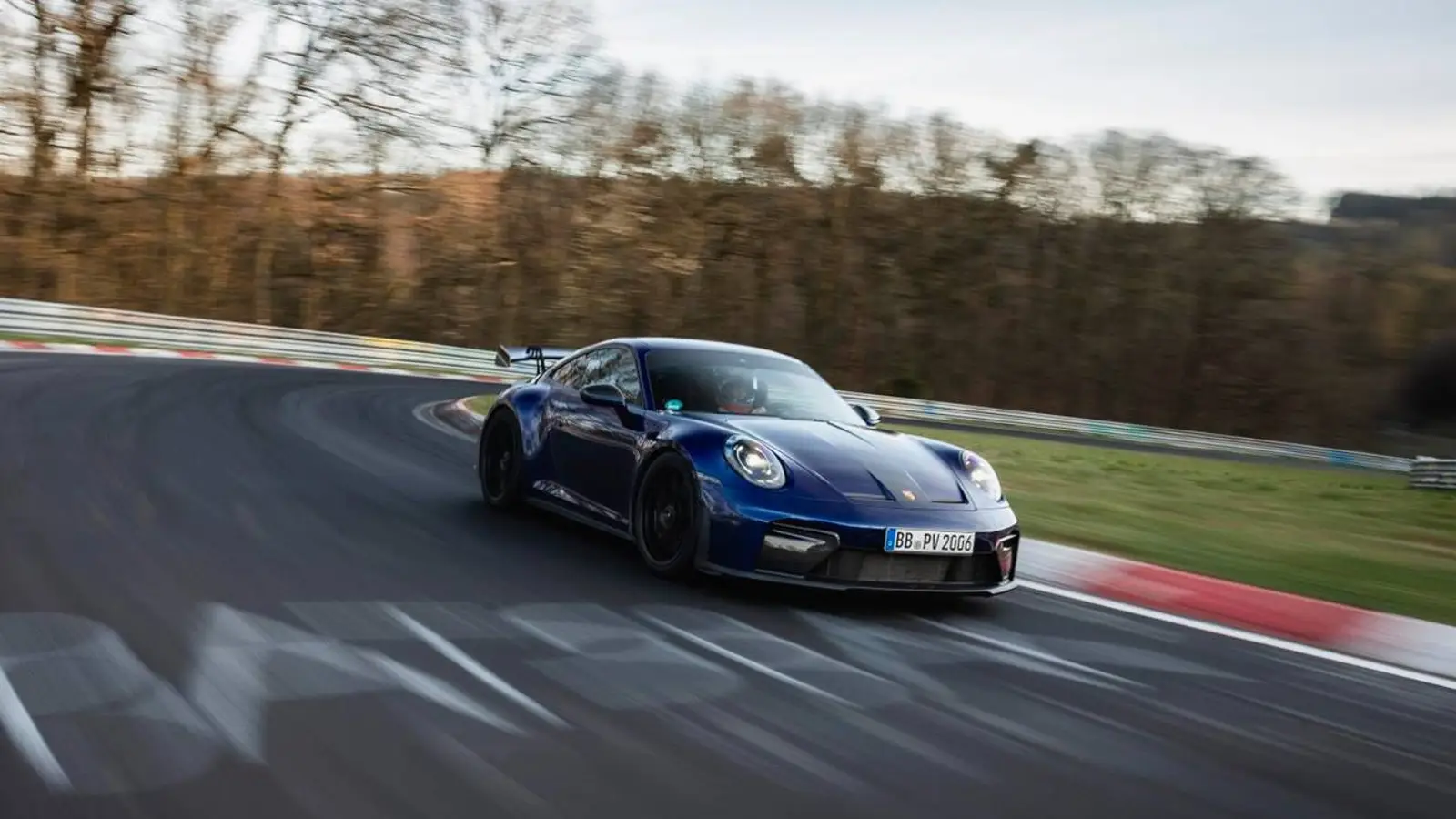
Porsche 911 GT3 could eventually switch to turbo power
 © newsroom.porsche.com
Porsche may have to move the 911 GT3 away from its 4.0-litre naturally aspirated flat-six as tightening EU emissions rules reshape the future of performance engines.
Author: Yulia Ivanchik
Porsche is leaving the door open for the 911 GT3 to move to a turbocharged engine in the future. Andreas Preuninger, head of the brand’s GT division, said the 4.0-litre naturally aspirated flat-six may remain viable in Europe for only a few more years.
The possible shift is being driven by tightening EU emissions regulations. By 2030, carmakers must cut emissions by 55% compared with 2021 levels, and by 2035 the reduction target rises to 90%. Those requirements directly affect the future of cars powered by naturally aspirated engines.
The picture is different in the United States, where softer rules should allow Porsche to keep the current engine in the range for longer. Developing separate versions of the model for different markets, however, is unlikely because of the high cost involved.
Even if turbocharging becomes necessary, Porsche intends to keep the internal combustion engine in the 911 for longer than in its other models. A fully electric 911 is not expected in the coming years.
As a result, even 2026 sports cars are being forced to adapt to new requirements, potentially changing some of their most traditional engineering solutions.
This English edition was prepared using AI translation under editorial oversight by SpeedMe. The original reporting is by Yulia Ivanchik
Latest Stories