Kia EV6 gets cheaper for 2026, but last year's car at the dealer might still be the better deal
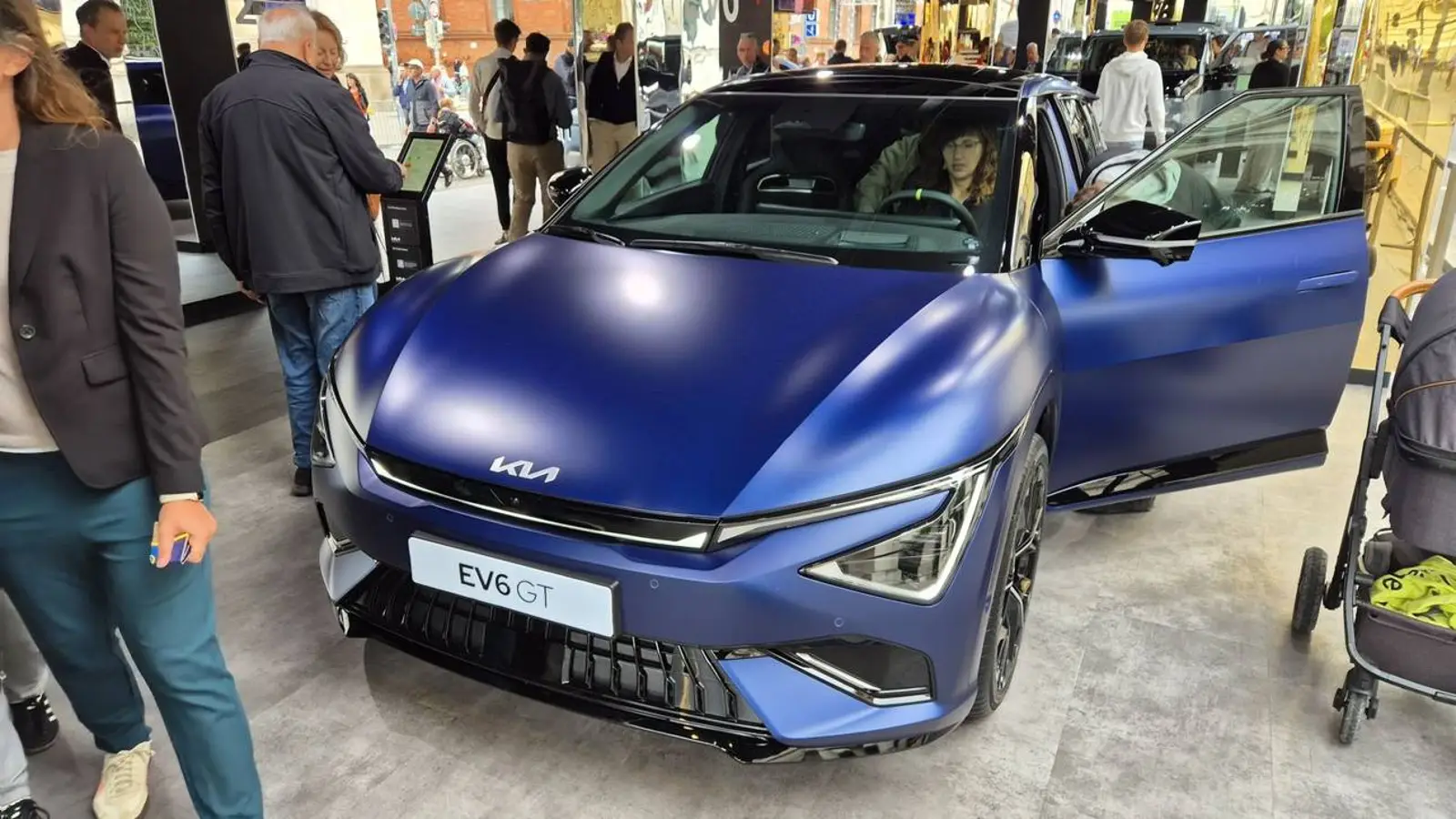
Kia has cut nearly $6,000 off the 2026 EV6, pushing the base Light below $38,000 and undercutting the rear-drive Tesla Model Y on paper.
2026-05-02T09:27:02+03:00
Kia is bringing the EV6 back into the conversation not with a new screen or a fresh promise, but with a sharper sticker. According to CarsDirect, which got hold of dealer ordering guides, the 2026 Kia EV6 has been cut by almost $6,000. The base Light trim now lands under $38,000, and in some configurations the price is closer to $37,000.
That's a meaningful line for the U.S. EV market. The average price of a new car in America is still hovering around $47,000, and electric models have struggled for years to settle below the psychological $40,000 mark. The EV6 now slips under the rear-drive Tesla Model Y, which starts at $39,990.
The cuts go well beyond the entry trim. The EV6 Light Long Range is down $5,000 to roughly $41,200. The Wind trim loses $5,500, landing around $44,800. GT-Line versions get the deepest reductions — up to $5,900 depending on drivetrain. The hot EV6 GT, however, is missing from the 2026 model year line-up: Kia has put it on hold indefinitely.
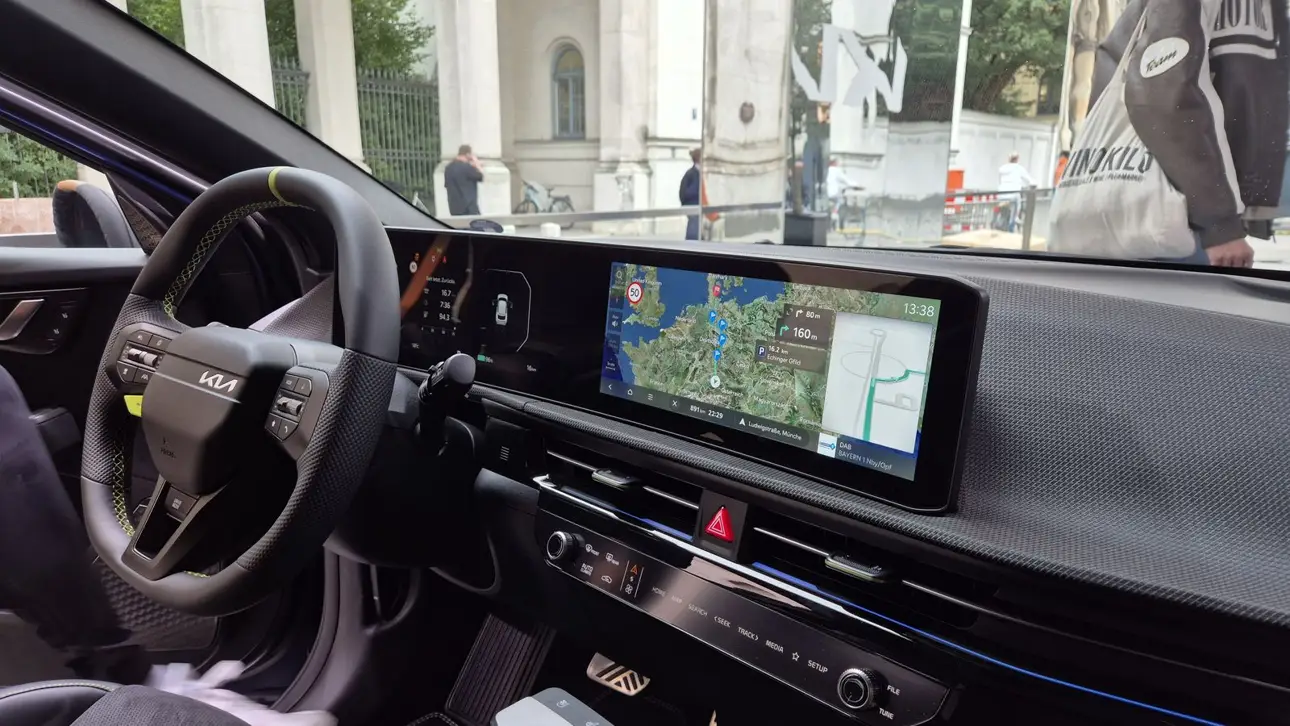
The pricing picture is trickier than it looks, though. The Hyundai Ioniq 5 is still cheaper at the entry level, around $35,000. The Ford Mustang Mach-E Select also undercuts the EV6, starting at $37,795. And dealers are pushing up to $10,000 in incentives on leftover 2025 EV6s, which means a year-old car on the lot can easily beat the new one on paper, even with the official 2026 list price.
The logic behind the cut is clear: U.S. demand for EVs has cooled, and buyers are looking past range to weigh monthly payments, insurance, incentives and resale value. On paper, the EV6 now reads stronger — especially against the Tesla Model Y.
From here, it's the dealers who decide. In the EV segment, the price on the website hasn't matched the price on the contract for a long time.
Kia EV6, 2026 Kia EV6, EV6 price cut, Tesla Model Y, Hyundai Ioniq 5, Ford Mustang Mach-E, US EV market, electric SUV, EV pricing, dealer incentives
2026
Michael Powers
news
Kia EV6 gets cheaper for 2026, but last year's car at the dealer might still be the better deal
Kia has cut nearly $6,000 off the 2026 EV6, pushing the base Light below $38,000 and undercutting the rear-drive Tesla Model Y on paper.
Michael Powers, Editor
Kia is bringing the EV6 back into the conversation not with a new screen or a fresh promise, but with a sharper sticker. According to CarsDirect, which got hold of dealer ordering guides, the 2026 Kia EV6 has been cut by almost $6,000. The base Light trim now lands under $38,000, and in some configurations the price is closer to $37,000.
That's a meaningful line for the U.S. EV market. The average price of a new car in America is still hovering around $47,000, and electric models have struggled for years to settle below the psychological $40,000 mark. The EV6 now slips under the rear-drive Tesla Model Y, which starts at $39,990.
The cuts go well beyond the entry trim. The EV6 Light Long Range is down $5,000 to roughly $41,200. The Wind trim loses $5,500, landing around $44,800. GT-Line versions get the deepest reductions — up to $5,900 depending on drivetrain. The hot EV6 GT, however, is missing from the 2026 model year line-up: Kia has put it on hold indefinitely.
The pricing picture is trickier than it looks, though. The Hyundai Ioniq 5 is still cheaper at the entry level, around $35,000. The Ford Mustang Mach-E Select also undercuts the EV6, starting at $37,795. And dealers are pushing up to $10,000 in incentives on leftover 2025 EV6s, which means a year-old car on the lot can easily beat the new one on paper, even with the official 2026 list price.
The logic behind the cut is clear: U.S. demand for EVs has cooled, and buyers are looking past range to weigh monthly payments, insurance, incentives and resale value. On paper, the EV6 now reads stronger — especially against the Tesla Model Y.
From here, it's the dealers who decide. In the EV segment, the price on the website hasn't matched the price on the contract for a long time.