Trump to raise tariffs on EU cars and trucks to 25%, threatening prices and jobs across European brands
 © whitehouse.gov
President Trump says he will raise import tariffs on EU cars and trucks to 25 percent, citing alleged non-compliance with the US-EU trade deal. European brands are exposed.
Author: Polina Kotikova
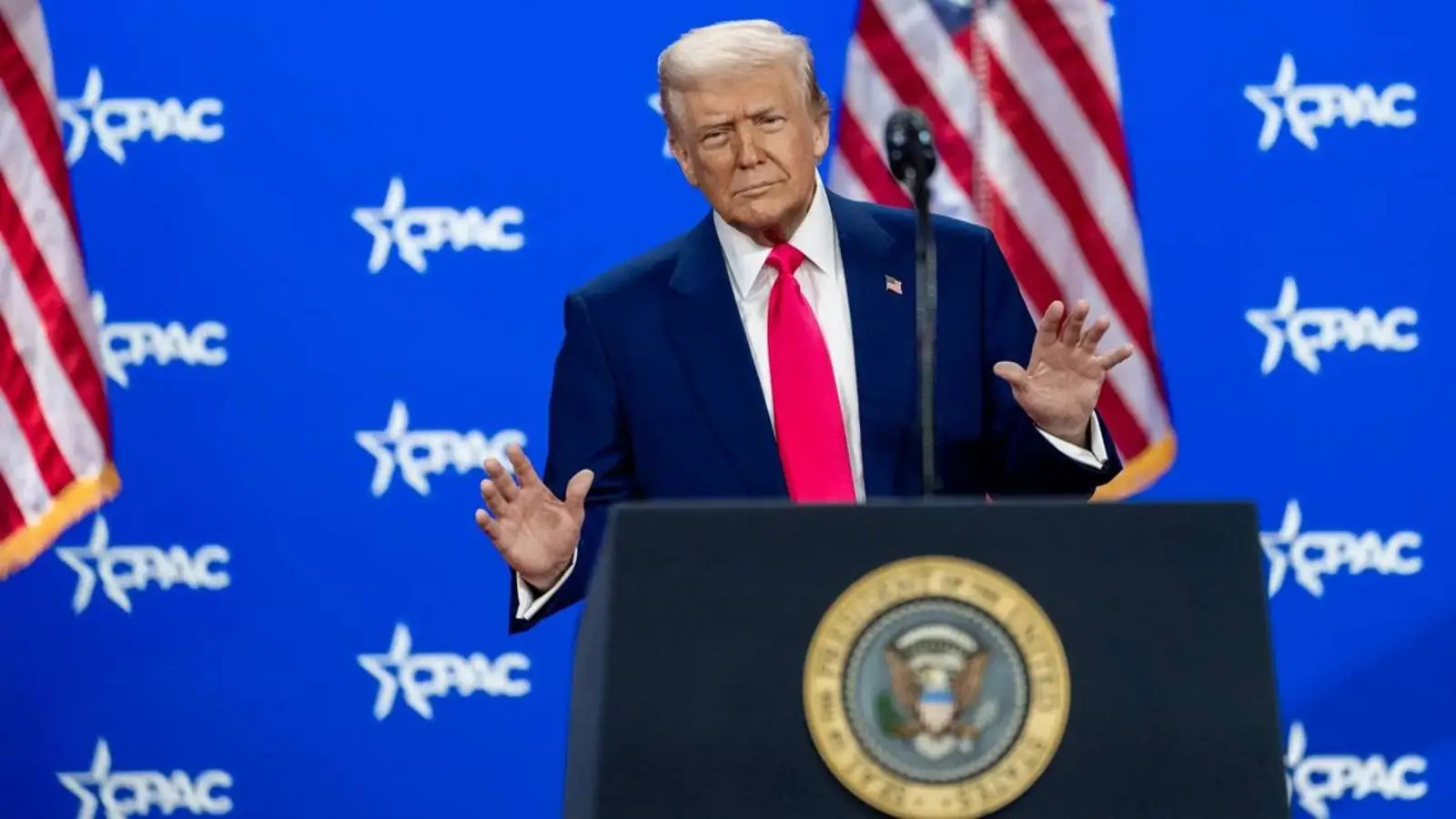
US President Donald Trump has said that starting next week he will raise tariffs on cars and trucks from the European Union to 25 percent. According to Reuters, the trigger, in the president's own words, is the EU's failure to honour its trade deal with Washington.
"Because the European Union is not living up to the trade agreement we fully agreed on, next week I will be raising the tariffs charged to the European Union for cars and trucks coming into the United States," Trump wrote on social media. He stressed separately that if the cars are produced in US plants, no tariff will apply.
Last year the US administration already imposed a 25 percent tariff on global car imports under national-security legislation. In August, the US and the EU then agreed to reduce the effective rate on European cars to 15 percent, factoring in prior duties. In return, the EU was supposed to drop tariffs on US industrial goods, including cars, and to accept American safety and emissions standards.
But the process in Brussels has dragged. EU lawmakers pushed the relevant changes through in March, yet final sign-off between national governments and the European Parliament is not expected before June.
European responses have been blunt. Bernd Lange, the chair of the European Parliament's international trade committee, called Trump's behaviour "unacceptable" and told Reuters that the United States looks like an unreliable partner. According to him, the EU must respond "with maximum clarity and firmness".
Carmakers have already felt the pressure. After Trump's announcement, Ford shares on the New York Stock Exchange dropped 2 percent, Stellantis 1.7 percent, and General Motors 1.5 percent.
For European manufacturers the risk is obvious: cars heading to the US from Europe could either become more expensive or lose margin. Mercedes-Benz already has substantial American capacity: in March the company announced $4 billion of investment into its Alabama plant through 2030, with total US commitments expected to reach $7 billion. Mercedes had earlier decided to shift GLC production from Germany to Alabama.
The United States is plainly pushing European brands to move manufacturing onshore faster. Trump said as much in plain terms: the new tariffs are meant to force carmakers to relocate factory capacity to the US "very quickly".
This English edition was prepared using AI translation under editorial oversight by SpeedMe. The original reporting is by Polina Kotikova
Latest Stories