What scares you about an EV after a month is usually no longer the battery
 © B. Naumkin
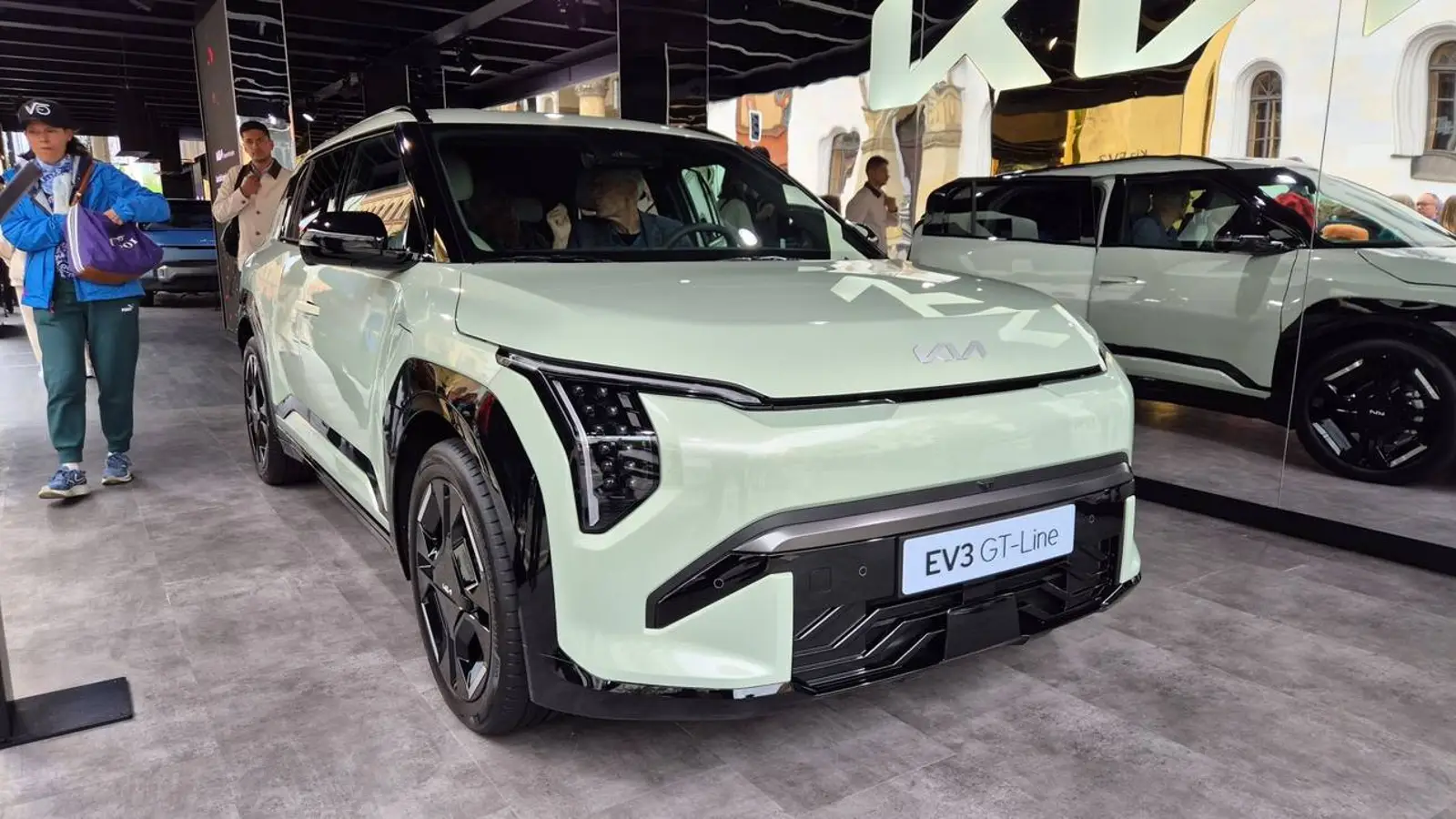
Switching to an EV is more about new daily habits than the powertrain. Real-world charging, range, costs and feel — explained on the example of the Kia EV3.
Author: Polina Kotikova
Switching to an EV is daunting not because of the powertrain, but because of a new daily routine. Instead of a fuel pump — a charger; instead of a fuel needle — battery percentage; instead of the familiar «fill her up» — the question of where and when to plug in. In the first days the driver typically watches the battery percentage more than the speedometer. Then the habit shifts: if the car spends the night plugged in, range stops being a daily problem. The question of how to choose the right EV was already covered by SPEEDME experts. Now let’s talk about the main fears before buying.
The first barrier is charging. It seems like a complicated process with different cables, apps and unobvious rules. At home everything is simpler: plug in in the evening — in the morning the car is ready. For our calculations we’ll take the Kia EV3 as an example of a modern mass-market electric crossover, but the logic is similar for many other EVs with a 60–80 kWh battery. A typical 7.4 kW wallbox will fully charge the Korean EV with its 81.4 kWh battery in roughly 11–13 hours, but in real life almost nobody runs the car down to zero. Usually it’s plugged in at 30–40% and brought up to 80–90%, which fits comfortably into a single night.
The second fear is «I won’t have enough range». Here it’s important not to trust the pretty WLTP figures alone. The Kia EV3 with the big battery claims 605 km, but in real-world conditions you usually get 420–500 km at a consumption of 16–19 kWh per 100 km. The version with the 58.3 kWh battery, instead of the catalogue 436 km, delivers about 320–380 km. For a daily 50–80 km that is more than enough: many owners charge once or twice a week rather than every night.
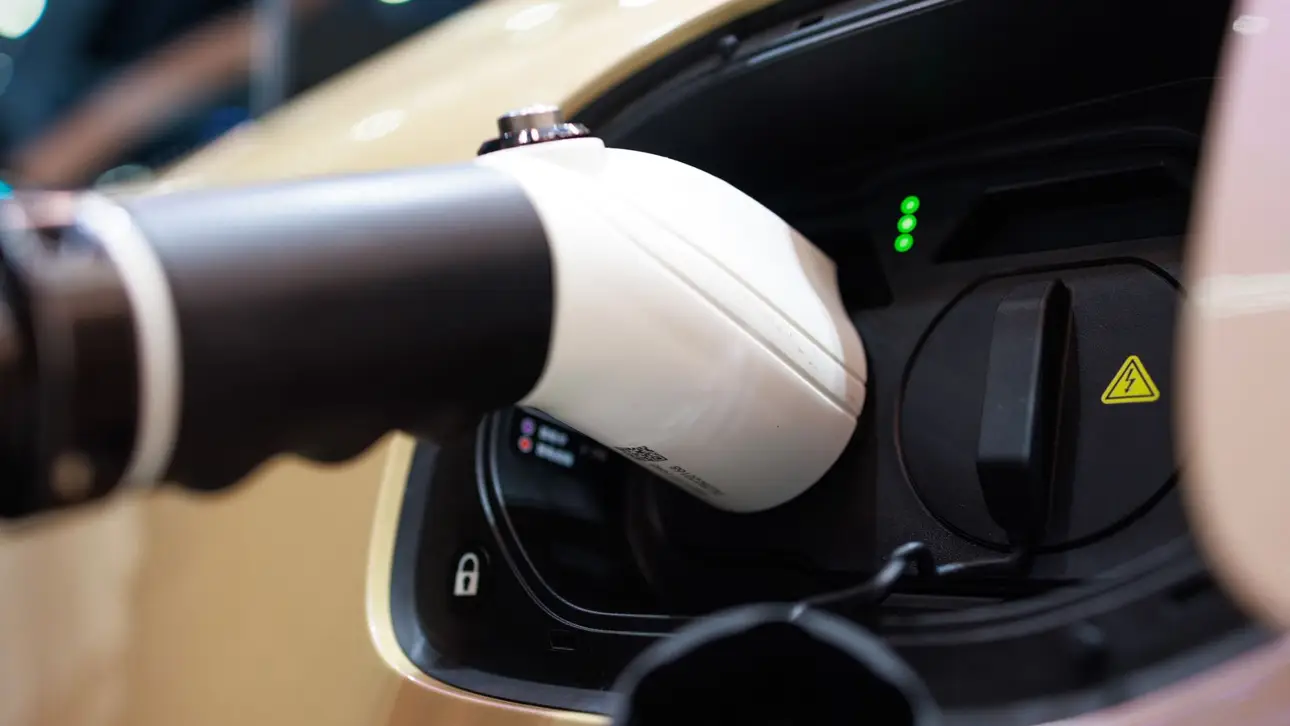
Long trips need a different habit but don’t turn into a quest. On a 600 km route, one fast stop is usually enough if you start with a full charge and drive without serious frost outside. On the same Kia EV3, charging from 10 to 80% at a 150 kW station takes about 31 minutes — roughly the time you spend on coffee, the bathroom and a stretch. In Europe, apps like Electromaps, A Better Route Planner and Plugshare help out: they show the stations, power, occupancy, prices and plan the route for your specific car.
With money the picture is also nuanced. An EV is more expensive to buy but cheaper to run. A night-time home charge of the big Kia EV3 battery may cost around 5–8 euros, and that’s enough for 420–500 km. In a petrol crossover such mileage will set you back roughly 35–45 euros. Fast public charging is more expensive — about 0.40–0.69 euros per kWh — but even then the running costs are often lower than fuel. On top of that, less servicing: no oil, no clutch, no timing belt, and the brakes last longer thanks to regenerative braking.
The most unexpected change is not just the bill for trips, but the very feel of the car. Regenerative braking quickly becomes second nature: you lift off the pedal, the car slows down and gives back some energy. After that an ordinary petrol car feels strange — as if it’s simply throwing inertia away.
The real question before buying an EV is not «will the battery die in a week», but where the car will spend most of its charging time. With charging at home or at work, fears quickly turn into a routine. Without it, an EV can still work, but the calculations have to be much more careful.
This English edition was prepared using AI translation under editorial oversight by SpeedMe. The original reporting is by Polina Kotikova
Latest Stories