No more lone-wolf engineering: how Ineos plans to speed up its next 4x4s
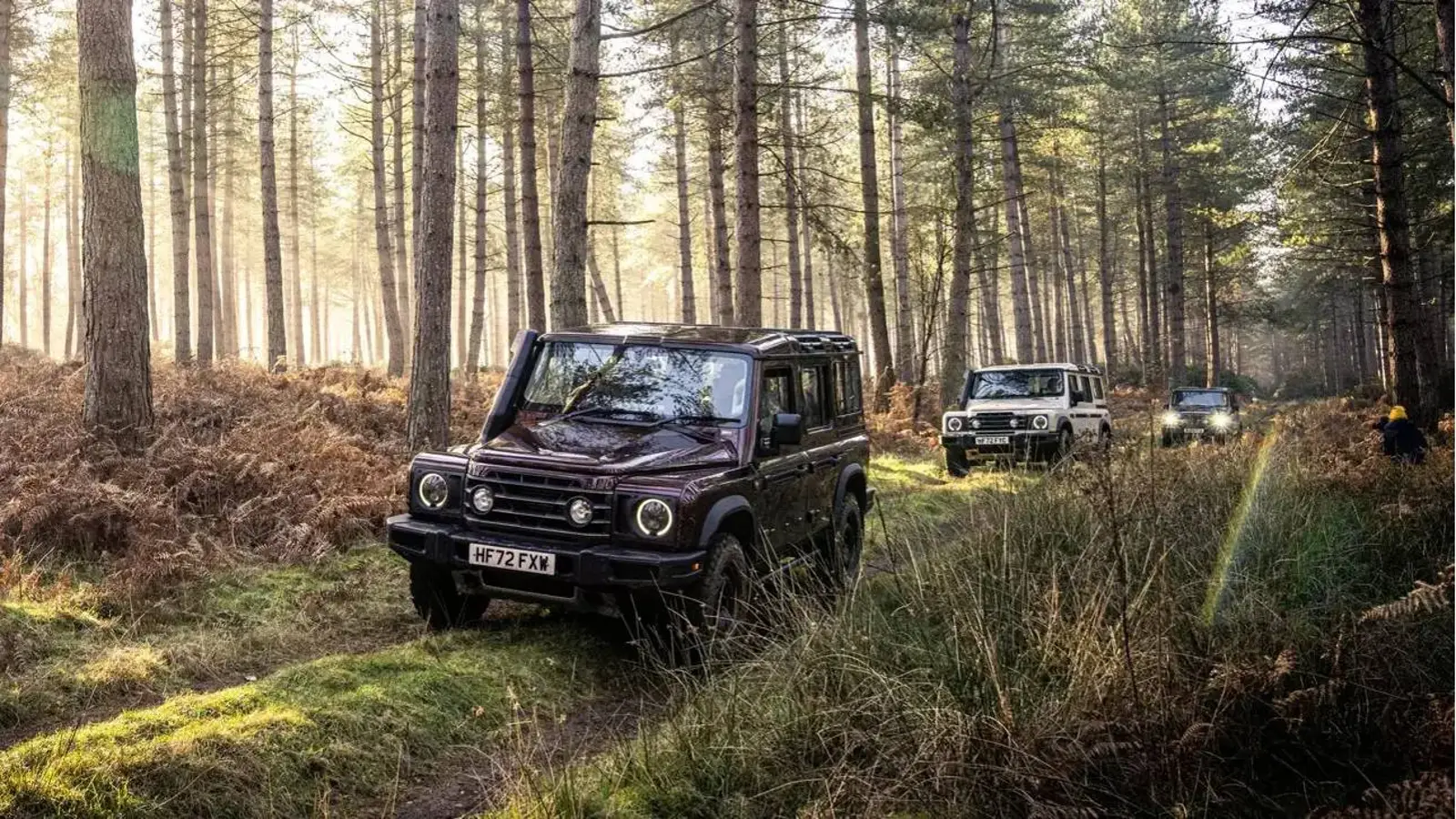 © ineosgrenadier.com
After the Grenadier, Ineos refuses to design new cars from scratch. The Fusilier and two more compact 4x4s will rely on partner platforms.
Author: Nikita Novikov
Ineos Automotive is changing how it approaches new models. After the Grenadier, the company no longer plans to build cars entirely from scratch — it’s too expensive, too slow and too risky for a small manufacturer.
Ineos boss Lynn Calder told Autocar that future models will be built around technology partners. “We’re not building any other cars from the ground up, like we did with the Grenadier,” she said.
The new task is different: lean on shared solutions and bring new vehicles to market faster. The first car under this new logic should be the Fusilier. Its launch has been pushed back, and the model is now expected “probably by 2028.” Two more models are planned after it. A short-wheelbase Grenadier is off the table: the company doesn’t want to seriously alter the platform or wheelbase. Instead, a separate, smaller off-roader is on the way.
For buyers, that could be good news. The Grenadier turned out solid and full of character, but expensive and niche. More compact 4x4s on a shared platform promise to be more affordable, more efficient and easier to live with in town — without sliding into generic crossover territory.
The main technical talking point is the range-extender powertrain. Autocar previously reported that Ineos had been in talks with China’s Chery about using a range-extender platform from off-road brand iCar, known outside China as iCaur. Ineos hasn’t commented, but the direction makes sense: Chinese makers are moving fast on this technology.
The point of a range-extender is that the car feels much like an EV but doesn’t leave drivers anxious about charging. Calder put it bluntly: “It’s technology that will get us the regulatory benefit but without the inconvenience to our customers, so we can still sell the cars they actually want to buy.”
Ineos has had a tough run. The brand was unveiled to the public in 2017, Grenadier production started in 2022, and the factory ended up not in Wales but in Hambach, France — on the former Smart site bought from Mercedes. The plant has a capacity of 30,000 vehicles a year, a number Ineos hasn’t come close to yet.
The pandemic, problems with seat supplier Recaro Automotive and a hike in US tariffs all got in the way. And yet the US has become the company’s biggest market: it accounts for 65% of sales of the Grenadier and related models, including the Quartermaster pickup. Since production started, Ineos has delivered around 35,000 vehicles in total.
Now the company wants to sidestep some of those US duties and start building some models in the United States before the end of 2030. For Ineos, this is no longer a romantic “DIY new Defender” project but a harder-nosed calculation: surviving next to the big brands takes more than one stubborn off-roader.
This English edition was prepared using AI translation under editorial oversight by SpeedMe. The original reporting is by Nikita Novikov
Latest Stories