Jeep's PTU saga drags on: another 61,711 Cherokees recalled
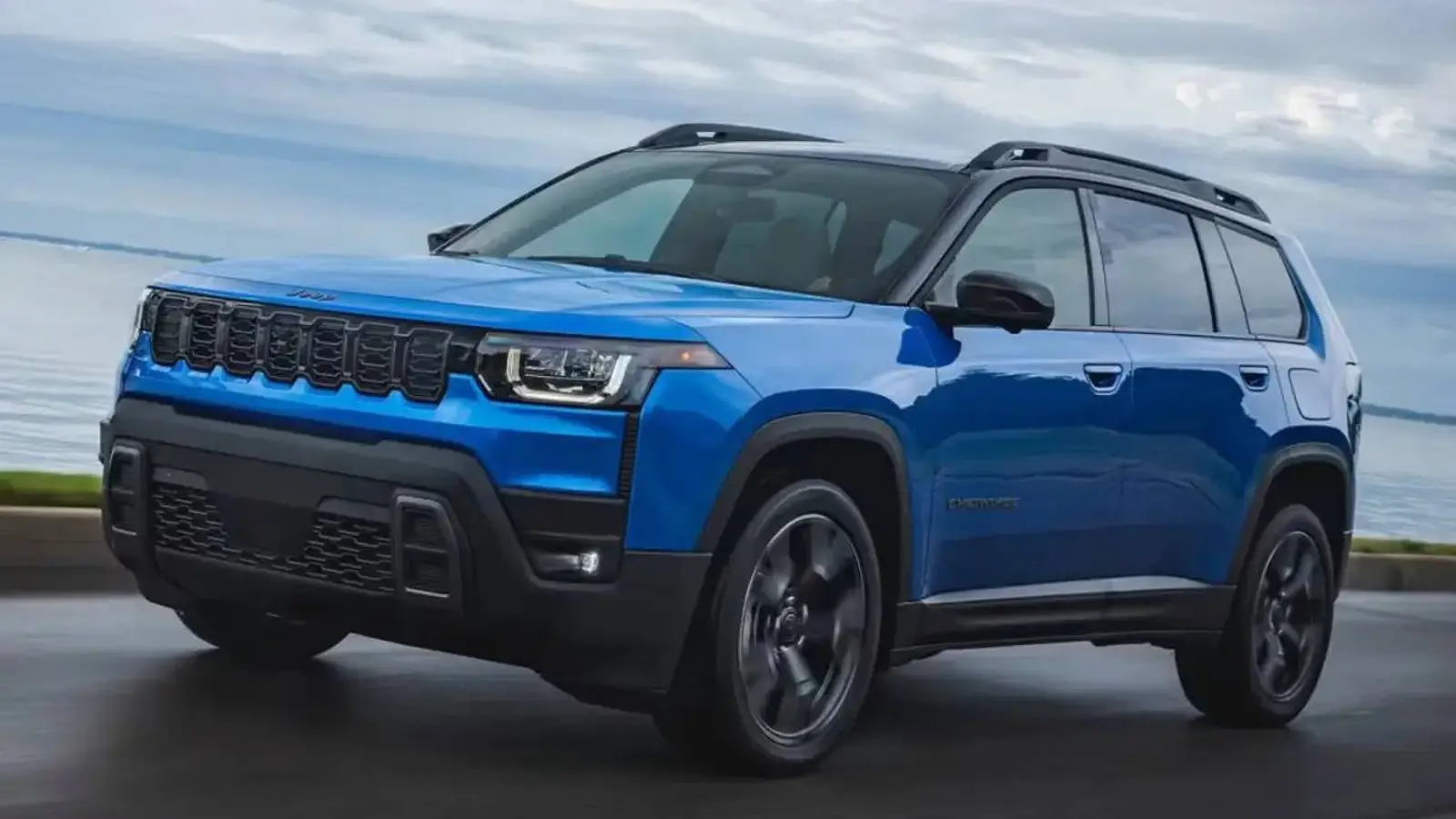 © media.stellantis.com
The 2019–2023 Jeep Cherokee may suffer an internal power transfer unit failure, leading to loss of drive and rollaway risk in Park. Owners get interim letters on June 25–26, 2026.
Author: Nikita Novikov
Stellantis has announced a recall of 61,711 Jeep Cherokee KL-generation SUVs in North America. The campaign covers 2019–2023 model-year cars built at the Belvidere Assembly plant in Illinois.
The issue lies in the two-speed PTU — the power transfer unit that bolts to the automatic transmission and routes torque to the rear axle through a driveshaft. In effect, it’s a compact transfer case for a transverse platform, where the vehicle spends most of its time as a front-wheel drive.
The danger is that the PTU can fail internally. Suspected causes include bearing wear, lubrication breakdown, leaking seals, gear wear and overheating. If it fails, the driver can lose drive power — and that’s an immediate crash risk. There’s a second nasty scenario as well: a Cherokee with a faulty PTU can roll away even after the driver selects Park.
According to Stellantis, 387 warranty claims, 16 service records and 5 field reports potentially linked to the problem have been logged worldwide. The company is also aware of one crash and one injury.
A final fix isn’t ready yet. Owners will receive interim notification letters on June 25–26, 2026, and Stellantis hasn’t announced a timeline for the permanent repair.
This story has been running for a while. Back in 2020, Jeep already launched a Cherokee campaign over potential input-spline wear. Dealers reflashed the drivetrain control module and the electronic parking brake software so that, in the event of a failure, the car could keep drive through the rear wheels and stay put when parked.
The Cherokee KL went out of production in February 2023, and the new KM generation arrived in 2025 as a 2026 model. But for owners of the older cars, the generational change matters less right now than something else: wait for the letter and don’t ignore the warning signs — noises, jolts, overheating or odd all-wheel-drive behaviour.
This English edition was prepared using AI translation under editorial oversight by SpeedMe. The original reporting is by Nikita Novikov
Latest Stories