Nissan recalls 19,077 2021-2022 Leaf EVs over DC fast charging overheating risk
 © A. Krivonosov
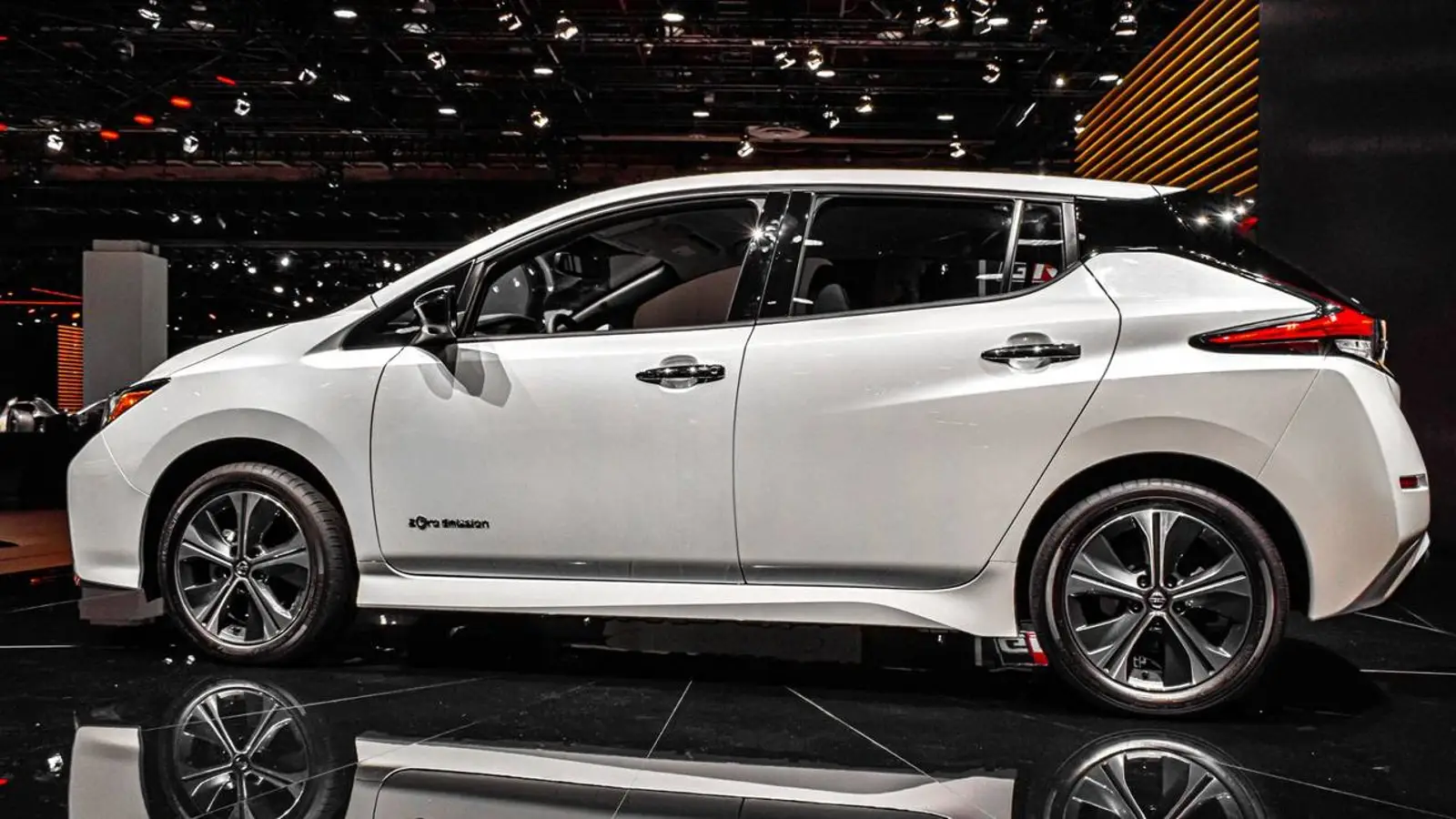
Nissan recalls 19,077 2021-2022 Leaf EVs for battery overheating during DC fast charging. Owners should use Level 2 charging until a software update arrives.
Author: Diana Degtyareva
Nissan North America has announced a recall of 19,077 2021 and 2022 Leaf electric cars sold in the United States due to a risk of lithium-ion battery overheating during Level 3 (DC fast) charging. According to the National Highway Traffic Safety Administration (NHTSA), packs using AESC cells can develop abnormal lithium deposits that raise internal resistance and lead to overheating.
The issue affects both the standard 40-kWh and the 62-kWh batteries installed in vehicles built from June 15, 2021, to May 23, 2023, at the Smyrna, Tennessee plant. Owners are advised to avoid fast charging until Nissan rolls out a software update intended to reduce the likelihood of overheating. It’s a cautious, sensible step that puts risk mitigation ahead of convenience.
The company plans to begin mailing notifications on October 24, 2025. The recall does not cover the 2026 Nissan Leaf, already built on the AmpR Medium platform and fitted with a safe 75-kWh battery rated for up to 488 km of range—an important distinction that highlights how the latest iteration is engineered differently.
For earlier models, the risk of a “thermal event” remains in focus, and Nissan recommends using only Level 2 charging stations until the issue is addressed.
This English edition was prepared using AI translation under editorial oversight by SpeedMe. The original reporting is by Diana Degtyareva
Latest Stories