China splits the electric family: pure EVs keep the tax break, hybrids start paying
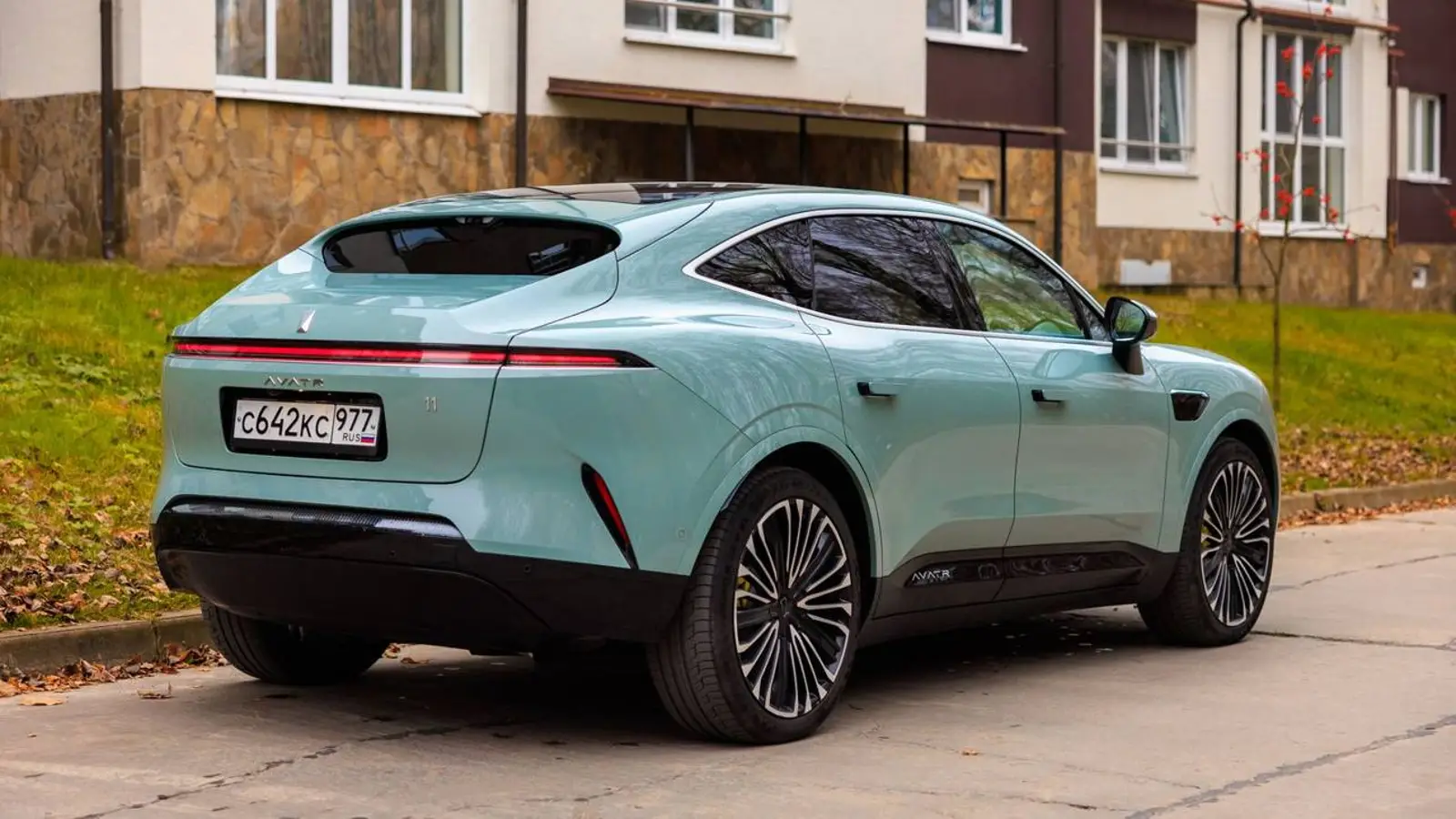 © A. Krivonosov
From 2027 China drops the annual vehicle and vessel tax exemption for PHEVs, EREVs and electric commercial vehicles, while battery-electric passenger cars keep their zero rate — a signal that the NEV market has matured.
Author: Nikita Novikov
China is starting to pull away the tax props in a market where electrification has already gone mainstream. From 1 January 2027, plug-in hybrids, EREVs, electric commercial vehicles and hydrogen fuel-cell commercial vehicles will no longer be exempt from the annual vehicle and vessel tax. Battery-electric passenger cars are left out of this adjustment.
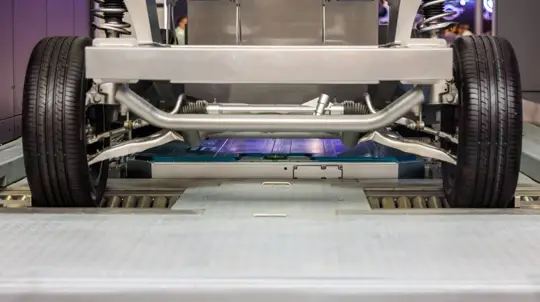
According to the Chinese regulator, the reason is both technical and fiscal at once: BEV passenger cars have no combustion engine and therefore no engine displacement, which is what this levy is tied to. So the largest segment of China’s NEV market effectively keeps a zero rate, while combustion-engined hybrids will start paying under the general rules set by the provinces.
The tax itself doesn’t look huge for an ordinary passenger car. A vehicle with an engine larger than 1.6 L and up to 2.0 L, for instance, pays 360–660 yuan a year — about $53–97. But what matters is not the size of the payment, it’s the signal: China no longer treats every NEV as one uniformly privileged category. For plug-in hybrids and EREVs this is a blow to the «almost an EV» image, especially in the premium segment.
China’s Ministry of Finance frames the decision as a sign of market maturity. In 2025 NEV sales in China reached 16.49 million units, and their share topped 50% of domestic sales. By May 2026 the retail share of NEVs had already climbed to 62.9%, according to CPCA. Once a technology becomes the norm, the state gradually brings taxes back to where it once stimulated demand.
There is a social argument too. The average price of a PHEV or EREV in 2025 was 218,000 yuan — about $32,110 — and some models cost more than 1 million yuan. Against that backdrop the authorities speak plainly of tax fairness: expensive electrified cars remain high-value property even if they burn less fuel.
For the market, this may pull BEVs and hybrids a little further apart in positioning. Battery-electric passenger cars keep their tax advantage, while PHEVs and EREVs will now have to sell not just on incentives but on real benefits: range, consumption, price, charging convenience and the absence of range anxiety on long trips. For BYD, Li Auto, Aito, Geely and the rest it’s unpleasant but not critical: the payment itself is small, yet the marketing formula of a «privileged NEV» becomes less universal.
China shows that once a market saturates, the state almost inevitably starts counting not just the ecology but the revenue it is forgoing.
Electric cars in China haven’t lost support. The authorities have simply, for the first time, drawn a clear line between a pure EV and a hybrid that still carries an ordinary tax argument under the hood.
This English edition was prepared using AI translation under editorial oversight by SpeedMe. The original reporting is by Nikita Novikov
Latest Stories