German auto plants and Chinese brands 2026: which factories could open up
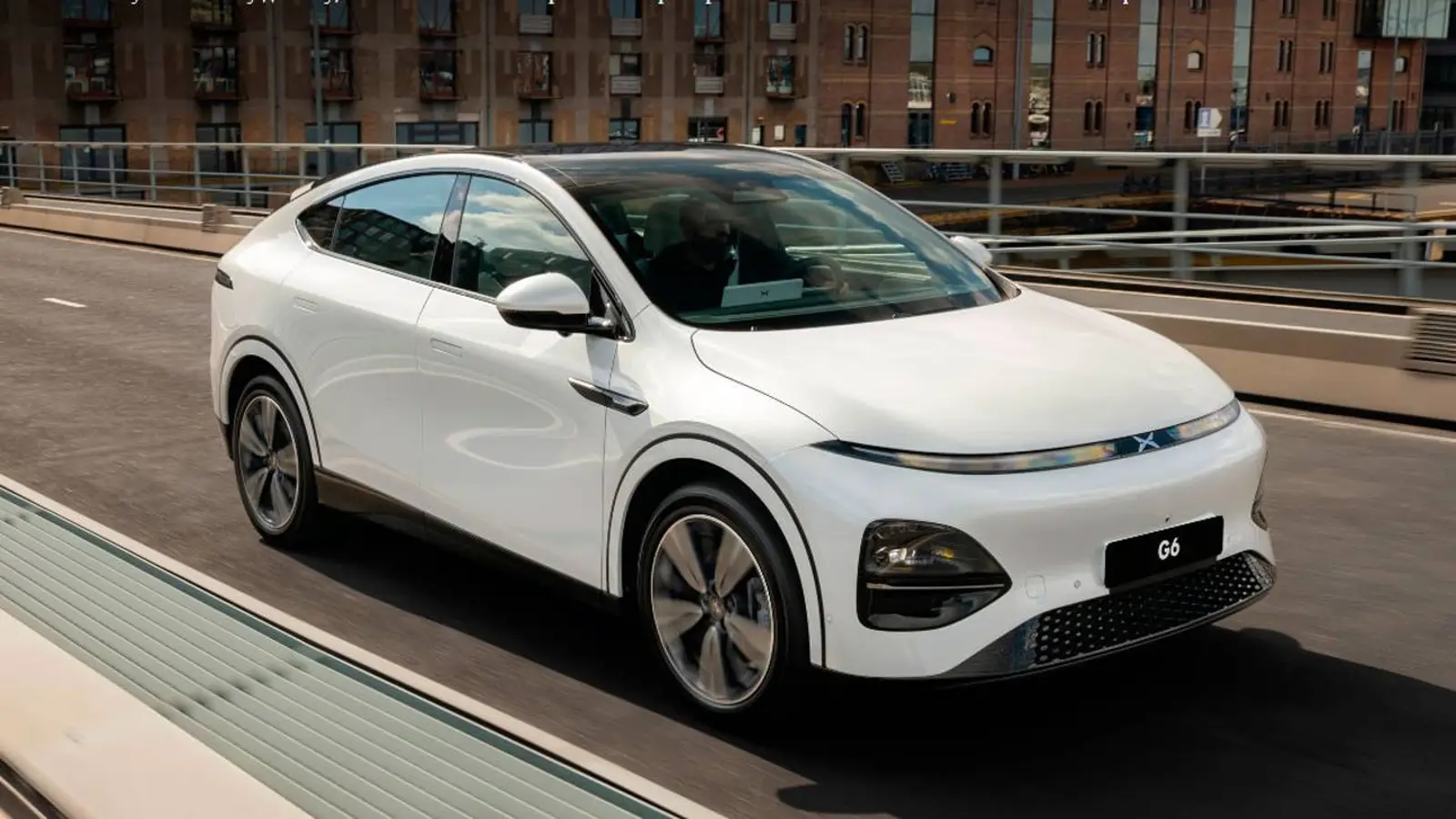 © xpeng.com
VDA chief Hildegard Müller says Germany can’t save every plant the old way — opening factories to Chinese brands is now on the table.
Author: Yulia Ivanchik
Germany’s car factories may soon start building vehicles from Chinese brands. Hildegard Müller, president of the German Association of the Automotive Industry (VDA), has acknowledged that keeping every existing plant and job intact through the old playbook is no longer realistic. She pointed to expensive energy, high taxes, heavy bureaucracy and rigid labor market rules as the main culprits.
One option the VDA is weighing is opening German and European production sites to foreign companies. That could mean either German-brand models developed in China, or vehicles from Chinese marques themselves. The approach would let automakers fill idle production lines without building new factories.
The problem is especially acute for Volkswagen. According to the report, average utilization at the group’s German plants could slide from 81% in 2026 to 73% by the end of the decade. At the Zwickau plant, the figure risks dropping from 88% to 42% — Saxony’s economy minister has already floated finding a Chinese partner for the plant. One option now under consideration is shifting production of models developed for the Chinese market to Europe.
Chinese companies are also eyeing spare European capacity. BYD has confirmed talks with Stellantis and other manufacturers, Xpeng has arranged European assembly at Magna’s plant in Graz, and Leapmotor is working with Stellantis — Leapmotor has already taken over a Stellantis plant in Madrid for its own assembly. This doesn’t yet mean a mass shift of German factories to Chinese models, but the old formula for Europe’s auto industry is clearly starting to change.
This English edition was prepared using AI translation under editorial oversight by SpeedMe. The original reporting is by Yulia Ivanchik
Latest Stories