BMW Landshut humanoid robot software 2026: what the AI “brain” project covers
 © press.bmwgroup.com
BMW Group is developing software that lets humanoid robots recognize parts and choose actions on their own, starting at its Landshut components plant.
Author: Polina Kotikova
BMW isn’t rolling out an army of humanoid workers at its Landshut plant. The site has been given a different task — developing software “brains” that let various robots recognize parts, assess their surroundings and choose the right action on their own. Real operations will first be tested in simulation and dedicated test zones, without touching ongoing production.
The project is built on open software platforms and Vision-Language-Action models. They combine camera imagery, understanding of text or voice commands, and the robot’s physical movement. The approach is meant to let a learned skill transfer between different machines, rather than programming each humanoid separately for a single task.
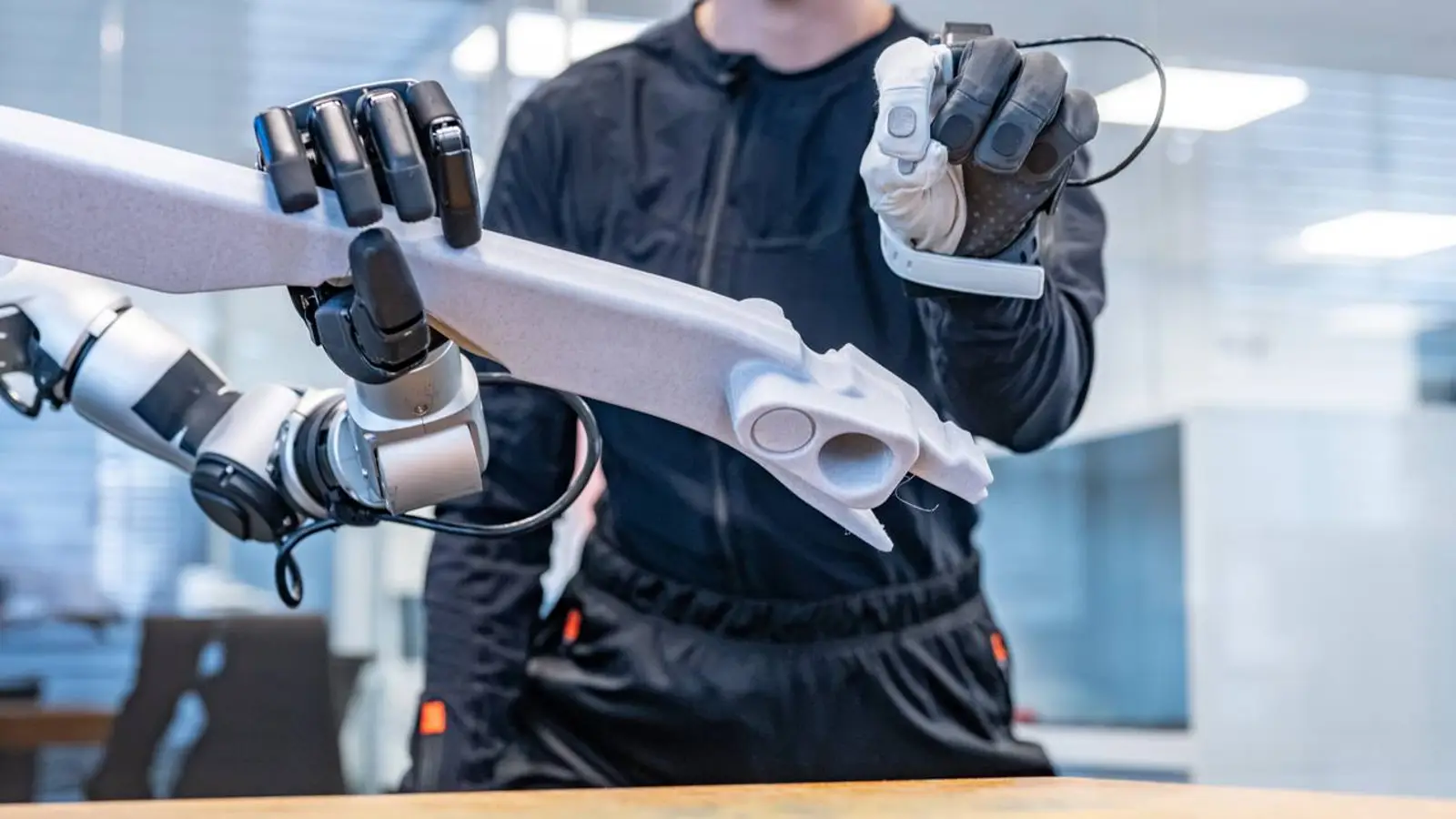
Training will resemble showing a new employee the ropes. A person performs the required sequence, while cameras, a motion-capture suit and special gloves record the position of the body and hands. That data is then turned into a behavioral model: the robot has to learn to locate a component, plot a trajectory, grip it precisely and move it without damage.
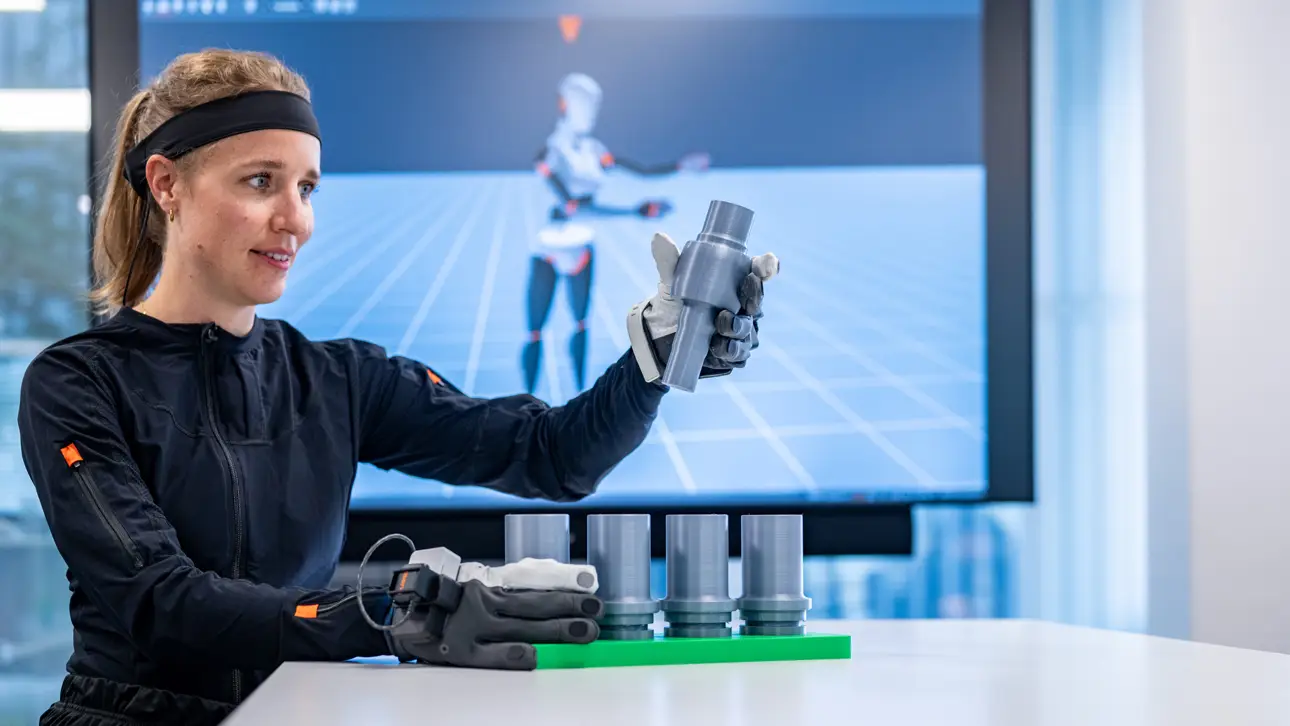
Landshut wasn’t picked at random. It’s BMW’s largest components plant: about 3,800 employees produce cast parts, suspension and body components, electronics, plastic panels, carbon-fiber parts, cockpits, engines and drive shafts for nearly every brand in the group. That variety of processes makes it easy to test where a humanoid actually beats a conventional industrial arm.
BMW already has a result to measure the new program against. In Spartanburg, the Figure 02 robot helped build more than 30,000 BMW X3s over ten months: it moved over 90,000 body components and logged around 1,250 hours of work. The more advanced Figure 03 is now being prepped for component-sorting tasks, while at the Leipzig plant the AEON robot is being trialed on high-voltage battery assembly.
Robots at BMW plants are already used outside the assembly line, too. SPEEDME.RU previously covered the four-legged SpOTTO robot, which inspects equipment at an engine plant and gathers data for the facility’s digital model. Now the company is moving from inspecting facilities to more complex parts-handling operations.
Rivals are moving the same way: Hyundai is preparing its humanoid Atlas for its own plants, whose capabilities we covered after its production debut at CES 2026.
BMW hasn’t given a timeline for bringing Landshut’s developments into series production, nor announced any staff cuts. For now the project’s goal is more pragmatic: figuring out which flexible, repetitive or physically demanding tasks a humanoid can perform reliably, safely and with the required precision.
This English edition was prepared using AI translation under editorial oversight by SpeedMe. The original reporting is by Polina Kotikova
Latest Stories