2026 Mazda3 and CX-30 Facelift: Price, e-SKYACTIV G 2.5 Engine and New Features
 © mazda.jp
Mazda has opened orders in Japan for the refreshed Mazda3 and CX-30, adding the e-SKYACTIV G 2.5 engine and a broader safety suite.
Author: Dmitry Novikov
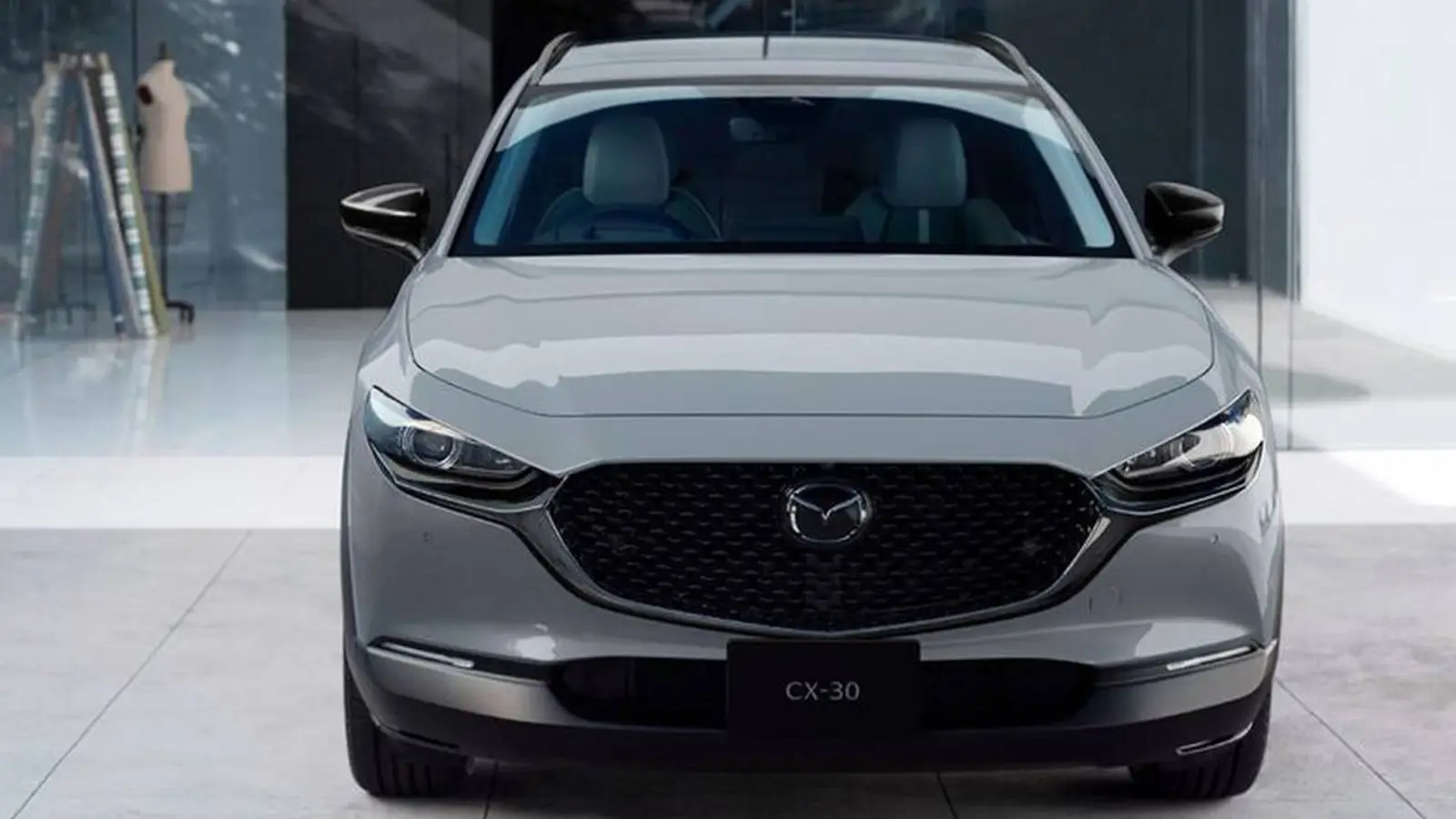
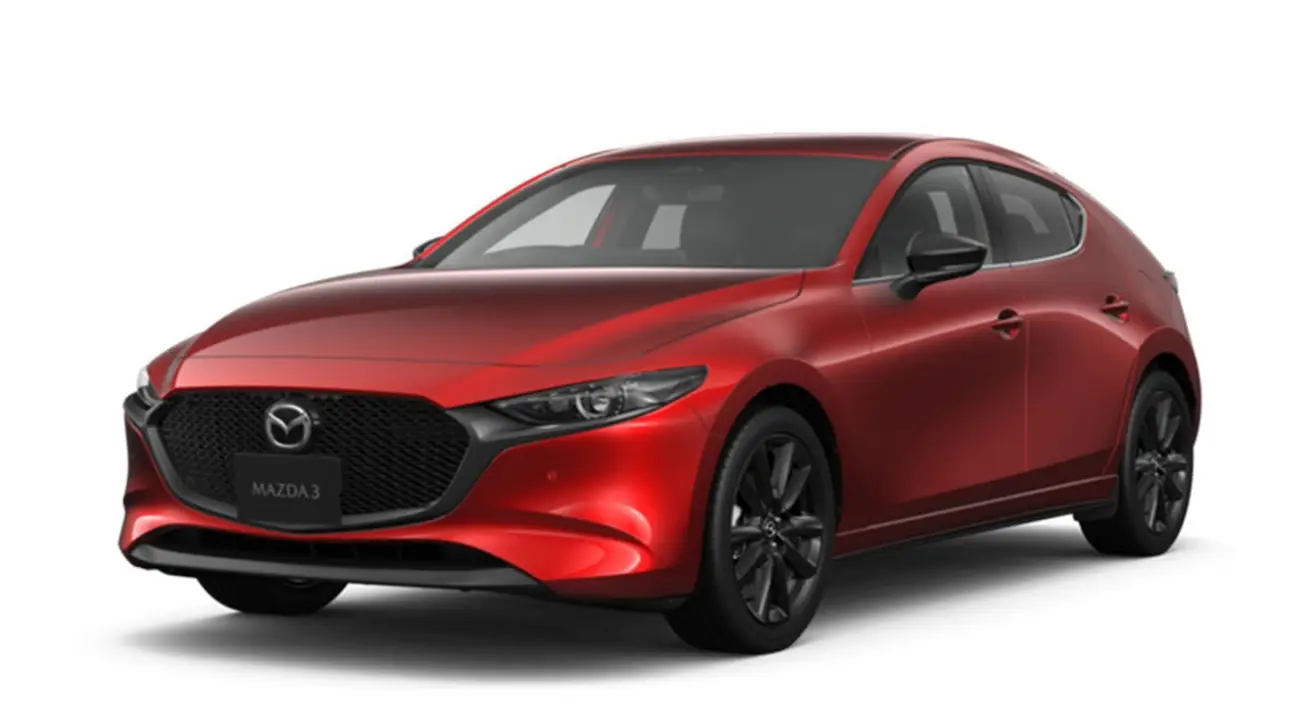
Mazda has begun taking orders in Japan for the updated Mazda3 and CX-30, with sales starting in August 2026. The Mazda3 starts at 2.365 million yen (about $14,470), while the CX-30 starts at 2.64 million yen (about $16,150). These are Japanese domestic prices, excluding delivery, customs duties and recycling fees.
The main technical change is the arrival of the e-SKYACTIV G 2.5. The naturally aspirated engine produces 179 hp and 238 Nm, with an accompanying starter-generator adding 6.5 hp and 60.5 Nm. The Mazda3 Fastback offers front-wheel drive with a six-speed manual or automatic, while the all-wheel-drive version comes only with the automatic. The sedan keeps front-wheel drive paired with a six-speed automatic.
The CX-30 with the new engine is available with front- or all-wheel drive and a six-speed automatic. Neither model’s published Japanese lineup lists the previous 1.8-liter diesel anymore: Mazda is betting on gasoline engines with mild hybrid assistance and keeps the e-SKYACTIV X for the hatchback.
The driver-assistance suite has been brought closer to that of the larger CX-60 and CX-80. The blind-spot monitor now warns of hazards when opening doors, automatic braking recognizes motorcycles and intersection threats, and adaptive cruise control can factor in road signs. Lane-keeping and matrix LED headlights have also been improved.
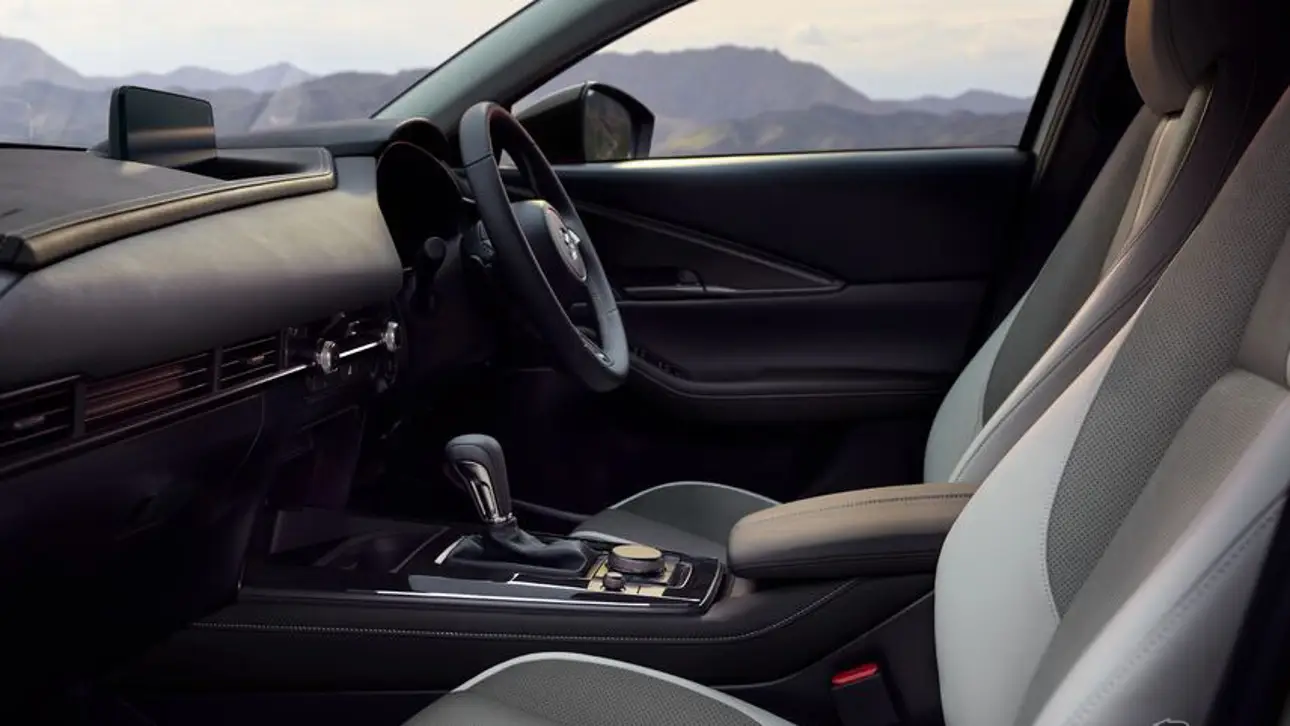
The CX-30 lineup gains an Air Edition with a light gray cabin, water-repellent trim and black exterior elements. Some versions now get ventilated front seats, a 360-degree camera with a “see-through” mode, and overhead console lighting. we previously covered the CX-30 getting ventilated front seats, and also broke down the trims and the most rational CX-30 version with the 2.5-liter engine.
For now, the update applies only to the Japanese market. Mazda’s release gives no timeline for bringing these versions elsewhere, so outside Japan they would only arrive through independent importers. In that scenario, the low Japanese sticker price stops being the main advantage — landed cost and service availability become the deciding factors.
This English edition was prepared using AI translation under editorial oversight by SpeedMe. The original reporting is by Dmitry Novikov
Latest Stories