China Robotaxi Licenses 2026: Momenta Gets Shenzhen Testing Permit After Baidu Suspension
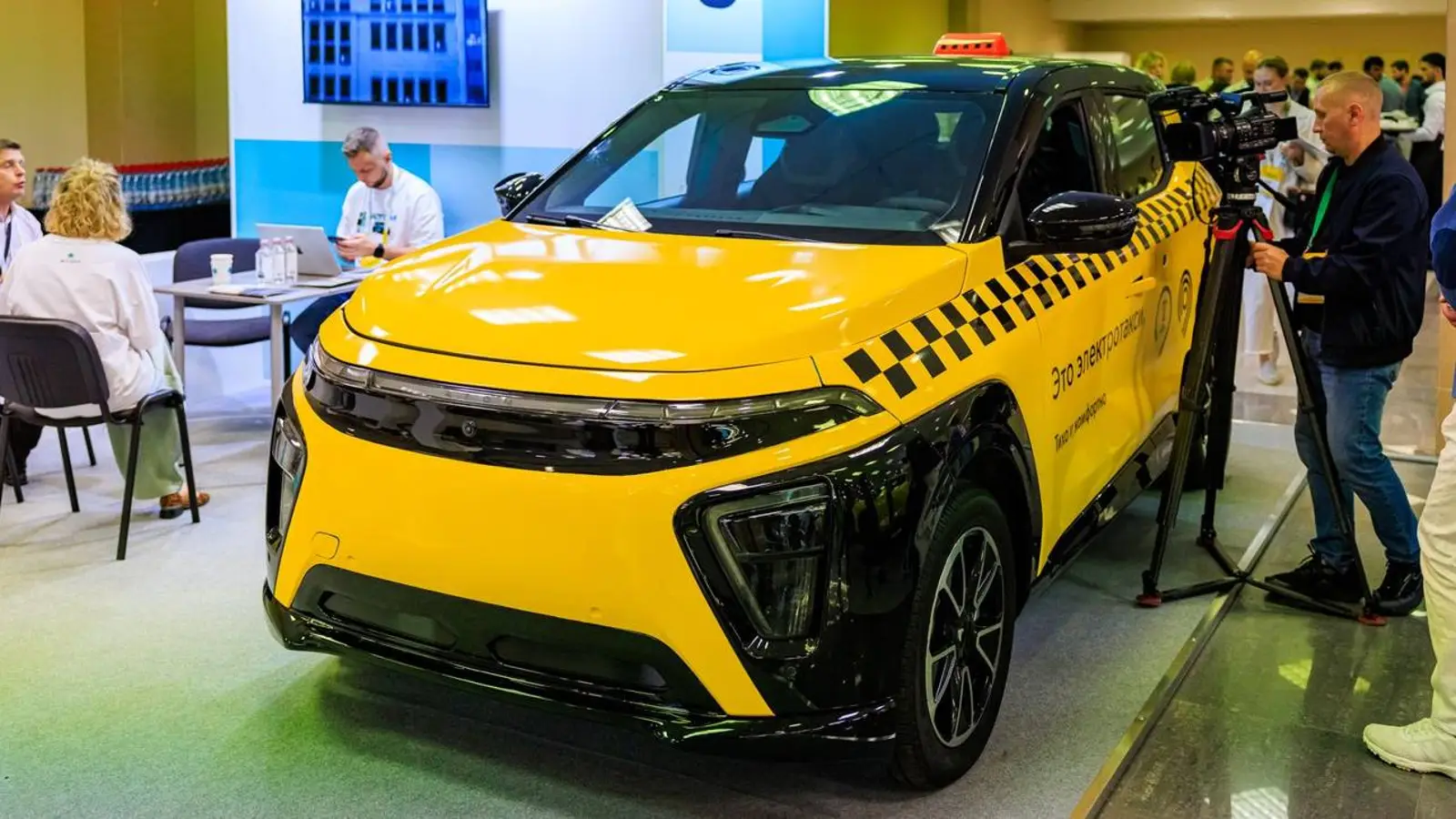 © A. Krivonosov / SPEEDME
Momenta becomes one of the first to get a new robotaxi testing license in China, as regulators cautiously restart approvals three months after Baidu’s Apollo Go mass malfunction in Wuhan.
Author: Polina Kotikova
China has begun gradually restoring robotaxi testing permits after a nearly three-month freeze triggered by a mass malfunction of Baidu’s Apollo Go fleet. This is not a nationwide lifting of restrictions: individual cities are issuing licenses only after completing an industry-wide safety review that began in April.
Momenta was among the first to receive a new permit. The company confirmed its robotaxis have been cleared for road testing in Shenzhen. Vehicles running Level 4 autonomous systems will be evaluated in real city traffic, though the approval covers testing only — not unsupervised commercial passenger service.
Shenzhen simultaneously revised its rules for intelligent connected vehicles. The updated regulation removes some administrative barriers and allows for expanded driverless testing, including scenarios without a safety driver. Momenta already runs tests in Shanghai, Suzhou, Wuxi, Munich and Abu Dhabi.
The restrictions followed the events of March 31 in Wuhan, when more than 100 Apollo Go robotaxis simultaneously stopped on the road due to a system failure — with some vehicles freezing on overpasses and in active traffic lanes. No one was injured, but passengers had to exit their cars in the middle of traffic.
After the incident, Chinese regulators halted new permits, barring operators from expanding their fleets, launching new pilot zones or entering additional cities. Several agencies took part in the review, including China’s Ministry of Industry and Information Technology.
According to Bloomberg, Apollo Go vehicles have been spotted again in Wuhan since early July. Some of the cars carried safety drivers, suggesting a cautious restart rather than a return to full driverless operation.
Baidu’s business has long since expanded well beyond a single city. In the first quarter of 2026, Apollo Go completed 3,200,000 fully driverless rides, with cumulative rides surpassing 22,000,000. SPEEDME.RU previously reported how Apollo Go secured Dubai’s first license for driverless robotaxi testing.
China’s market keeps gaining new players. In April we wrote about Geely’s first Level 4 robotaxi, while Momenta and SAIC are working together on a production vehicle for driverless transport due by 2027.
The resumption of licensing doesn’t erase the consequences of March’s failure. Regulators now care not just about whether a car can drive itself, but how an entire fleet behaves during a connectivity loss, a software bug or a mass trigger of a safety-shutdown algorithm.
This English edition was prepared using AI translation under editorial oversight by SpeedMe. The original reporting is by Polina Kotikova
Latest Stories