Toyota hybrid anti-lag patent: how a motor-generator builds boost before the engine starts
 © A. Krivonosov
Toyota has filed a patent in which the generator motor spins the shut-down turbo engine, so boost is ready before any fuel burns — unlike racing anti-lag, with no extra combustion and no heat damage.
Author: Dmitry Novikov
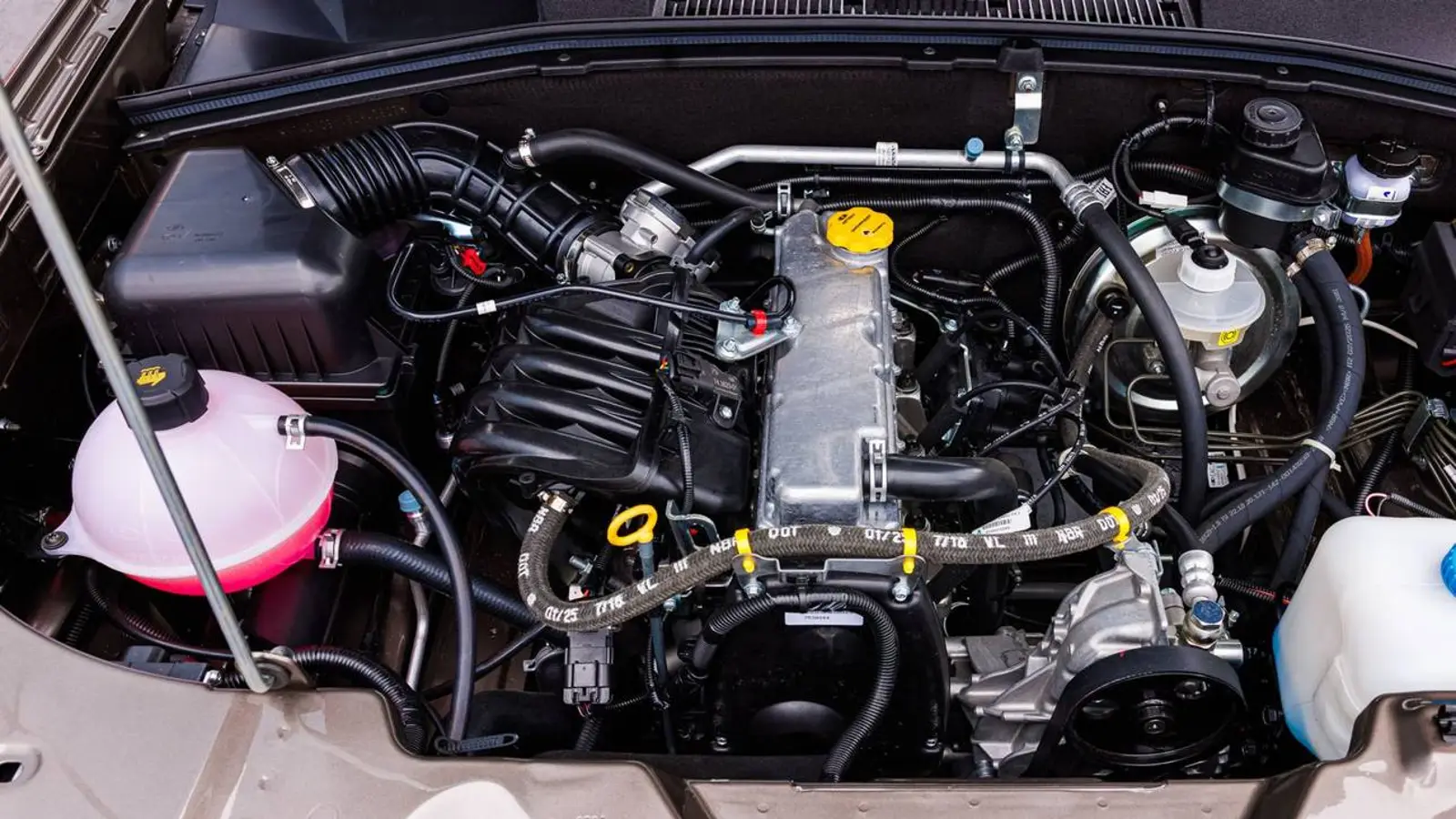
Toyota has proposed using one of the electric motors in a hybrid powertrain not to drive the wheels, but to pre-spin a petrol engine that is still switched off. Air starts moving through the cylinders and the exhaust, turning the turbine before any fuel is burned. By the time the engine fires, boost pressure is already there and the delay in throttle response gets shorter.
This is not the same as racing anti-lag. Conventional systems keep the turbine spinning through retarded ignition or by burning extra fuel in the exhaust, which drives temperatures in the exhaust tract sharply up and wears out the manifold, the valves and the turbocharger. Toyota’s approach involves no combustion at all: the airflow it needs comes from the crankshaft being turned by the motor-generator.
The filing describes a hybrid with two electric machines. The first is tied to the combustion engine and normally works as a generator or a starter, while the second helps drive the car directly. Toyota has long split the roles this way: MG1 starts the engine and controls its revs, while MG2 provides traction and recovers energy.
The electronics have to account for intake pressure, accelerator position and how long the engine may be spun up. In certain modes the compressed air can be held inside the engine for a moment, so that the engine delivers the requested torque sooner once it starts. An earlier Toyota filing described a similar trick — raising the revs of a turbocharged engine with an electric machine before the powertrain reaches the boost zone.
For an ordinary hybrid the practical gain is limited: the traction motor can already cover the torque dip at low revs. On top of that, the pause a driver feels is often caused by a gearshift, and the proposed system does nothing about that delay.
The technology makes more sense on powerful hybrids. The current Toyota Crown Hybrid MAX, for example, combines a 2.4-litre turbo engine, two electric motors and a six-speed automatic, and is rated at 340 hp and 400 lb-ft. The patent, however, is not linked to the Crown or any other production car and confirms nothing about manufacturing plans.
For now this is an engineering idea rather than an announcement of a new option. Putting it into production makes sense above all where the traction motor is not strong enough to fully hide the moment the turbocharged engine starts.
This English edition was prepared using AI translation under editorial oversight by SpeedMe. The original reporting is by Dmitry Novikov
Latest Stories