Honda-Nissan SDV operating system 2026: what's shared and what stays separate
 © A. Krivonosov
Honda and Nissan are aligning on a shared SDV operating system built on Nissan's technology, Jiji Press reports, though a final agreement isn't official yet.
Author: Dmitry Novikov
Not a merger, but shared source code may become the deepest tie between Honda and Nissan. According to Jiji Press, the automakers are aligning on a joint operating system for software-defined vehicles — SDVs. The plan is to build it on Nissan's technology, though a final agreement hasn't been officially announced. The two companies have already discussed using Honda's hybrid technology to expand Nissan's electrified lineup.
It's a notable shift from where things stood in 2024. Back then, the companies agreed only to jointly research the foundational technologies of an SDV platform, expecting to determine within about a year whether mass production was feasible. Talks about a full corporate merger later collapsed, but project-level cooperation on electrification and vehicle intelligence continued.
The biggest open question concerns Honda ASIMO OS. Honda calls it its own proprietary operating system and has already chosen it as the foundation for the Honda 0 Series, launching from 2026. It's meant to run driver-assistance features, dynamics, infotainment functions and over-the-air updates. The new Jiji Press report doesn't say Honda will abandon this system or replace it in vehicles already in development.
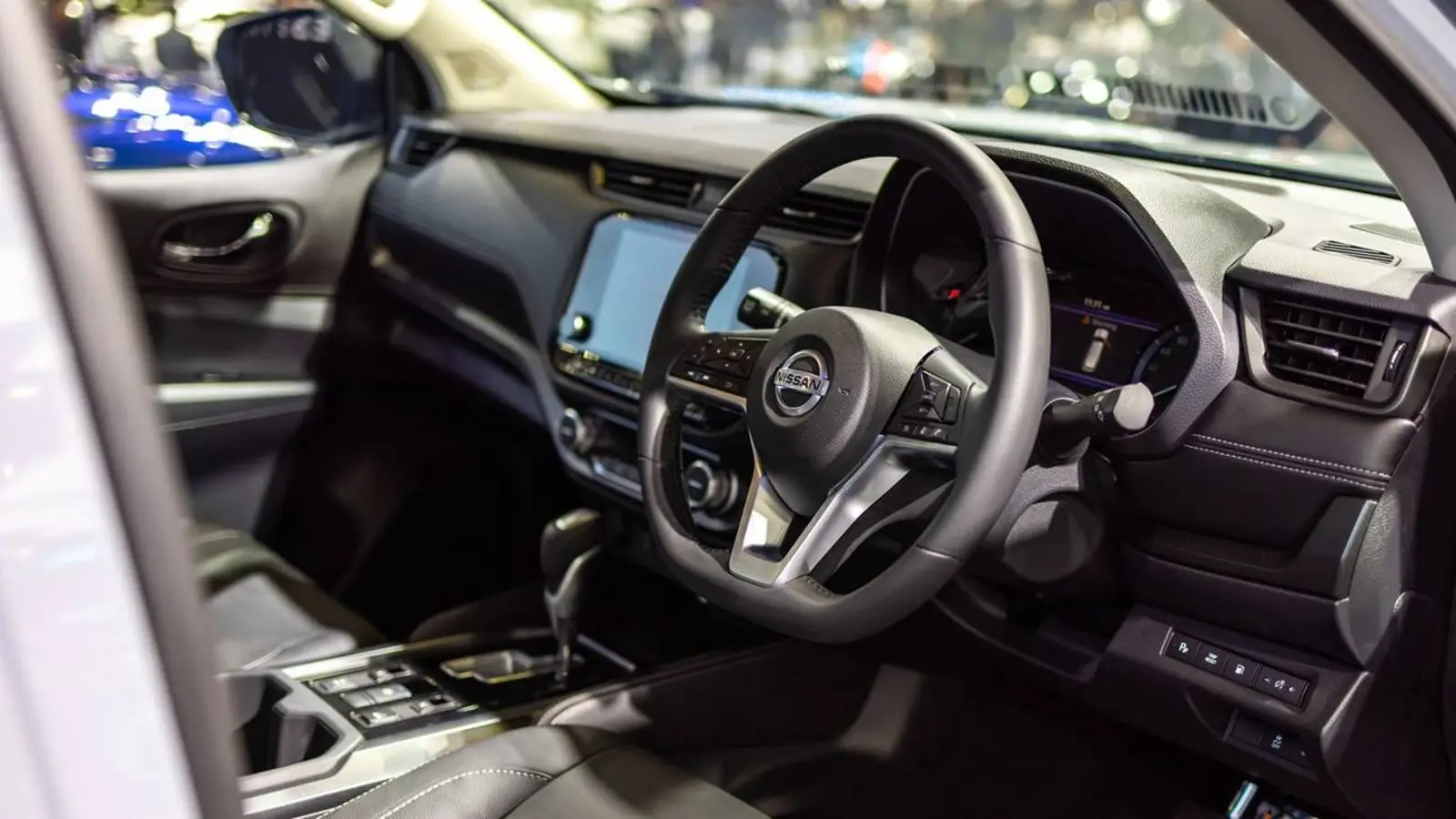
Nissan has a broader Scalable Open Software Platform, which includes a vehicle OS, a cloud database and a development toolkit. Its architecture blends Linux, real-time operating systems and AUTOSAR, with core functions gradually shifting to a central vehicle computer. Nissan plans to begin rolling out the platform in fiscal year 2026.
A shared foundation would let the two brands avoid duplicating the same functions separately and roll out updates faster. But a common OS doesn't necessarily mean identical interfaces, chassis tuning or driver-assistance systems — those layers could remain brand-specific. The next checkpoint will be the formal agreement, which should clarify how Nissan's OS will coexist with ASIMO OS and which vehicle generations will share the underlying code.
This English edition was prepared using AI translation under editorial oversight by SpeedMe. The original reporting is by Dmitry Novikov
Latest Stories