Gasoline, ATF and Coolant Change Intervals: What Actually Determines the Timing
 © A. Krivonosov
Automakers don't use a single shelf-life rule for fuel, transmission fluid or coolant — storage conditions, model and driving style decide the real interval.
Author: Boris Naumkin
Gasoline doesn't turn dangerous exactly three months after you fill up. A closer look shows automakers don't set a universal "shelf life" for fuel sitting in the tank: how fast it ages depends on the gasoline's composition, temperature, exposure to air and how sealed the system is. That means the "drain it after 90 days" rule can't be applied the same way to a modern car, a jerry can and older carbureted equipment.
Fuel does oxidize, and its volatile components gradually evaporate. Long storage can lead to gum and varnish deposits, though even research from Oak Ridge National Laboratory points to a lack of universal guidance for vehicle owners. The issue is especially relevant for plug-in hybrids, which can go months without the engine ever starting.
Storage conditions matter more than the calendar. Ford, for instance, recommends the opposite when parking a gasoline vehicle for more than 30 days: fill the tank with quality fuel. That reduces the air space inside and the risk of moisture buildup. This advice directly contradicts the idea of always draining gas after three months, and shows why it pays to read the manual for your specific model.
Rules written for lawnmowers or generators shouldn't be applied to cars either. In an open carbureted system, a small volume of gasoline really does age faster because of heat and exposure to the atmosphere. A modern car's fuel tank is sealed far more effectively, so intervals from garden-equipment manuals don't transfer over without adjustment.
The idea of changing ATF (automatic transmission fluid) every 20,000–30,000 km on any car turned out to be just as questionable. Toyota is explicit that the interval depends on the model, the transmission's design and how the car is driven. Some vehicles use fluid rated for a long service life, while towing, heat, stop-and-go traffic and other demanding conditions can call for earlier service.
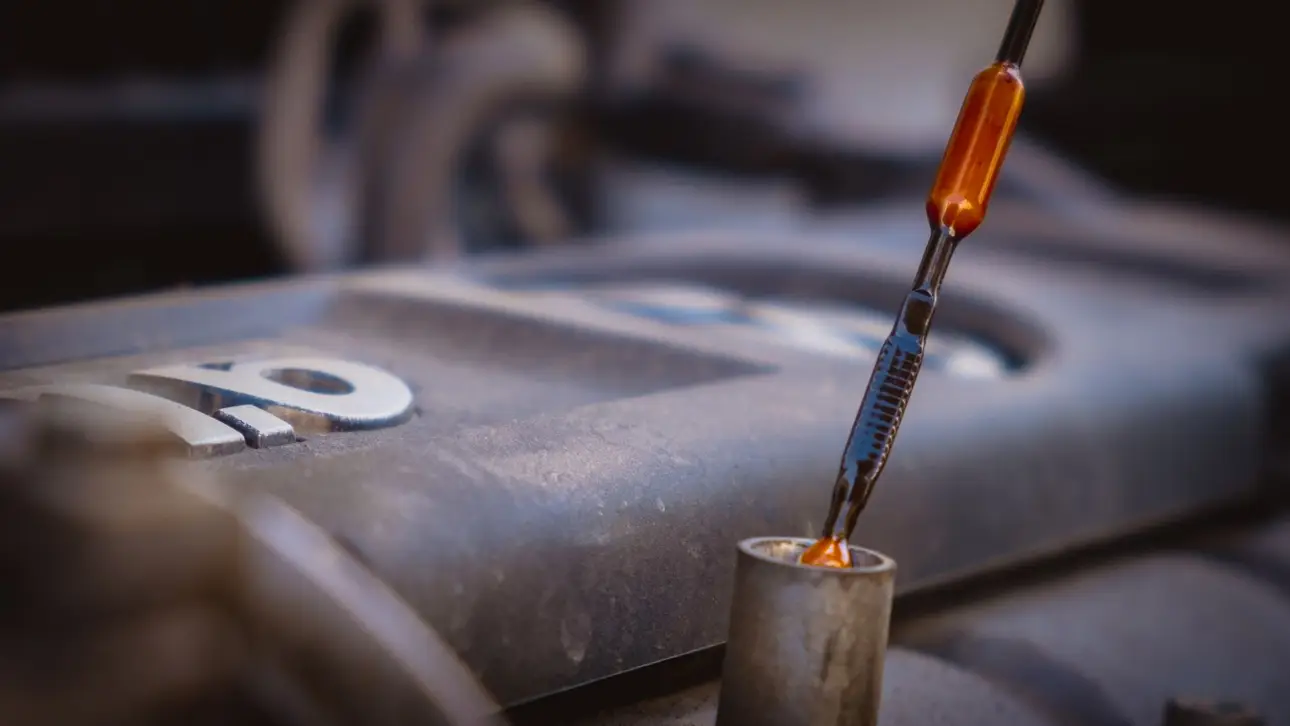
So with a used car of unknown history, the first step is to assess fluid condition, control-unit fault codes and how the transmission actually behaves, and only then choose a partial fluid change or a hardware fix.
Coolant has no single short interval either. Subaru, for example, lists the first change at 11 years or 220,000 km for some models, with later changes every six years or 120,000 km. Honda recommends regularly checking the level, using the correct fluid type, and looking for a leak if the level drops. Incompatible coolant can cause corrosion and system failure, while replacing perfectly good fluid "just in case" isn't guaranteed to help.
A car that sits unused for a long time doesn't need frequent, unsystematic tinkering — it needs the factory schedule followed. Before storage, check the battery charge, tire pressure, fluid levels and look for any leaks. It's best not to leave the tank nearly empty — SPEEDME.RU has already explained why constantly driving on a near-empty tank raises the risk to the fuel system.
The main mistake is servicing every car by the same averaged rule. For gasoline, storage conditions matter most; for ATF, it's transmission design and how the car is used; and for coolant, it's the spec and interval set by the manufacturer of that specific vehicle.
This English edition was prepared using AI translation under editorial oversight by SpeedMe. The original reporting is by Boris Naumkin
Latest Stories