Fang Cheng Bao Tai 9 in 2026: dimensions, specifications and electric range
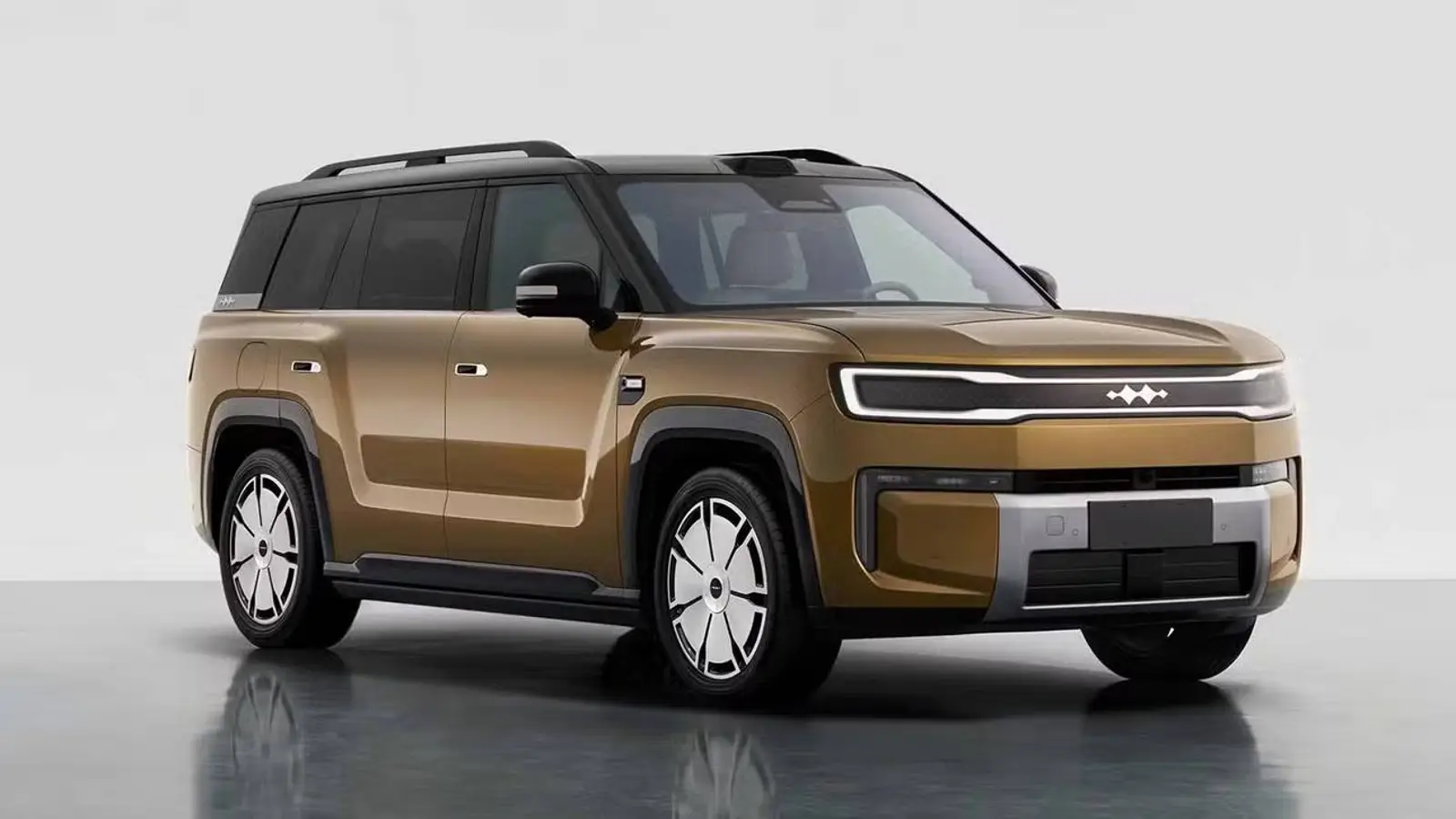 © MIIT
The MIIT filing shows the Tai 9 as Fang Cheng Bao’s largest SUV: 5270 mm long, 3130 mm wheelbase, six seats, a 66.48 kWh LFP pack and 310 km of electric range.
Author: Polina Kotikova
The Fang Cheng Bao Tai 9 has become the largest SUV in the BYD sub-brand line-up: the production car measures 5270 mm in length and has a wheelbase of 3130 mm. That is 75 and 210 mm more than the Bao 8 respectively. According to CnEVPost, the six-seat plug-in hybrid has already turned up in the latest catalogue of Chinese regulator MIIT — the last major step before approval for sale, which Fang Cheng Bao has pencilled in for the second half of 2026.
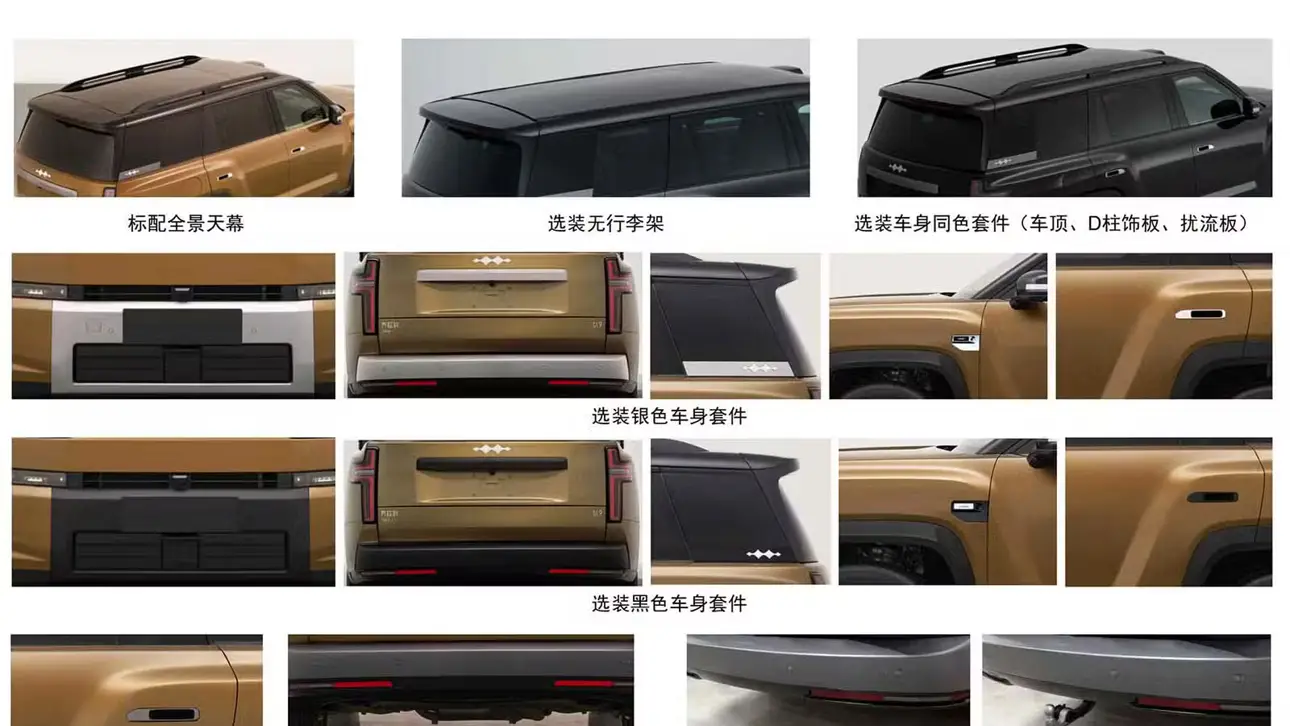
The Tai 9 is 1999 mm wide, while its height is 1880 mm with roof rails or 1850 mm without them. Kerb weight is declared in two versions, 2865 and 2965 kg, and gross weight reaches 3495 kg. Top speed stands at 220 km/h and the maximum trailer weight is 2000 kg.
The Tai 9 hybrid: a 1.5-litre engine and two electric motors of 200 kW each
The powertrain combines a 1.5-litre petrol engine with a maximum net output of 110 kW, around 150 hp, and two synchronous electric motors rated at 200 kW, or roughly 272 hp, one on each axle. Adding those figures together and calling the system output 544 hp would be premature: BYD has not disclosed the combined figure.
Tai 9 battery and how far it travels on electricity alone
The LFP chemistry and FinDreams Battery as the supplier are both confirmed: the cells come from a plant in Guangxi, while the pack is put together by the BYD division in Shenzhen. Capacity stands at 66.48 kWh with a pack weight of 487 kg, which works out at roughly 136.5 Wh/kg of energy density, and the electric range is quoted at 310 km on the WLTC cycle. The claim that these are specifically second-generation Blade Battery cells remains an assumption: BYD has not named the cell generation officially.
The DMS platform is a separate question. The badge sits on the tail of the Tai 9, yet the name itself is not new: Chinese publications spotted the same badge on the Tai 7 filing back in the summer of 2025 and have linked it ever since to the hybrid set-up of the whole Tai series. BYD has still not described the architecture — neither then nor now.
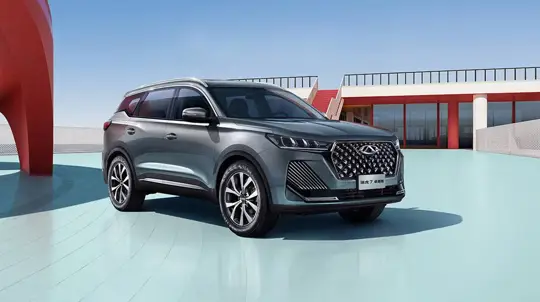
In terms of size the Tai 9 clearly outgrows the family-oriented Tai 7 as well: it is 271 mm longer. The wheelbase has gained the same 210 mm as it did against the Bao 8, because both of those cars sit on 2920 mm. The main unknown now is the price: it will decide whether the newcomer is simply a bigger Tai or takes a step of its own above the Bao 8.
This English edition was prepared using AI translation under editorial oversight by SpeedMe. The original reporting is by Polina Kotikova
Latest Stories