Uber and Wayve Robotaxi London 2026: TfL Licence, Launch Timeline and How to Join the Waitlist
 © Uber
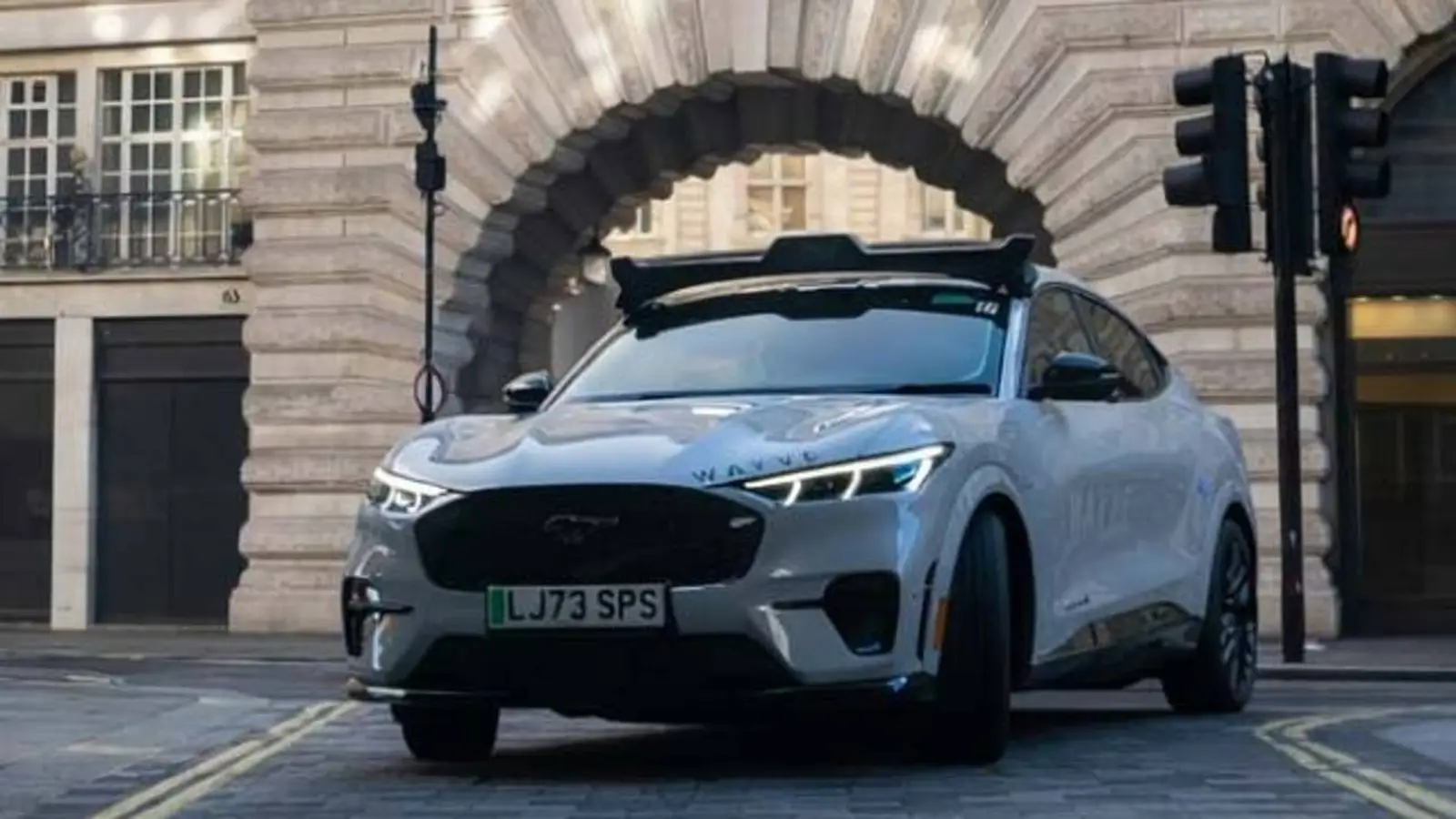
Transport for London has granted Private Hire Vehicle licences to 15 Wayve-equipped Ford Mustang Mach-E cars, moving Uber's autonomous ride project from demos toward real passengers — with a safety driver still required in every trip.
Author: Dmitry Novikov
15 Ford Mustang Mach-E vehicles have been granted Transport for London licences to carry passengers using Wayve's self-driving system. That moves Uber's project from demos to real customers, but there's an important caveat: a private hire vehicle (PHV) licence doesn't turn these cars into fully driverless taxis. The first rides will run with a licensed safety driver who can take over control. According to The Guardian, TfL licensed exactly 15 vehicles.
Uber's official page already lets Londoners join a waitlist for autonomous rides. Once launched, Mustang Mach-Es will be able to appear on UberX, Comfort and Comfort Electric requests in eligible areas. The company says more than 100,000 people have signed up. Sign-ups for autonomous rides are open directly through Uber.
Wayve equips the electric Fords with its AI Driver system, surround-view cameras and radar. The system takes over driving, but the current stage remains supervised: a driver sits behind the wheel and intervenes when needed. That's fundamentally different from a future mode with no human in the driver's seat.
That future mode runs on a separate track. The UK government opened applications for the Automated Passenger Service in May 2026, and the DVSA states explicitly that an APS permit is meant, among other things, for passenger services with no safety driver. So TfL's current decision is best read as clearance to begin commercial operation with a supervising driver, not final approval for driverless robotaxis. The terms of the pilot programme have been published by the UK government.
There's an unexpected contrast between Uber's waitlist and the city's attitude toward the technology. A YouGov survey for the London Assembly of 1,053 adults found that 42% oppose the introduction of autonomous passenger vehicles, 29% support it, and the same share — 29% — say they'd be likely to use one themselves. The main concerns are how the vehicle handles unexpected situations, road safety and technical failures. The results have been published by London City Hall.
For Uber, the London project is part of a much broader scheme, where the platform itself doesn't have to build the self-driving software. In June, the company added Lucid and Nuro to its autonomous strategy, and in Europe it already has a stake in a commercial robotaxi project with Pony.ai and Verne in Zagreb. London stands out specifically for its regulatory path: first 15 licensed Mach-Es with a driver, then a separate permit to work without one.
The date that will actually matter isn't when the first passenger climbs into a Mustang Mach-E — it's when Uber and Wayve get the right to remove the safety driver from behind the wheel. Until then, the term “robotaxi” for the London service needs a caveat.
This English edition was prepared using AI translation under editorial oversight by SpeedMe. The original reporting is by Dmitry Novikov
Latest Stories