New Hyundai Tucson 2026: dimensions, wheelbase and Pleos Connect explained
 © hyundainews.com
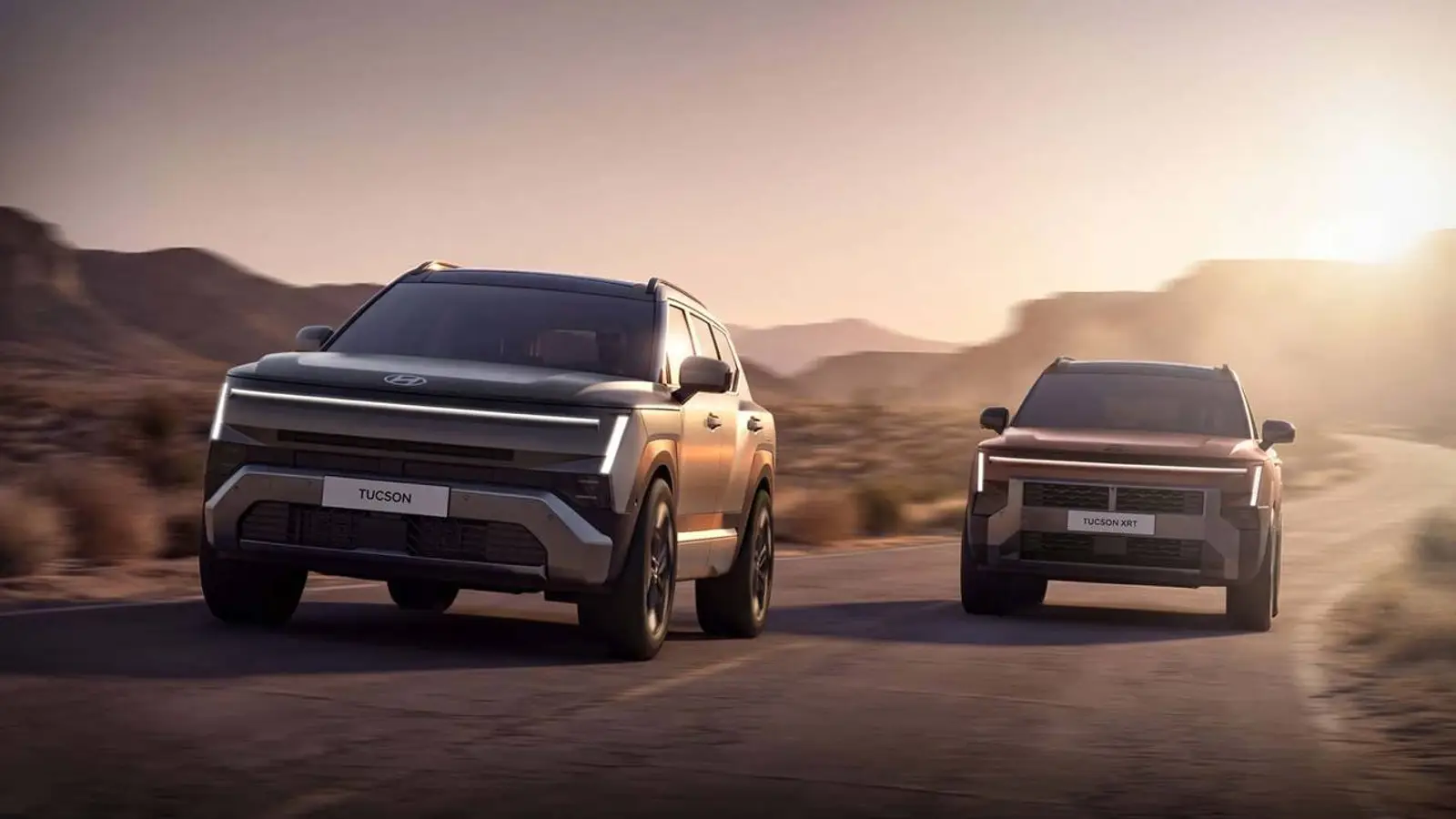
The next-gen Hyundai Tucson is 4700x1905x1685 mm with a 2785 mm wheelbase, more rear headroom, wider-opening rear doors, and Hyundai's new Pleos Connect cabin tech.
Author: Nikita Novikov
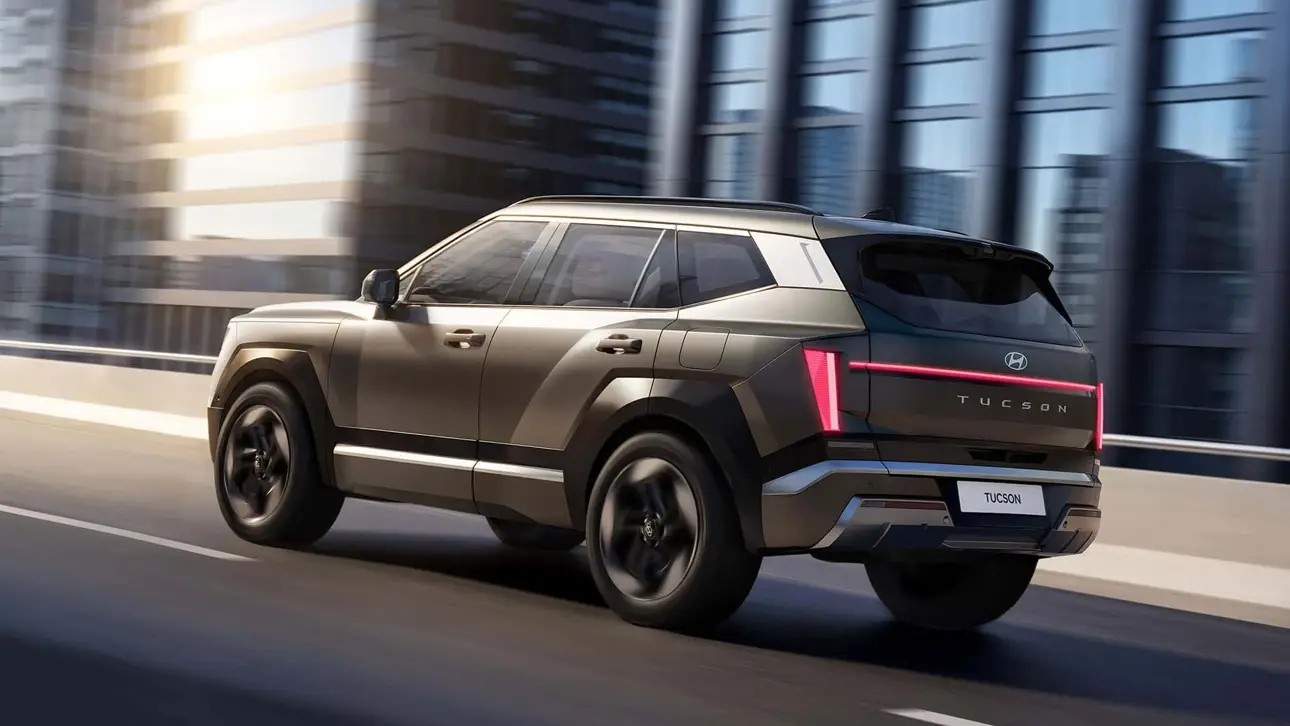
A 2.3-inch (60 mm) increase in overall length is one of the first changes that stands out about the new Hyundai Tucson, even before any engine details arrive. The crossover has grown to 4700x1905x1685 mm, with wheelbase up to 2785 mm. That works out to +60, +40 and +20 mm on the body and +30 mm between the axles. Rear headroom is up 29 mm, and the rear doors now open to 83° instead of the previous 73°. Car and Driver has independently confirmed the reveal of the fully redesigned Tucson generation.
The styling has moved noticeably away from the current car: instead of intricate surfacing, the new Tucson gets flatter panels, more pronounced wheel arches, and horizontal lighting elements front and rear. But for a family crossover, the shift in proportions matters more — Hyundai put the extra body length not only toward visual impact, but toward second-row space.
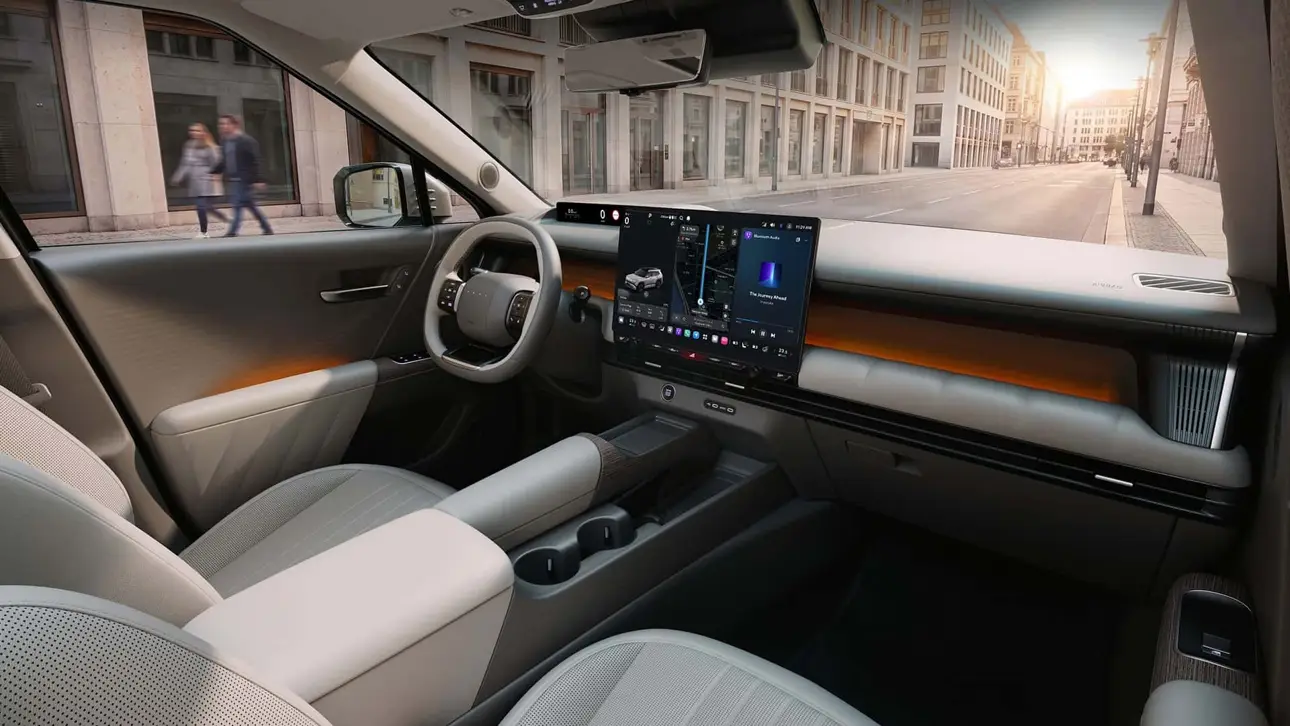
The cabin is now built around Pleos Connect. Hyundai officially describes the architecture as a combination of a large central display, a compact driver display, and physical controls for frequently used functions. Pleos supports the Gleo AI voice assistant, apps, online navigation, and over-the-air software updates. Hyundai’s move to this software platform had already been flagged when Pleos was first unveiled in the spring.
Hyundai has not named the exact size of the Tucson’s central display at this stage. So the pre-reveal reports of a 17-inch screen are best left out of the spec sheet for now.
The same applies to the engines. Hyundai has not yet disclosed the new Tucson’s powertrains, which means earlier reports about hybrid and plug-in hybrid versions remain preliminary.
The domestic launch timing is better confirmed: back in a March letter to shareholders, Hyundai President and CEO José Muñoz said the all-new Tucson would launch in Korea in 2026. Ahead of the reveal, prototypes of the new crossover had already been through intensive road testing, including towing trials in the Alps.
The next key milestone is the reveal of the engines, hybrid systems, and regional specifications. Only then will it be clear how much the new Tucson has actually changed under the skin, rather than just growing in size and switching to new electronics.
This English edition was prepared using AI translation under editorial oversight by SpeedMe. The original reporting is by Nikita Novikov
Latest Stories