Hyundai Strike 2026: Why 39,000 Workers Shut Down Ulsan, Jeonju and Asan
 © A. Krivonosov
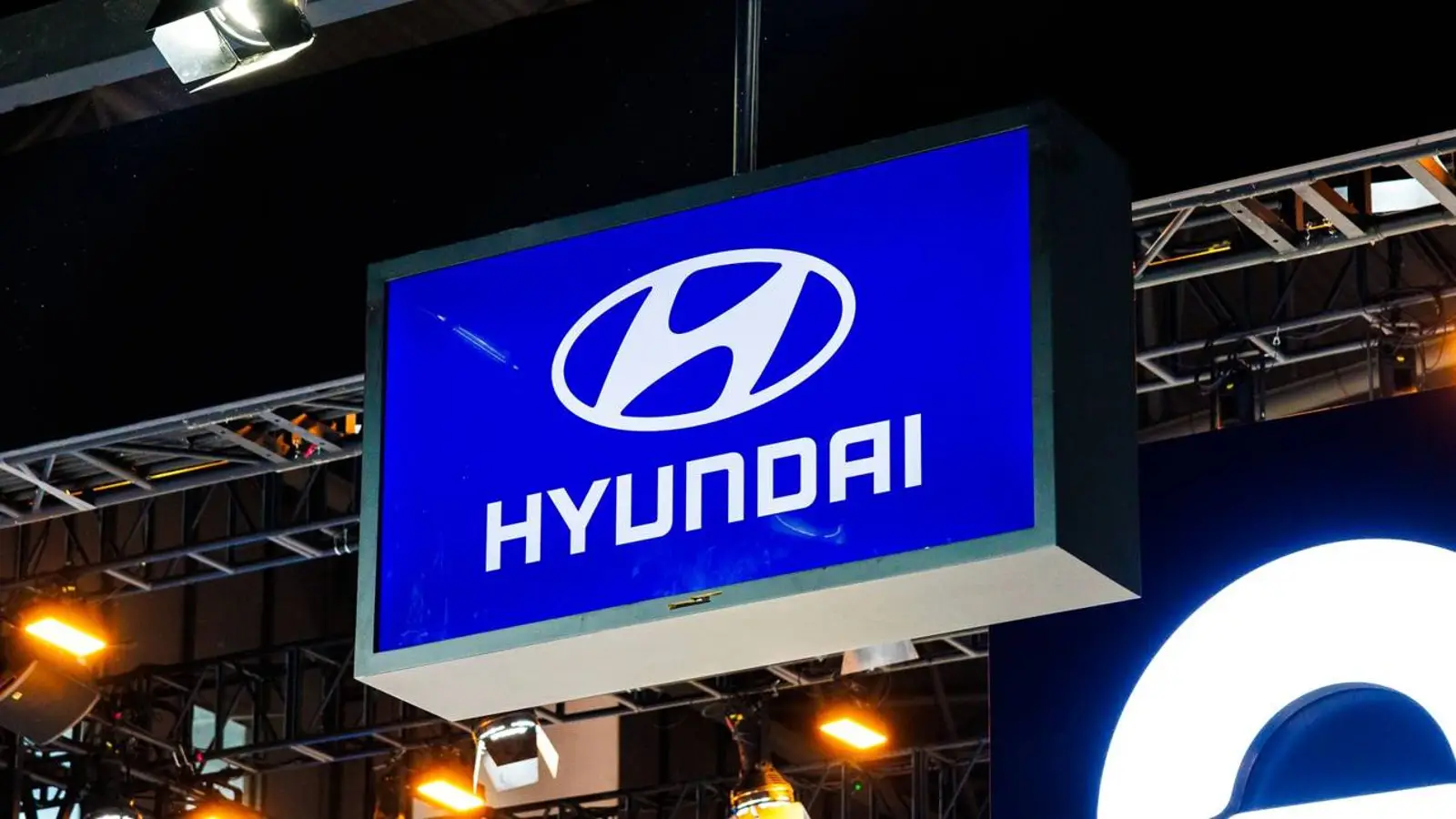
Hyundai halted every plant in Korea for its first full-day strike in a decade, as the union fights for pay, retirement age and job guarantees against AI.
Author: Polina Kotikova
All Hyundai production lines in Ulsan, Jeonju and Asan came to a halt on August 21: the morning and evening shifts each walked out for eight hours, pushing the real assembly-line downtime to 16 hours. It is the union's first full-scale strike since 2016, not its first walkout of the year. Counting earlier partial stoppages, output has already dropped by roughly 55,600 vehicles, with lost revenue estimated at more than 2.3 trillion won — over $1.6 billion.
About 39,000 union members took part in the action. Accumulated strike time in 2026 has reached 60 hours, with production lines idle for 120 hours. At an estimated output of around 460 vehicles per hour, that’s how the 55,600-vehicle loss is calculated. Four more hours of partial strikes are scheduled for August 24 and 25, so the figure could still grow.
The dispute has long since outgrown a simple pay raise. The union wants the bonus increased from 750% to 800% of monthly base salary, a higher retirement age, and job guarantees as artificial intelligence and automation are rolled out.
Union leader Lee Jong-cheol told Reuters, “The key figures who made Hyundai and Kia the world’s strongest company for 35 or 40 years are now being pushed into contract positions.”
Automation is already a concrete issue for Hyundai. On August 12 the company announced it would expand AI use in development, manufacturing and service, and starting in 2028 humanoid Atlas robots are due to begin working at the HMGMA plant in Georgia. They’ll first handle parts sorting and preparation, with a move to select assembly operations expected from 2030. That’s why AI has turned from an abstract technology into a labor issue in the current talks.
Hyundai worker and Korean Metal Workers’ Union vice president Kim Byung-chul said, “Even if AI is introduced, we’re prepared to fight it — and prepared to win. We’re worried about the next generation.”
The conflict comes at a difficult moment for Hyundai’s home market. In the first half of the year, the five leading Korean automakers saw domestic sales fall 3%, while vehicle imports into South Korea rose 33%. Hyundai only opened orders this August for the next-generation Avante, known outside Korea as the Elantra. That doesn’t prove any specific model is being delayed, but any further increase in downtime adds pressure to the production schedule.
Hyundai said it intends to seek a resolution through negotiation: “The strike may affect our customers, partners and operations. We are at a critical juncture where both sides need to work together to successfully navigate the global transition to future mobility.”
Union spokesperson Kim Jin-wook told Reuters that further action would be discussed if the company fails to present “forward-looking proposals.” The next checkpoint is already set — on August 25 the union plans to decide on further strikes.
This English edition was prepared using AI translation under editorial oversight by SpeedMe. The original reporting is by Polina Kotikova
Latest Stories