Defender Wolf Series II: specifications, versions and British Army LMV programme
 © media.jlr.com
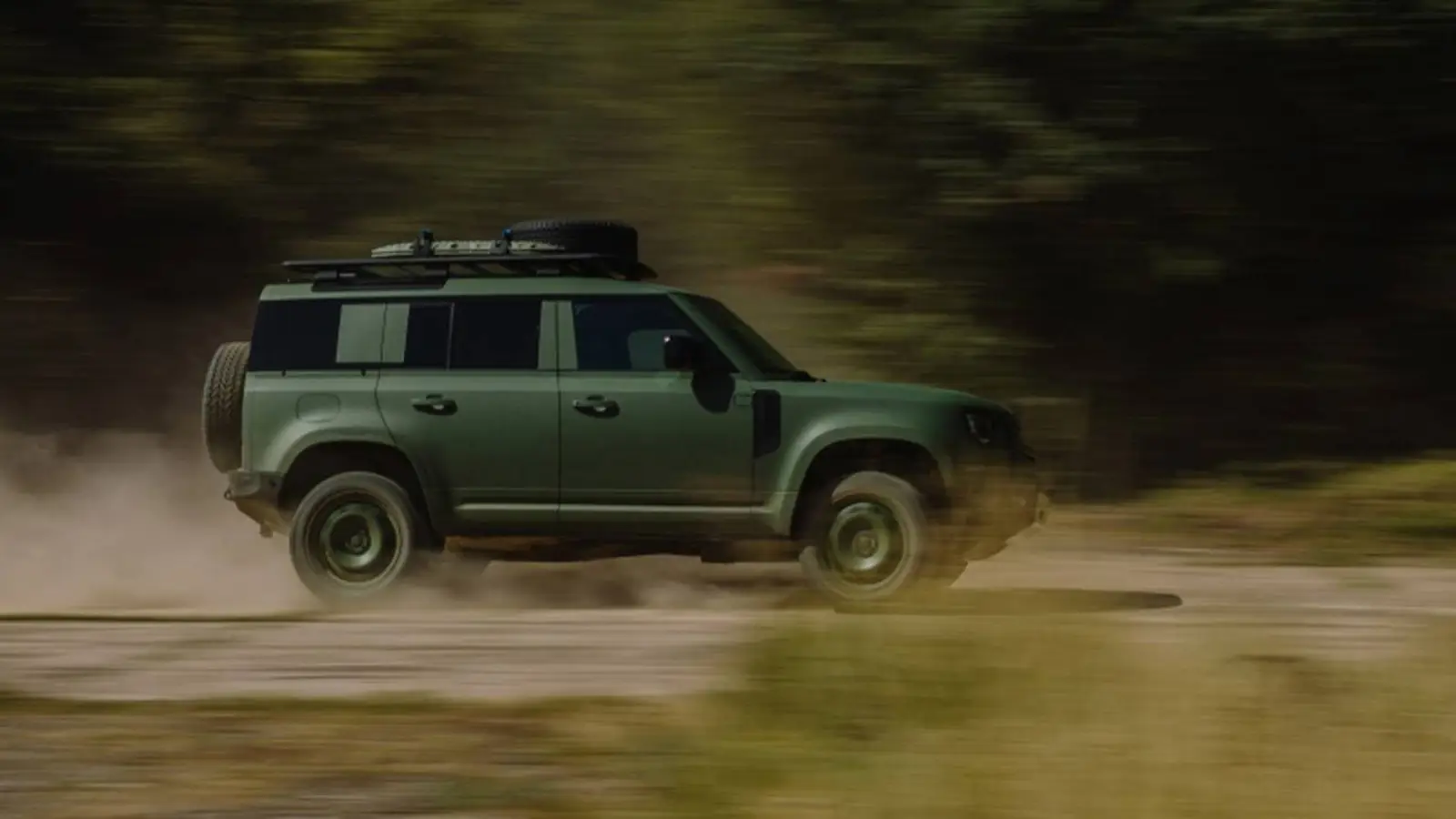
Defender Wolf Series II is JLR’s new military vehicle for Britain’s LMV competition, built on the D7x monocoque and offered in four configurations.
Author: Polina Kotikova
Defender is bringing the Wolf name back to its military line-up with a modern successor to the old service vehicle. The new Wolf Series II is based on the D7x monocoque and will compete for the Light Mobility Vehicle programme, which is intended to replace ageing Land Rover and Pinzgauer fleets.
According to JLR, the D7x construction provides greater body stiffness and increased payload capability compared with the previous ladder-frame layout. The standard Defender architecture has completed more than 62,000 engineering tests. The company also says that, during a demonstration at an independent Ministry of Defence proving ground, the new Defender was the only vehicle to clear every obstacle, although details of the test and the rival vehicles have not been disclosed.
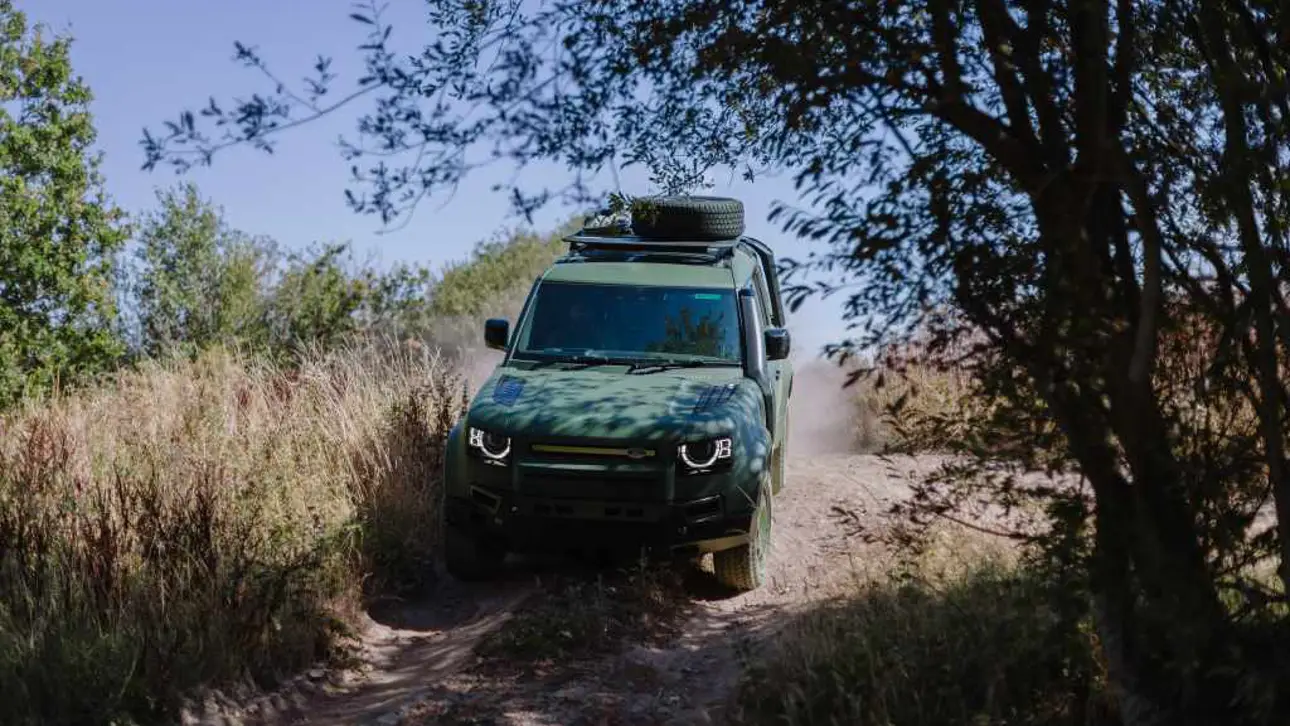
The scale of the project is far greater than that of a typical special-edition SUV. In the UK procurement register, the LMV programme is valued at £750 million excluding VAT. The contract is provisionally scheduled to run from April 2027 to April 2033. More than 5,000 Land Rovers were still in service with the British armed forces in 2025, while the Ministry of Defence expects the first vehicles of the new generation to reach service personnel by 2030.
Wolf Series II will be shown in full on 16–17 September at British Army DVD 2026 in Millbrook. Four configurations have been announced: tactical, general utility, ambulance and cargo. The vehicle was designed and developed in the UK, while its engine is built in Wolverhampton. JLR has not yet disclosed the exact powertrains, payload, mass or protection level.

The competition promises to be technically significant. INEOS is already offering the Grenadier for the same programme with a traditional ladder frame, solid axles and permanent four-wheel drive. The Army will therefore be able to compare two very different approaches: Defender’s modern load-bearing D7x architecture and the Grenadier’s conventional body-on-frame construction.
For JLR, this is not a one-off military project. The company has also created the Defender Defence Division to address requirements from other defence organisations. That fits into a broader expansion of the brand: JLR has already confirmed a new civilian Defender model on the EMA architecture, and prototypes have been seen testing. Separately, JLR and Stellantis are exploring joint product development opportunities for the US under a non-binding agreement, with a focus on Defender. Together, these projects could extend the brand beyond the current 90, 110 and 130 line-up.
This English edition was prepared using AI translation under editorial oversight by SpeedMe. The original reporting is by Polina Kotikova
Latest Stories