Volkswagen Caddy and Multivan update: 122 km EV range and 245 hp
 © volkswagen-newsroom.com
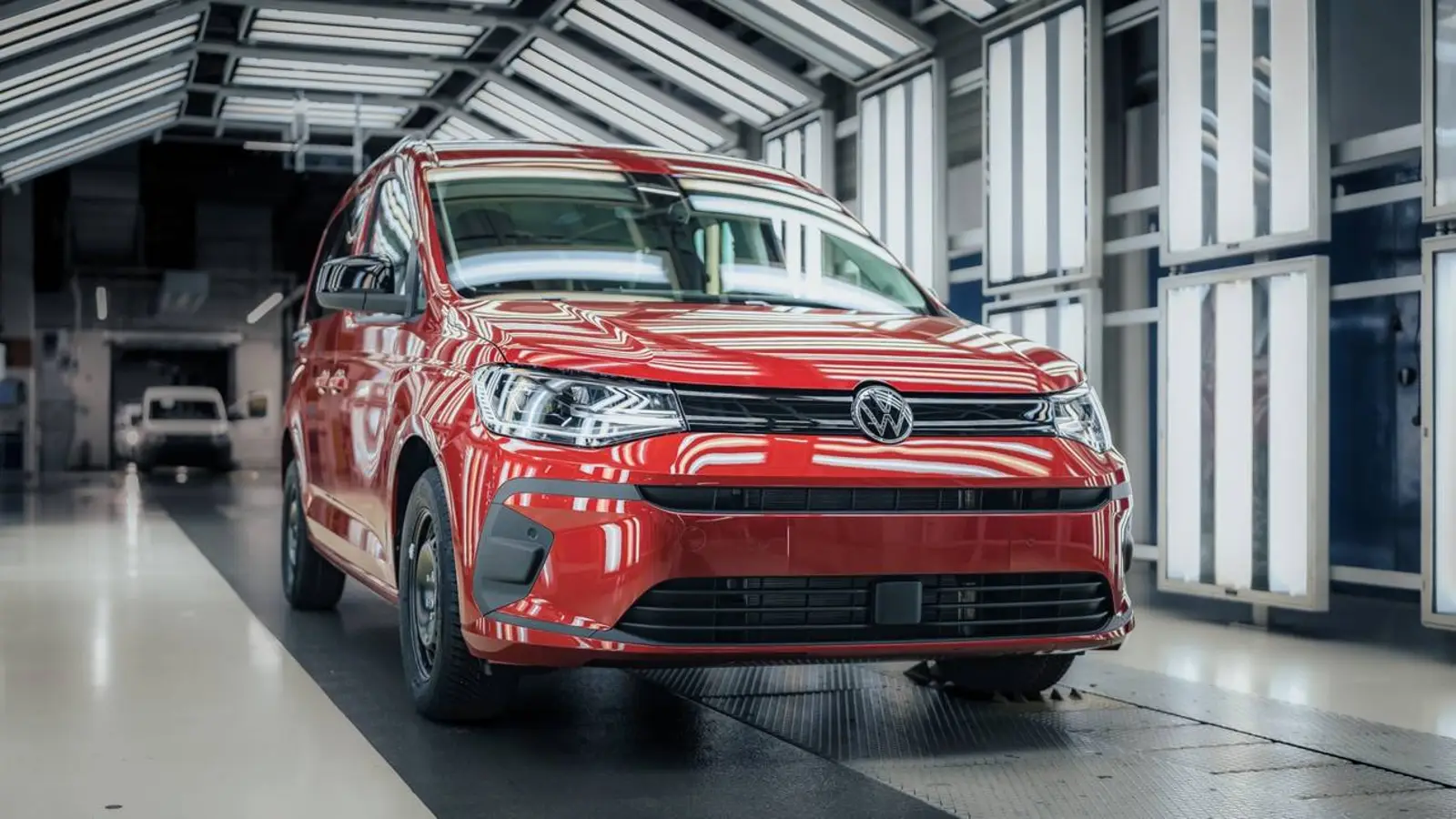
Volkswagen has started production of updated Caddy, Multivan and California models with new 12.9-inch displays, upgraded driver assistance and stronger plug-in hybrids.
Author: Polina Kotikova
Volkswagen has put two updated commercial-vehicle families into series production almost simultaneously. Production of the revised Caddy has started in Poznań, while the Hanover plant has begun building the updated Multivan and California. This is not a generational change: the company focused on interiors, electronics and plug-in hybrid powertrains.
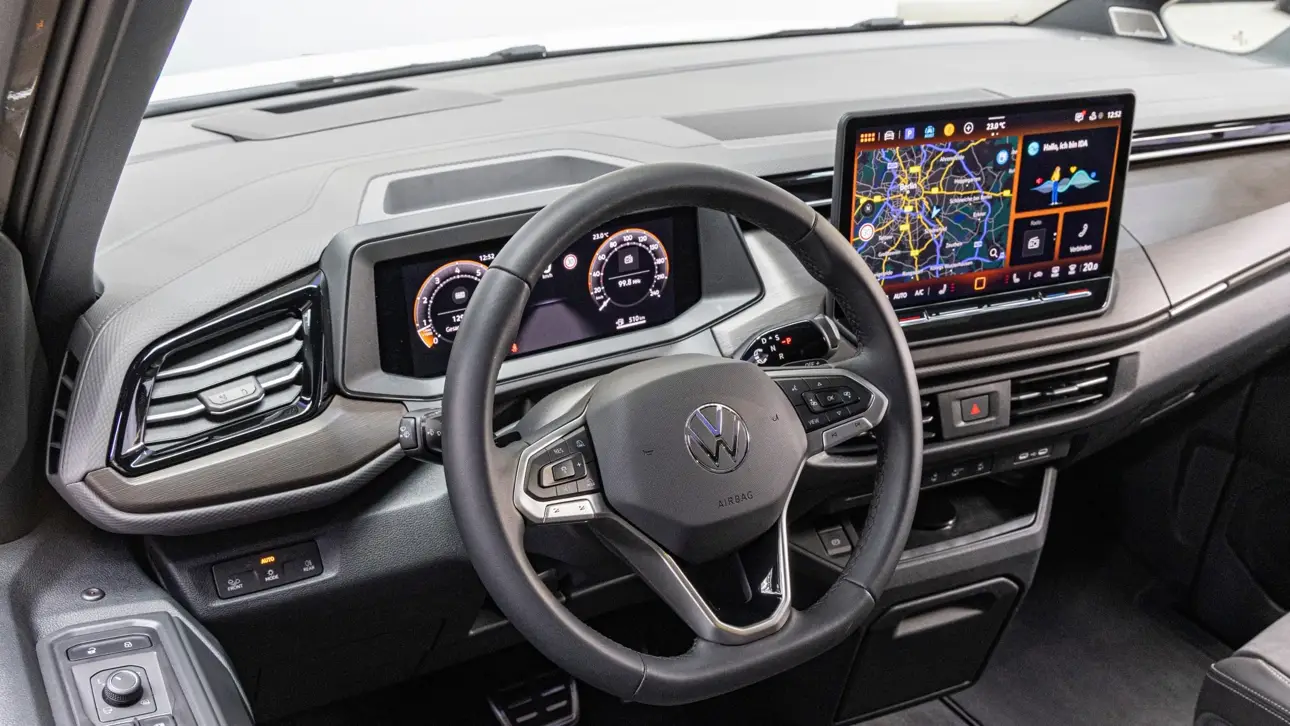
The Caddy gets a revised front bumper, new wheel designs and an expanded color palette, but the bigger changes are inside. There is a separate 12.9-inch display, illuminated touch controls and Digital Cockpit Pro, which is now standard equipment. It is the production version of the Caddy update shown in spring.
The key technical version is the Caddy eHybrid. Its 19.7 kWh battery provides up to 122 km of electric range on the WLTP cycle and up to 144 km in the urban cycle. Combined output is 110 kW (150 hp). Practicality remains a priority: the Cargo Maxi offers more than 3100 liters of load volume, while maximum braked trailer weight reaches 1500 kg.
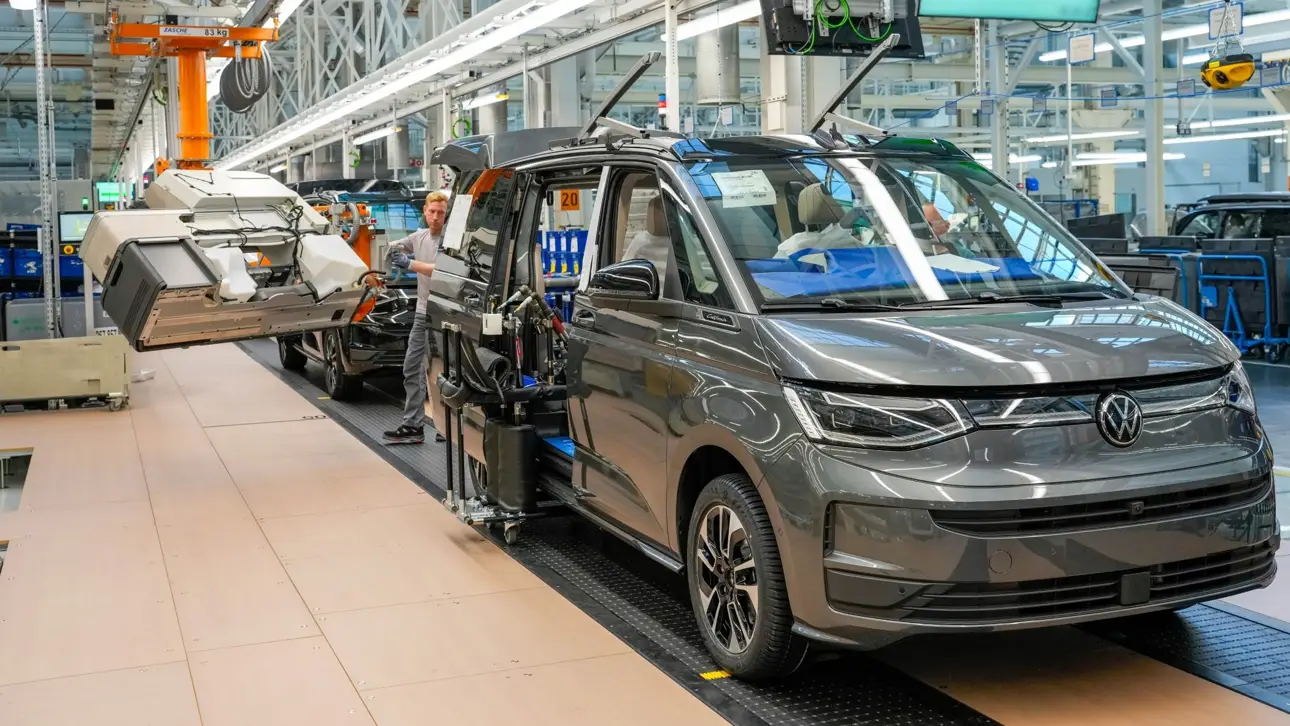
The Multivan follows a similar recipe. Volkswagen reworked the front end, fitted a new digital instrument cluster and a 12.9-inch screen, while Travel Assist gained traffic-light recognition and assisted lane changing.
The hybrid is more powerful here. The Multivan eHybrid 4MOTION combines a 19.7 kWh battery with electric all-wheel drive and produces 180 kW (245 hp). Petrol and diesel versions remain available. The California receives similar changes, and since August its camper conversion has been completed entirely at Volkswagen Commercial Vehicles’ main Hanover plant.
The result is a familiar kind of modernization without an expensive change of architecture: the Caddy and Multivan are more digital, while the PHEV versions can cover a meaningful share of daily driving on electricity. The updated Multivan also arrives as Volkswagen pushes to reduce costs at its Hanover plant and says the site still lacks sufficiently competitive utilization for the 2030s.
This English edition was prepared using AI translation under editorial oversight by SpeedMe. The original reporting is by Polina Kotikova
Latest Stories