Wet timing belt: oil specification, fuel dilution and inspection
 © A. Krivonosov
For Belt-in-Oil engines, oil viscosity is only part of the story. The correct manufacturer specification, service intervals, fuel dilution and engine-specific inspection procedures matter just as much.
Author: Boris Naumkin
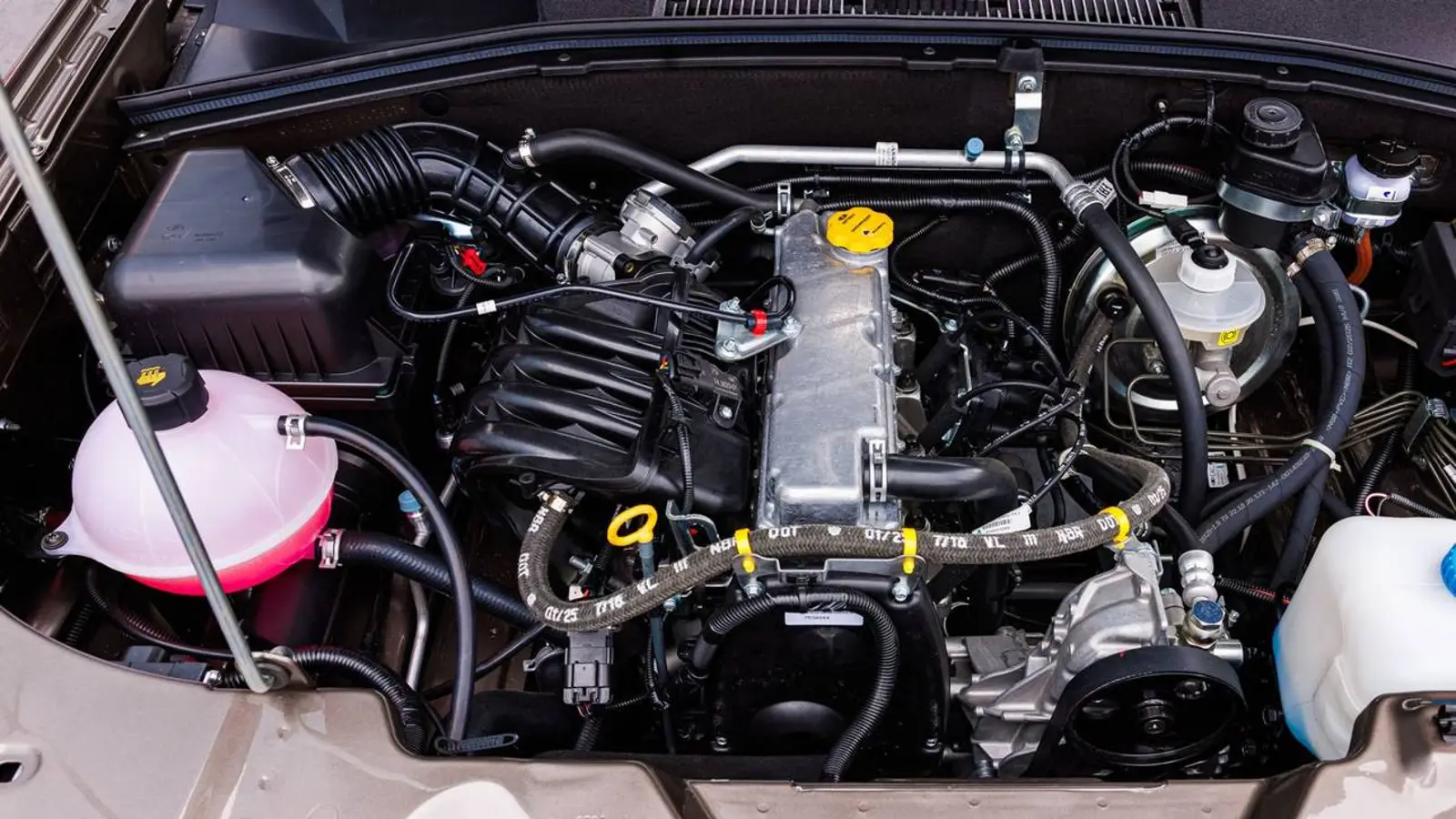
In Belt-in-Oil engines, the toothed timing belt runs inside the engine in constant contact with motor oil. Automotive mechanic Alexey Stepantsov explained that this design can reduce friction and noise, but it also changes the usual approach to maintenance: belt life depends not only on mileage, but also on the oil’s chemical composition, compliance with the manufacturer’s approval, service intervals and even the way the car is used.
Why put the belt inside the engine at all?
A conventional timing belt is usually separated from the engine lubrication system. With Belt-in-Oil, or BIO, the belt operates in an oil bath. That requires special materials designed for long-term contact with lubricant and the contaminants it can contain.
The design has technical advantages. Continental points to lower friction losses and quieter drive operation. Dayco also lists a more compact engine layout, lower friction and reduced noise among the benefits of BIO.
An ordinary toothed belt is not suitable for this job. BIO systems use special elastomer compounds, reinforcing fibres and coatings engineered to withstand oil, heat and chemical compounds inside the engine.
The 5W-30 label on the bottle does not answer the main question
For an engine with a “wet” belt, it is especially important to distinguish oil viscosity from oil specification. The 5W-30 designation, for example, describes a viscosity grade, but two oils with the same grade can meet different vehicle-manufacturer requirements.
Continental explicitly recommends using oil that meets the exact specification required for the engine. Its technical material stresses that Belt-in-Oil compatibility depends not only on viscosity but also on the oil’s technical properties and chemical composition.
In its 2026 technical guidance, Gates also lists oil that does not meet the vehicle manufacturer’s requirements as one cause of accelerated wet-belt degradation. The component maker recommends using only lubricants that comply with the specified engine standards.
That is why choosing oil simply because “I used 5W-30 before” is risky in this type of engine. The full specification and manufacturer approval need to match the vehicle maker’s requirements.
Why short trips matter too
For Belt-in-Oil systems, unsuitable oil is not the only concern. The oil’s composition can also change during use.
“Some unburned fuel can enter the crankcase and dilute the oil,” Stepantsov notes.
Continental says this effect is more pronounced with repeated short urban trips, frequent engine starts and long periods of stop-and-go operation. On short journeys, the engine and oil do not always reach their normal operating temperature.
Gates likewise identifies frequent short trips and repeated stop-and-go driving as factors that can increase the amount of fuel in the oil. According to the company, fuel contamination can affect the wet-belt material.
This does not mean that a few short trips will automatically ruin the timing drive. The issue is cumulative and depends on a combination of operating conditions, engine condition, service intervals and whether the oil meets factory requirements.
What happens when the belt degrades
Contact with engine oil is part of the BIO design, so the presence of oil itself is not a fault. Problems begin when the surrounding conditions move outside the range for which the belt material was engineered.
Continental lists cracking, damage to fibres and teeth, and dimensional changes among possible signs. On some engines, belt width is checked with a special gauge because the material can swell as it deteriorates. There is a secondary risk as well: particles from the degrading belt can enter the lubrication system.
Continental’s technical documentation shows that belt fragments can collect on the strainer ahead of the oil pump. On some PureTech engines they can also contaminate filter elements in other parts of the oil circuit and contribute to oil-pressure problems.
Gates also says that if serious BIO deterioration is found, the oil-pump strainer and other lubrication-system components should be inspected and cleaned. Simply fitting a new belt without removing contamination may not address the original problem.
Inspect the belt according to the procedure for the specific engine
There is no universal inspection method for every “wet” timing belt. On some PureTech engines, for example, belt condition can be checked through the oil-filler opening, including with a special gauge. If the belt has swollen beyond the specified width, further intervention is required.
But that method cannot be transferred to every engine. Gates specifically notes that the same inspection approach is not suitable for Ford EcoBoost engines: the layout and access are different, and belts of different widths may be used. Advice such as “remove the cap and look at the belt yourself” therefore applies only to certain engines.
What owners of Belt-in-Oil cars should keep in mind
The main difference from a conventional dry belt is that engine oil effectively becomes part of the belt’s operating environment. According to mechanic Alexey Stepantsov, owners should follow several basic rules:
- use not merely the correct viscosity, but an oil that carries the specification required by the manufacturer;
- follow factory service intervals and account for severe-use conditions when the manufacturer provides separate guidance;
- do not ignore oil-pressure warnings or other lubrication-system faults;
- inspect the BIO belt only by the procedure intended for that specific engine;
- if belt deterioration is found, assess not only the drive itself but also possible contamination of the lubrication system.
Remaining belt life should not be judged from appearance or mileage alone. Continental also notes that visual assessment of a Belt-in-Oil belt can be difficult.
The phrase “wet belt” therefore simplifies what the technology actually is. The belt is designed from the outset to run in oil and can do so reliably under the correct conditions. The risk appears when the environment changes: the wrong oil specification is used, the oil becomes excessively diluted with fuel, or maintenance falls outside the requirements for the specific engine. That is why the viscosity marking on the bottle alone is not enough.
Methodology: the editorial team reviewed technical materials from Continental, Gates and Dayco covering Belt-in-Oil systems. The review covered BIO construction, motor-oil requirements, fuel dilution, signs of degradation and inspection methods. No in-house bench testing was carried out; exact replacement intervals and diagnostic procedures should be checked against the vehicle manufacturer’s documentation.
This English edition was prepared using AI translation under editorial oversight by SpeedMe. The original reporting is by Boris Naumkin
Latest Stories