Leapmotor B10 production in Spain: localization, EU tariffs and prices
 © A. Krivonosov
Leapmotor has started pre-series B10 production in Spain with stamping, welding and painting. Local output could remove a 30.7% tariff burden on China-built imports.
Author: Dmitry Novikov
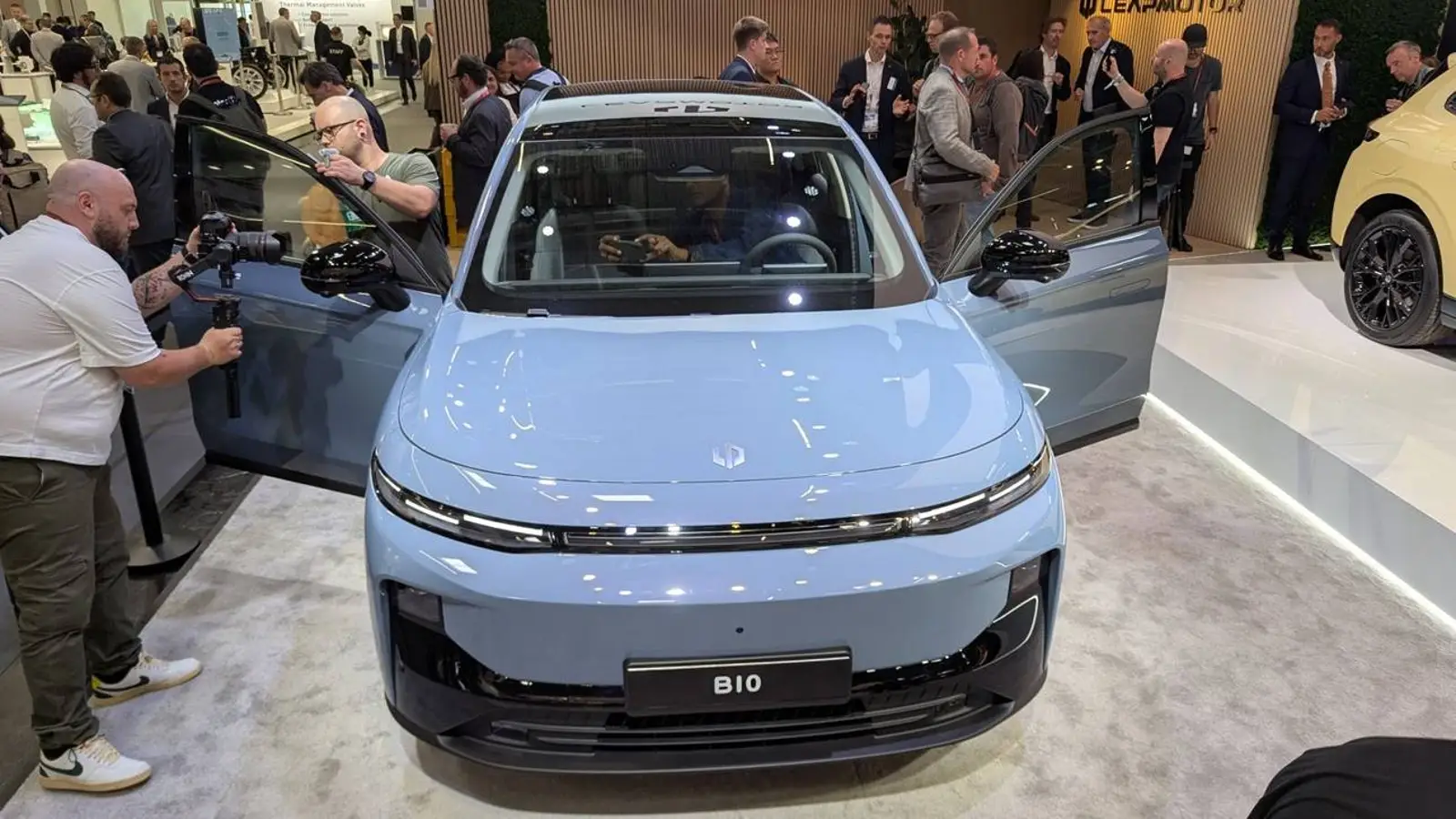
Leapmotor has moved from plans to actual localization of the B10 in Europe. Pre-series production of the crossover has started at the Stellantis plant in Figueruelas near Zaragoza, with the Spanish site handling body stamping, welding and painting. That goes well beyond simply assembling cars from kits shipped from China.
According to Danilo Annese, head of commercial operations for Leapmotor International in Europe, the share of local manufacturing is sufficient for the company to regard the B10 as a product of European production. Such localization should remove Spanish-built cars from the tariff burden applied to electric vehicles imported from China.
For Leapmotor, that burden is significant. The company’s EVs imported from China fall under the EU category of producers that cooperated with the investigation: an additional countervailing duty of 20.7% applies on top of the standard 10% import tariff. Combined, that amounts to 30.7%. The savings do not automatically mean lower retail prices, however: Leapmotor has not said how much of the freed-up margin will reach buyers.
The project had been prepared in advance. Back in May, Stellantis and Leapmotor officially said B10 production in Figueruelas could begin in 2026. The plan has now moved into the pre-series stage.
Demand gives the project additional logic. According to official Leapmotor figures, 350 B10s were registered in Spain in August, putting the model at the top of the electric C-SUV segment. The brand had already been using aggressive pricing on the B10 and other models while the cars were still being shipped from China.
There is a countervailing factor as well: Annese said the cost of shipping cars from Asia to Europe has risen by more than 50%. As a result, part of the benefit from avoiding import duties may be absorbed by higher logistics costs. The next key milestone is the start of full-scale series production and the price list for the Europe-built B10: that will show whether localization turns into a discount for buyers or remains mainly an advantage for the manufacturer.
This English edition was prepared using AI translation under editorial oversight by SpeedMe. The original reporting is by Dmitry Novikov
Latest Stories