Second-generation BYD Seagull: dimensions, five-seat cabin and 127 hp
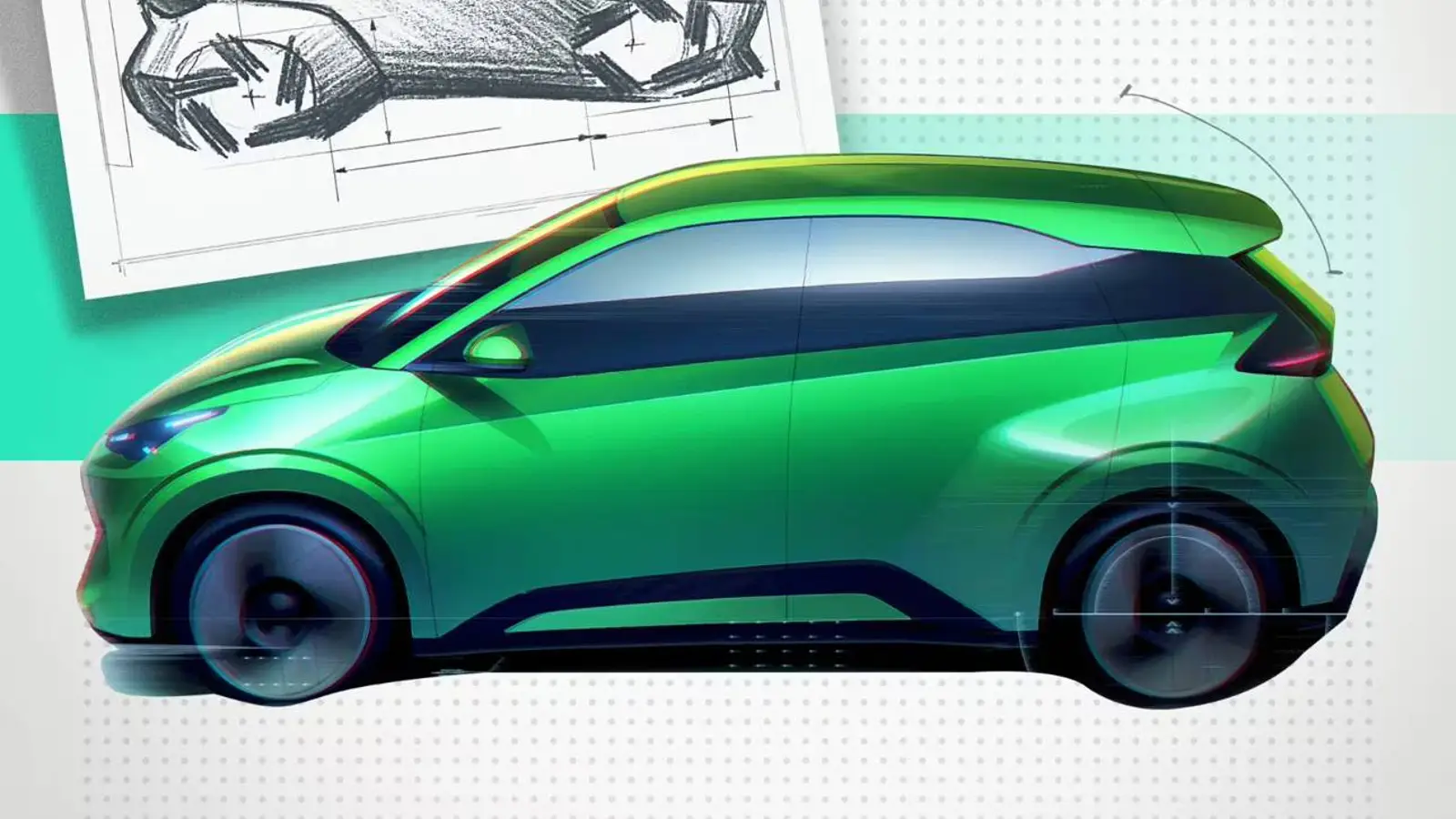 © bydglobal.com
The second-generation BYD Seagull stretches to 4,205 mm, gains a five-seat cabin and uses a 95 kW motor quoted at 127 hp.
Author: Polina Kotikova
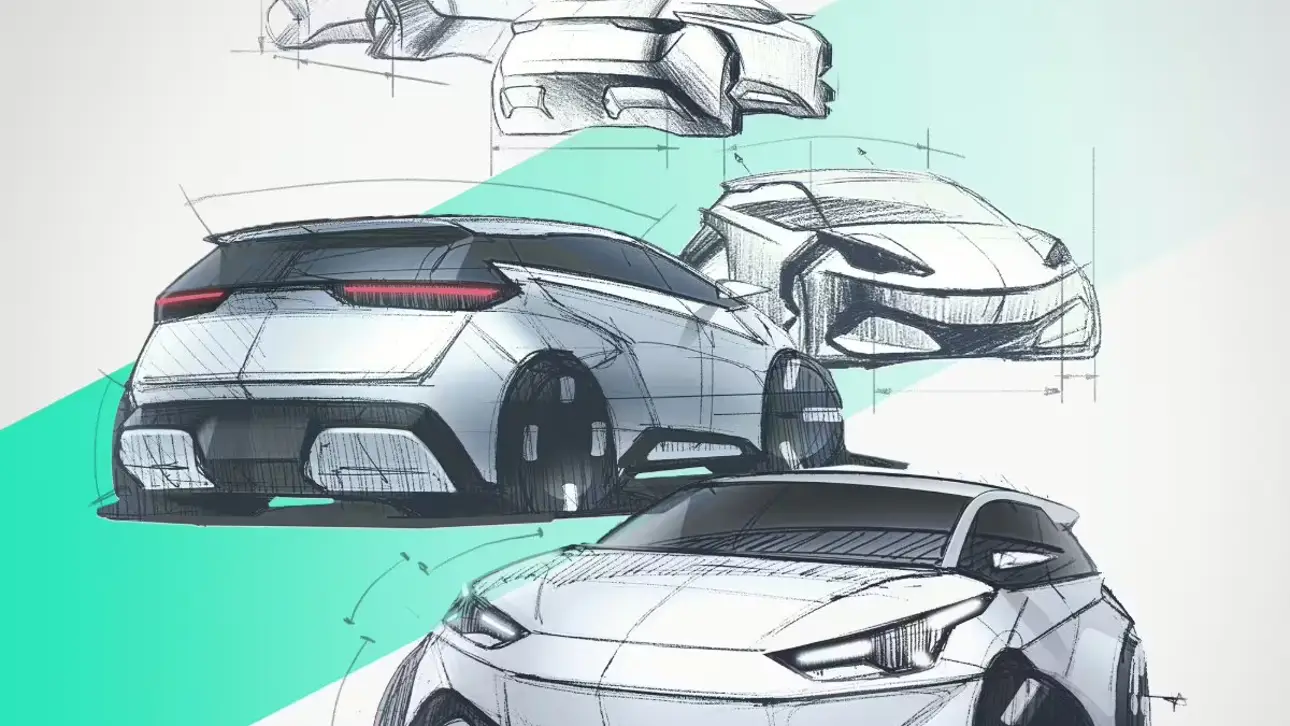
BYD has clarified the status of the car that had circulated in recent months under the unofficial names Big Seagull and Great Seagull. Official sketches published on September 22 show the second generation of the BYD Seagull. This matters because it is not simply a larger version of the current EV, but a full generational change.
The biggest change is clear from the numbers. The new Seagull measures 4,205 mm in length versus 3,780 mm for the current car, while the wheelbase grows from 2,500 to 2,650 mm. In other words, the body is 425 mm longer and the wheelbase gains 150 mm. The cabin also moves from four seats to five. These figures first appeared in Chinese regulatory documents in July: two listed versions use a 95 kW electric motor, or 127 hp according to the source data, instead of 55 kW in the predecessor. One version is specified with LiDAR and an expanded radar suite.
The difference is especially noticeable next to the current 2026-model-year Seagull, which keeps its 3,780 mm length and four-seat layout, although BYD already offers its God's Eye B package with LiDAR. The European relative, the Dolphin Surf, is also becoming more practical — a five-seat version has already been announced.
Pricing for the second generation has not yet been announced. The current Seagull costs 69,900–85,900 yuan in China before any surcharge for the LiDAR package.
The generational change comes against the backdrop of a marked sales decline. In August, Seagull sales reached 36,106 units, the first year-on-year increase after 12 months of declines. January–August sales totaled 227,251 cars, about 37.5% below the year-earlier level. The larger cabin, the increase in motor output from 55 to 95 kW — roughly 73% — and more advanced electronics therefore look less like a cosmetic update and more like BYD's attempt to restore momentum to one of its mass-market models.
This English edition was prepared using AI translation under editorial oversight by SpeedMe. The original reporting is by Polina Kotikova
Latest Stories