
Tesla FSD Supervised in Belgium: speed-limit errors and the EU approval debate
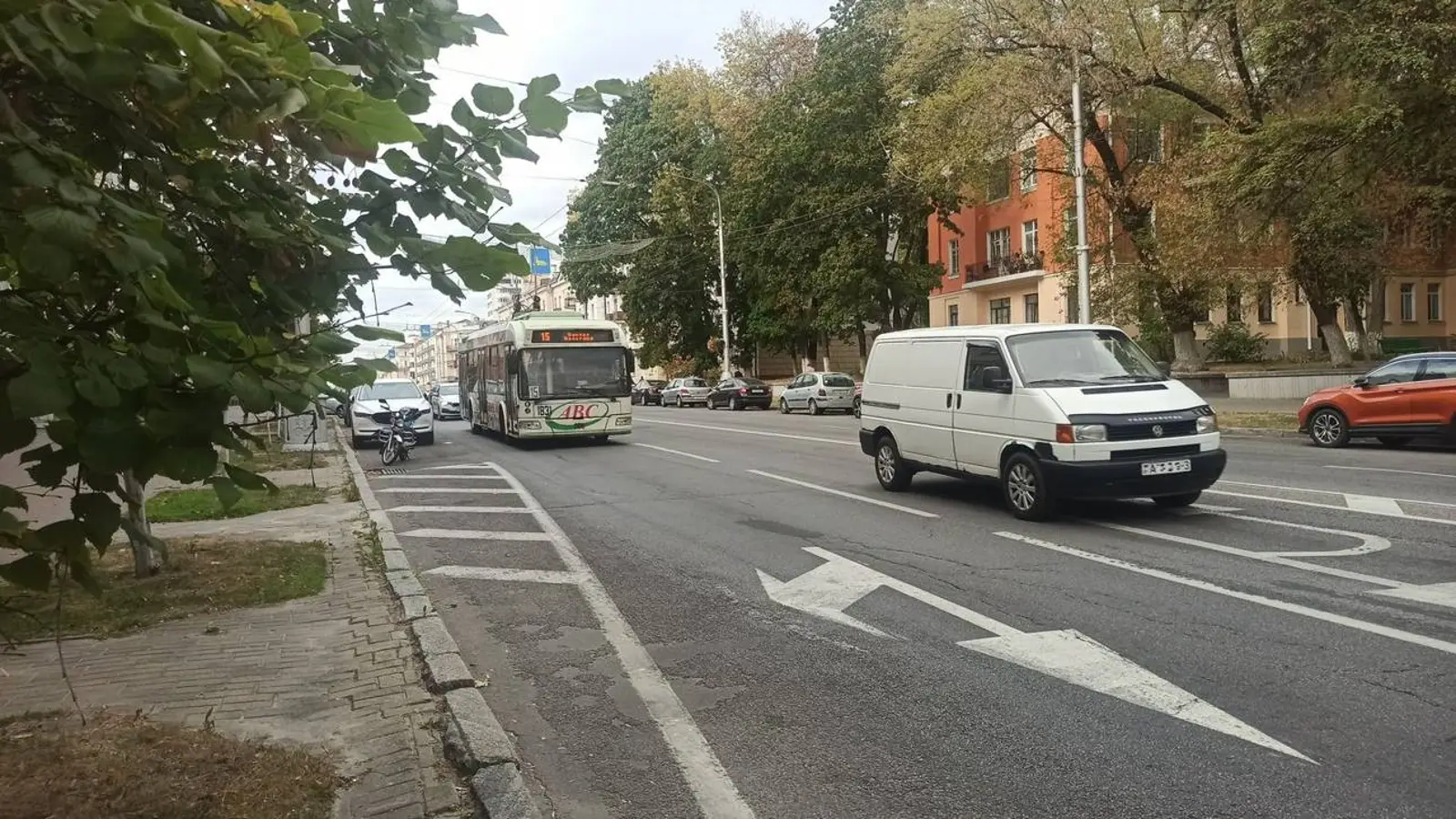 © A. Krivonosov
An independent Belgian test found Tesla FSD Supervised exceeded 30 km/h limits on 55% of tested sections and sometimes displayed 50 km/h after recognizing a 30 sign.
Author: Polina Kotikova
An independent check of Tesla FSD Supervised in Belgium produced an awkward result ahead of the system’s next European approval stage. On 55% of the tested sections with a 30 km/h limit, FSD exceeded the legal limit, with an average speed of 44 km/h in those cases. Belgian organization Johanna.be published the study on September 24.
The tests were conducted over three days in July on routes totaling about 400 km. Researchers found another issue: the car could correctly recognize a 30 km/h road sign and then still show the driver a current limit of 50 km/h. In residential zones limited to 20 km/h, speeding was recorded at 42% of the locations examined. On bicycle streets, FSD also tried several times to overtake cyclists, even though Belgian rules prohibit that maneuver there.
The report, however, does not portray the system as uniformly negative. Its authors note that FSD generally interacted cautiously with pedestrians and cyclists and often yielded well in advance. The findings therefore do not prove that the technology is broadly “unsafe”; they point to specific problems with compliance with local traffic rules.
The contrast with Tesla’s own material is especially interesting. In its official Article 39 dossier, the company argues that in certain situations FSD should be allowed to set a maximum speed above the limit identified by the system when surrounding traffic conditions justify it. Tesla selected 708 European episodes of this kind for analysis. After excluding low-speed scenarios, 680 cases remained, and in 98% of them the car did not travel faster than the median speed of surrounding traffic.
These figures do not directly contradict one another. Tesla is addressing how closely FSD behavior matches traffic flow, while the Belgian test asks whether the car complies with the legally applicable limit and specific national rules. Differences between European countries’ road regulations remain an important issue when evaluating such systems. The Dutch RDW tested FSD Supervised for more than 18 months and stresses that it remains a driver-assistance system: the human driver must continuously supervise the vehicle.
Johanna.be sent the full report to the Dutch RDW and the Flemish authorities on September 7, asking them to reconsider the permissions that had been granted. The public release came before the next approval stage: according to Johanna.be, a vote on extending FSD approval across the EU is currently scheduled for October 6.
The episode adds to the broader debate over how reliably driver-assistance systems can transfer their behavior between countries with different road rules. The Belgian test contributes concrete data on urban speed limits and bicycle-street rules.
This English edition was prepared using AI translation under editorial oversight by SpeedMe. The original reporting is by Polina Kotikova
Latest Stories