Suzuki plans to halve the path from vehicle concept to production by 2030
 © A. Krivonosov
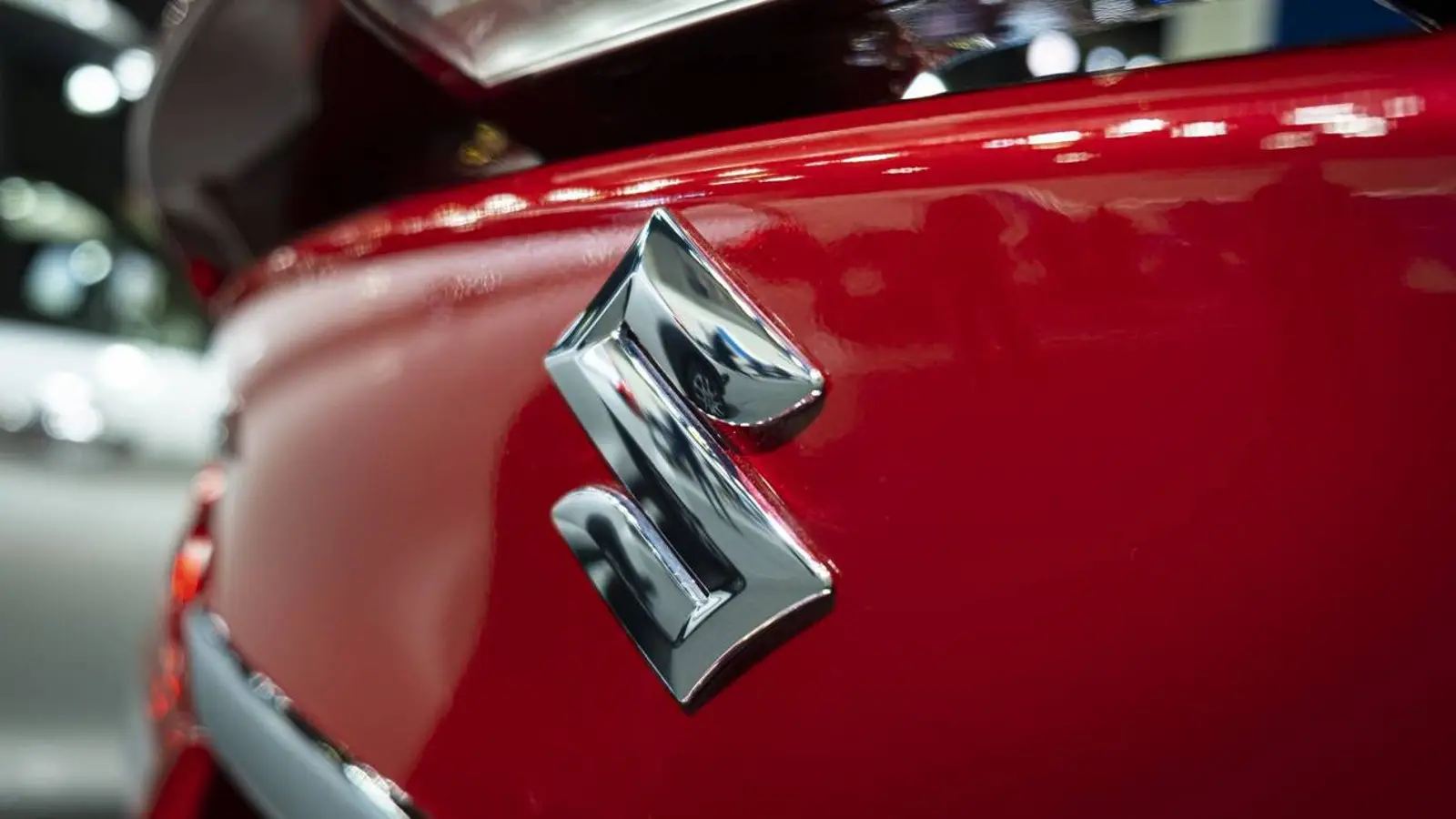
Suzuki aims to halve vehicle development time by 2030 while boosting engineering efficiency by 30% and production efficiency by 50%.
Author: Dmitry Novikov
Suzuki wants to halve the time it takes a new vehicle to move from project to production by 2030. At the same time, the company plans to improve development efficiency by 30% and production efficiency by 50%. For buyers, the more important point is that the speed-up is meant to come from changing the development process itself, not simply compressing the calendar.
In its official Technology Strategy 2026, Suzuki is betting on closer parallel work between designers and manufacturing teams. The new approach is intended to factor production capabilities into vehicle development from an early stage. Digital simulation and broader modularity will be added to that process.
Modularity is especially important for Suzuki because it allows more components to be standardized and solutions to be adapted more quickly to the requirements of different markets. That could reduce the number of unique parts and simplify subsequent production. The strategy, however, does not promise that these changes will lead to lower retail prices.
The technology itself will change as well. Suzuki has confirmed development of series hybrids, a new system under the working name Super Ene Charge, direct-injection turbo engines, the lightweight S Light architecture and the SDV Lite concept for software-defined vehicles. Specifications, specific models and launch timing have not yet been disclosed.
India will play an important role. Suzuki intends to raise production capacity in the country to around 4 million vehicles a year in fiscal 2030 and beyond, using local plants not only for the domestic market but also as an export base. The same route is already being used for the electric e VITARA, which is built in Gujarat and shipped to overseas markets.
For future owners, the key question will not be how much faster Suzuki can develop a new model, but whether the brand can preserve its familiar standards of reliability and repairability while shortening the cycle. For now, the strategy mainly sets out the tools for acceleration — digital development, closer cooperation between manufacturing and engineering, and greater standardization. The real effectiveness of the approach will become clearer with the first production vehicles created entirely under the new system.
This English edition was prepared using AI translation under editorial oversight by SpeedMe. The original reporting is by Dmitry Novikov
Latest Stories