BMW iX5 60 xDrive: range, Gen6 battery and charging
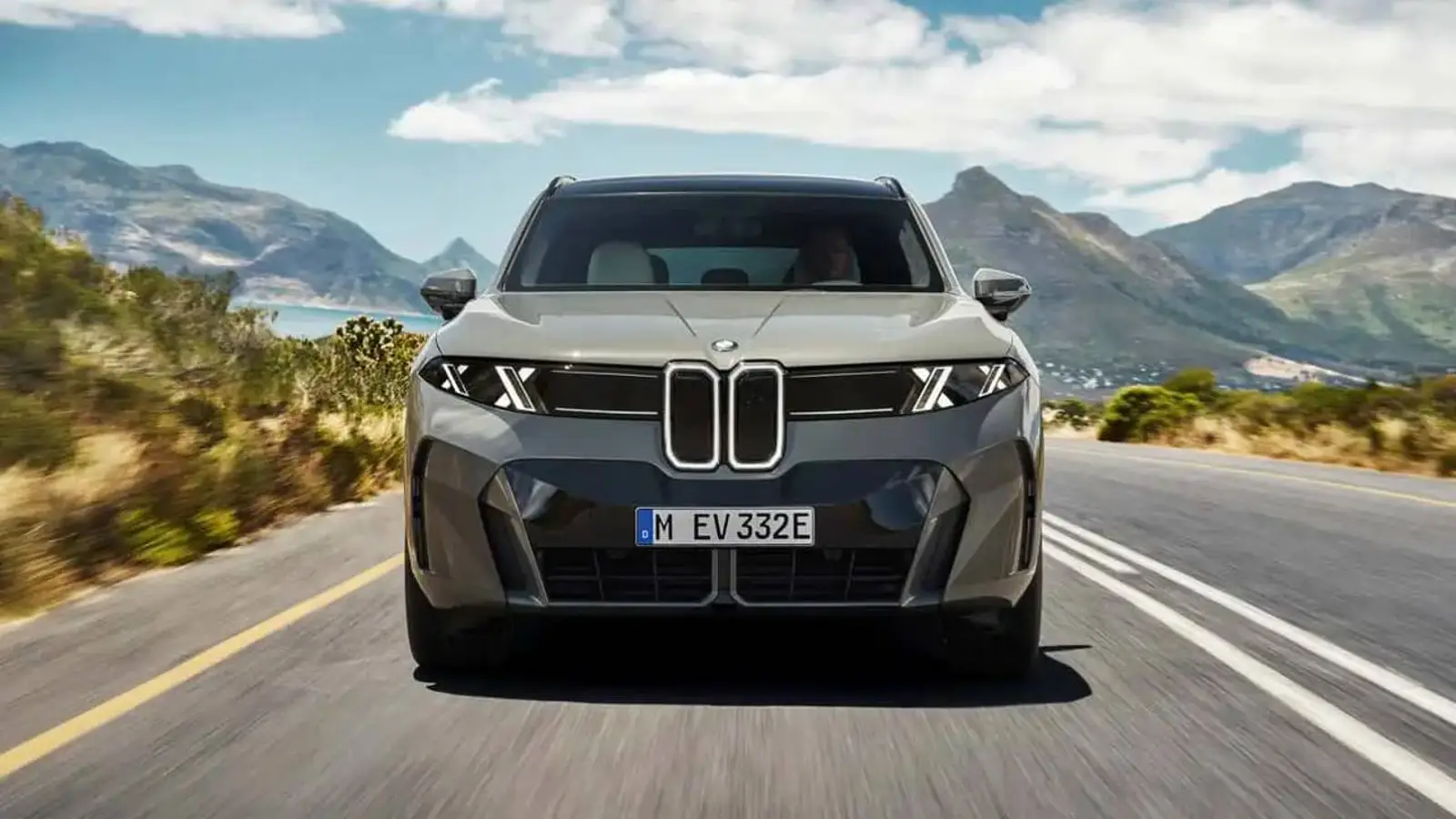 © press.bmwgroup.com
BMW now estimates 450 miles for the iX5 60 xDrive in the US, up from 435. Europe quotes up to 850 km under WLTP, a different test.
Author: Nikita Novikov
BMW has raised its US range estimate for the electric iX5 60 xDrive from 435 to 450 miles, or approximately 700 to 724 km. The gain is 15 miles, about 24 km, but the new figure is not yet an officially certified EPA result. BMW expects confirmation in the coming weeks.
BMW premium-model manager John Kelly shared the revised estimate with InsideEVs during the presentation of the new X5 family in California.
“This vehicle uses Gen6 technology, and its estimated EPA range reaches 450 miles — an impressive figure for a vehicle of this kind,” said the company representative.
There is another point of interest. BMW’s main German page quotes 724–850 km under WLTP for the same iX5 60 xDrive. This is not a contradiction: EPA and WLTP are different testing methods and their results cannot be directly compared. A separate German technical-data page still lists the older WLTP range of 645–845 km.
Published battery figures differ as well. The US specification lists 144 kWh of usable capacity, while a German technical table lists 141 kWh. BMW has not explained the difference, so it would be premature to treat it as proof of different battery hardware.
At the initial presentation, BMW quoted up to 845 km under WLTP for the electric X5. Its main German model page later raised the maximum to 850 km. The US estimate was also increased, but the figures relate to separate test cycles.
The technology includes an 800-volt Gen6 architecture, two electric motors, all-wheel drive and charging at up to 460 kW. BMW quotes a 10–80% charge in 22 minutes under suitable conditions for the US model; its German data sheet gives 23 minutes.
The electric iX5 joins petrol, diesel and plug-in hybrid versions of the new BMW X5 family, with a hydrogen model also planned. US sales are expected in the first quarter of 2027. Until EPA certification is completed, 450 miles remains BMW’s projection, not a certified rating.
This English edition was prepared using AI translation under editorial oversight by SpeedMe. The original reporting is by Nikita Novikov
Latest Stories