Pre-orders open in Brazil for 2026 Toyota Yaris Cross hybrid
Toyota opens pre-orders for the 2026 Yaris Cross hybrid in Brazil
Pre-orders open in Brazil for 2026 Toyota Yaris Cross hybrid
Toyota starts pre-orders in Brazil for the 2026 Yaris Cross hybrid: flex-fuel power, 17.9 km/l city, four trims, Toyota Safety Sense, priced from R$161,390.
2025-11-20T17:05:43+03:00
Toyota has opened pre-orders for the new 2026 Yaris Cross, a compact hybrid SUV built in São Paulo and positioned as a tech-forward alternative to the Honda WR-V. The first run is capped at 8,500 units, with reservation-period pricing from R$ 161,390 to R$ 189,990. The model launches in four trims, including two hybrid variants.The centerpiece is a fourth-generation flex hybrid that can run on ethanol and gasoline. In the hybrid versions, combined output reaches 111 hp, while efficiency is rated at 17.9 km/l in the city and 15.3 km/l on the highway—figures that make the Yaris Cross the most economical compact SUV in the country. Gasoline models use a 1.5-liter engine with 122 hp paired to a Multidrive CVT.The cabin makes a strong first impression: materials feel a step above the WR-V, with soft-touch panels, neat stitching, and, in higher trims, a panoramic roof that adds an upscale touch. For its segment, the footprint is generous—length of 4.31 m and a 2.62 m wheelbase—so space is good, seating is comfortable, and visibility inspires confidence.Equipment is comprehensive: the 10-inch Toyota Play infotainment system with wireless smartphone integration, a digital instrument cluster, climate control, a key card, and inductive charging. On the safety front, the full Toyota Safety Sense suite brings adaptive cruise control, lane keeping, and automatic emergency braking.The Yaris Cross isn’t chasing the lowest price tag; instead, it zeroes in on what buyers in Brazil value most today—fuel efficiency, reliability, and strong residuals. The overall package looks well judged for the market and could emerge as one of the standout choices in its class in 2026.
Toyota Yaris Cross 2026, hybrid SUV, flex-fuel, ethanol gasoline, Brazil pre-orders, price R$161,390-R$189,990, compact SUV, Toyota Safety Sense, 17.9 km/l, Multidrive CVT, Honda WR-V competitor
2025
Michael Powers
news
Toyota opens pre-orders for the 2026 Yaris Cross hybrid in Brazil
Toyota starts pre-orders in Brazil for the 2026 Yaris Cross hybrid: flex-fuel power, 17.9 km/l city, four trims, Toyota Safety Sense, priced from R$161,390.
Michael Powers, Editor
Toyota has opened pre-orders for the new 2026 Yaris Cross, a compact hybrid SUV built in São Paulo and positioned as a tech-forward alternative to the Honda WR-V. The first run is capped at 8,500 units, with reservation-period pricing from R$ 161,390 to R$ 189,990. The model launches in four trims, including two hybrid variants.
The centerpiece is a fourth-generation flex hybrid that can run on ethanol and gasoline. In the hybrid versions, combined output reaches 111 hp, while efficiency is rated at 17.9 km/l in the city and 15.3 km/l on the highway—figures that make the Yaris Cross the most economical compact SUV in the country. Gasoline models use a 1.5-liter engine with 122 hp paired to a Multidrive CVT.

The cabin makes a strong first impression: materials feel a step above the WR-V, with soft-touch panels, neat stitching, and, in higher trims, a panoramic roof that adds an upscale touch. For its segment, the footprint is generous—length of 4.31 m and a 2.62 m wheelbase—so space is good, seating is comfortable, and visibility inspires confidence.
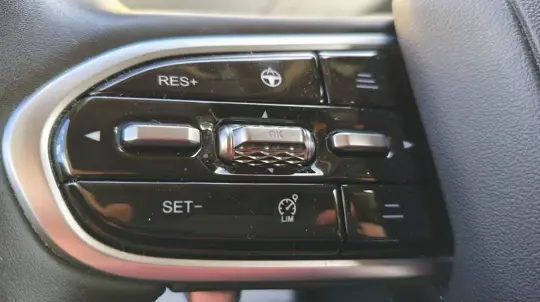
Equipment is comprehensive: the 10-inch Toyota Play infotainment system with wireless smartphone integration, a digital instrument cluster, climate control, a key card, and inductive charging. On the safety front, the full Toyota Safety Sense suite brings adaptive cruise control, lane keeping, and automatic emergency braking.
The Yaris Cross isn’t chasing the lowest price tag; instead, it zeroes in on what buyers in Brazil value most today—fuel efficiency, reliability, and strong residuals. The overall package looks well judged for the market and could emerge as one of the standout choices in its class in 2026.