How EV battery preconditioning boosts winter range and charging
 © A. Krivonosov для SPEEDME.RU
Learn how EV preconditioning warms or cools the battery to ideal temperature, improving winter range, speeding fast charging and reducing wear. Tips to use it.
Author: Yulia Ivanchik
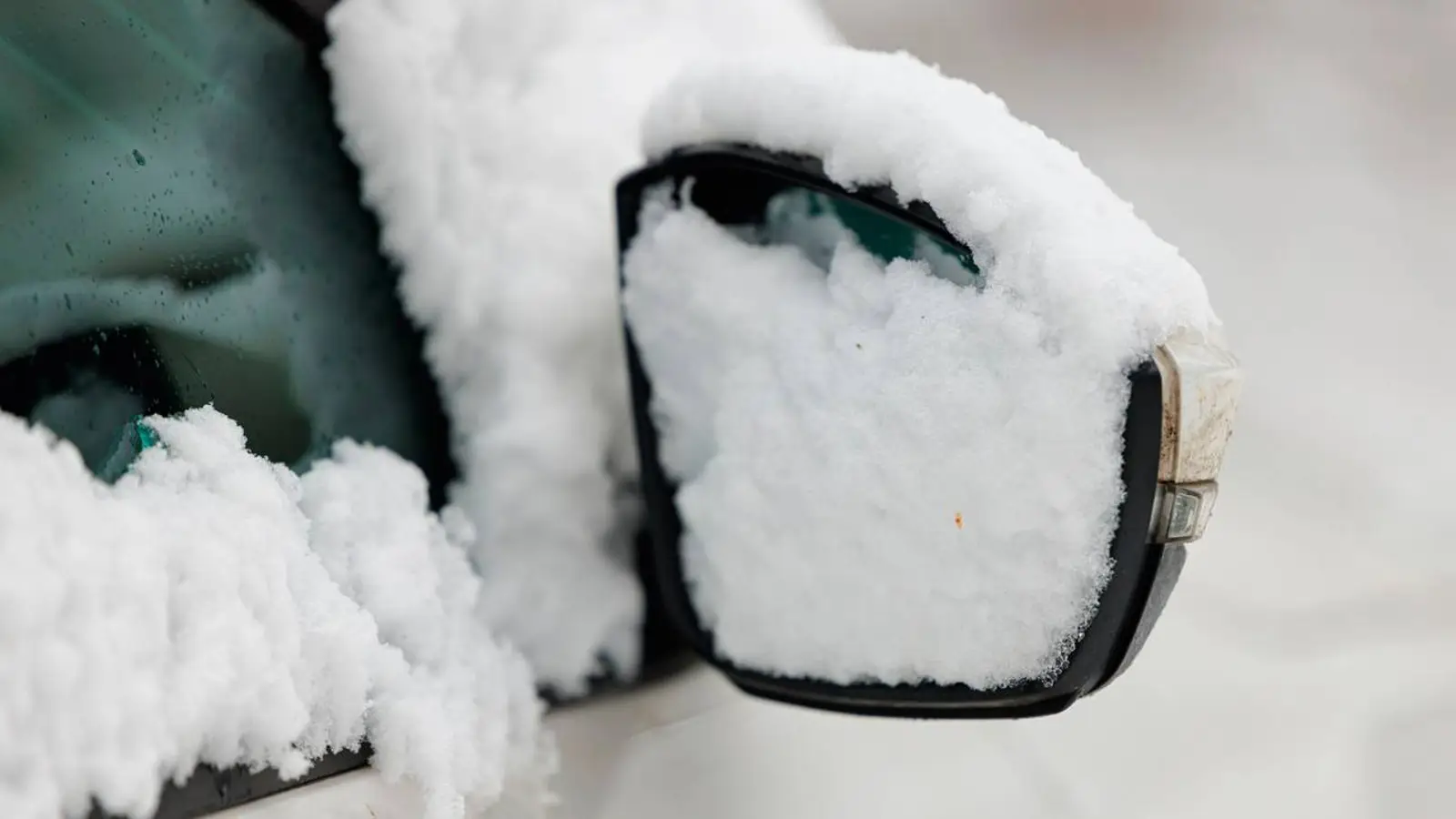
In winter, electric car owners often see their driving range shrink noticeably. Studies indicate that in cold weather it can drop by as much as 33 percent. The reason is straightforward: traction batteries are sensitive to temperature and work best at roughly 15 to 35 degrees Celsius.
To counter this, automakers have built in preconditioning. It is meant not only to warm the cabin but, more importantly, to bring the battery to its ideal operating temperature. In low temperatures, warming helps raise battery efficiency; in hot climates the system does the opposite, cooling the pack to keep performance stable. On the road, that translates into a car that behaves more predictably whatever the weather.
Most modern EVs run preconditioning automatically via their thermal management systems, while some models let drivers trigger it through a mobile app. Manufacturers advise using the feature while the car is plugged in so the energy comes from the grid rather than the battery itself. That is especially useful before heading out or ahead of a fast charge, since a cold battery accepts charge more slowly.
In short, preconditioning can increase real-world range, shorten charging times and ease battery wear. For anyone weighing a winter-ready car—particularly an EV—this is a function worth paying attention to, a small step that quietly pays dividends in daily use.
This English edition was prepared using AI translation under editorial oversight by SpeedMe. The original reporting is by Yulia Ivanchik
Latest Stories